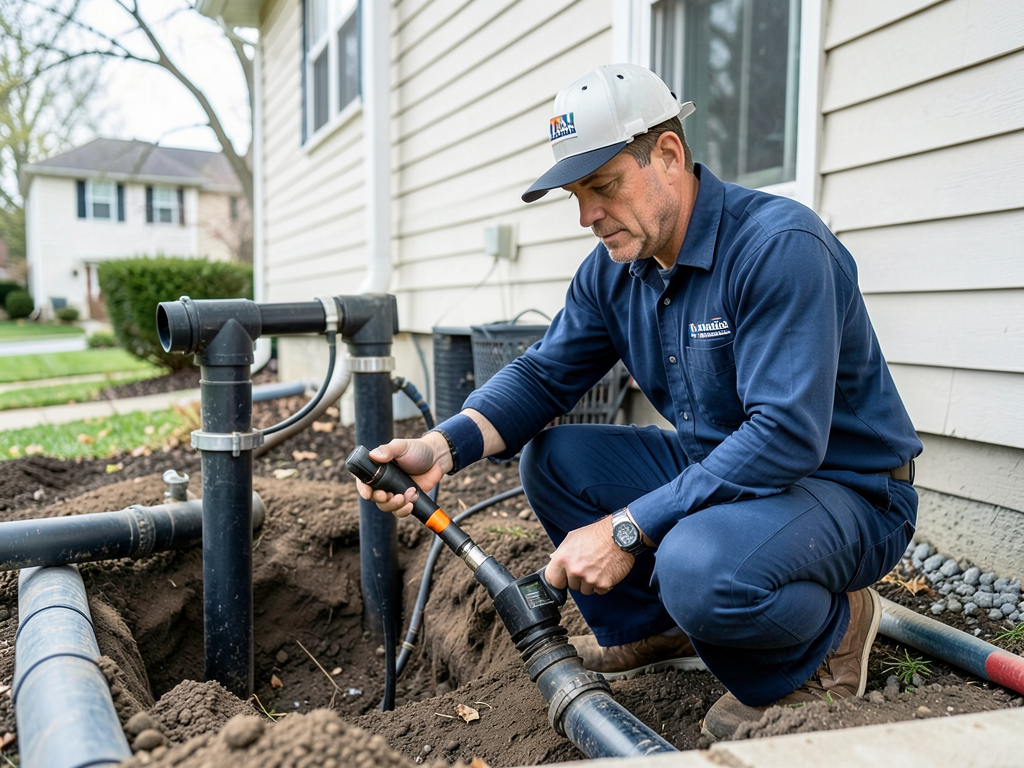








Seattle's water comes from the Cedar River and Tolt River watersheds, creating some of the nation's softest municipal water. While this reduces mineral buildup in fixtures and appliances, soft water accelerates corrosion in older galvanized pipes and can leach lead from pre-1986 solder joints. The pH balance and low mineral content require different maintenance strategies than hard water regions. Professional plumbers who understand this chemistry recommend appropriate pipe materials and replacement timelines based on actual water analysis, not generic national standards. Properties built before 1950 in neighborhoods like Fremont, Wallingford, and the University District need proactive inspection because soft water deteriorates iron pipes from the inside where you cannot see damage until pressure drops or discoloration appears.
Seattle's position in a seismic zone requires specific installation standards for gas lines, water heaters, and main water services. Local plumbers stay current with city amendments to the Uniform Plumbing Code that exceed state minimums for earthquake safety. We understand permit requirements across Seattle's various microclimates and jurisdictions, from the industrial areas of Georgetown to residential hilltop communities in West Seattle. Plumbing contractors who work exclusively in this region develop relationships with city inspectors, know which projects trigger permit requirements, and schedule inspections without delays. This local knowledge prevents compliance issues that create liability for property owners and ensures work meets current safety standards for our specific geological conditions.