




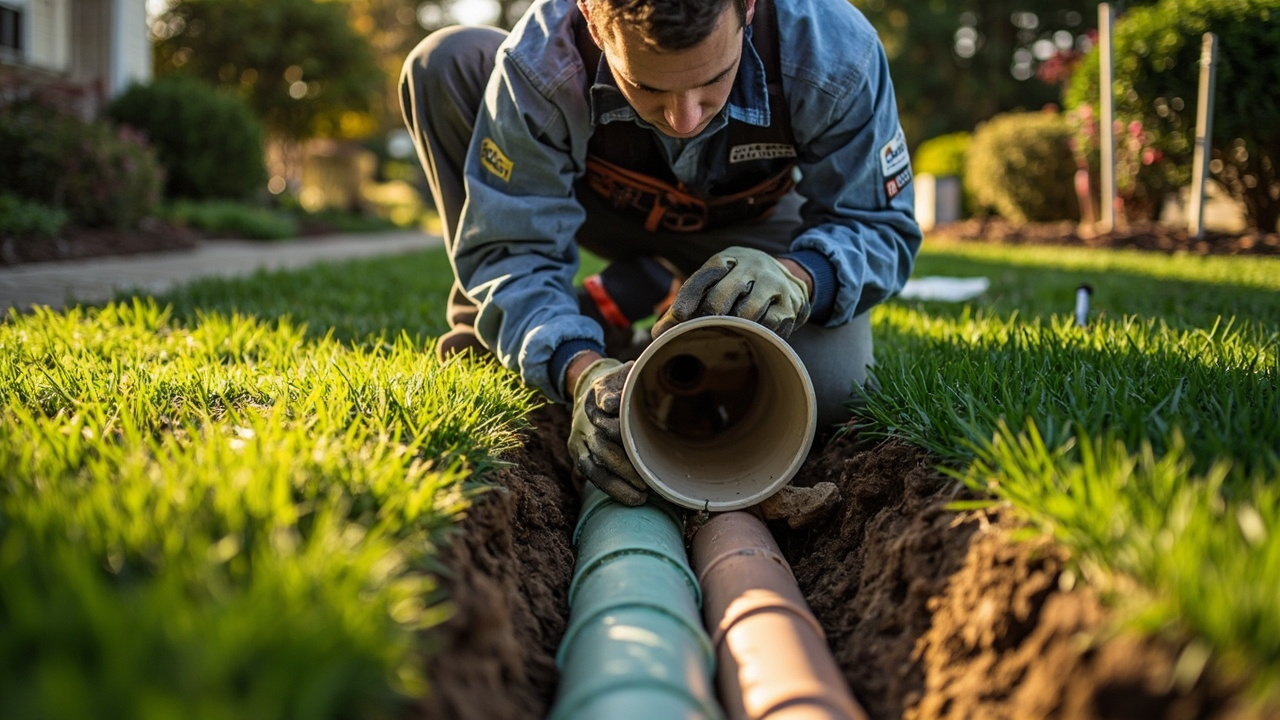
Seattle's wet-dry seasonal cycle creates particularly harsh conditions for underground sewer infrastructure. Winter rains saturate the region's clay-heavy soils, causing them to expand and press against buried pipes. Summer drought causes soil contraction and subsidence that pulls pipes downward at joints. This annual expansion-contraction cycle gradually separates pipe sections, creating offset joints where waste catches and roots penetrate. Properties built on fill soil in areas like South Lake Union and the Duwamish corridor experience more pronounced settling because fill material compacts unevenly over time. The Puget Sound region's seismic activity adds stress through ground shaking that older rigid pipe materials cannot tolerate without cracking.
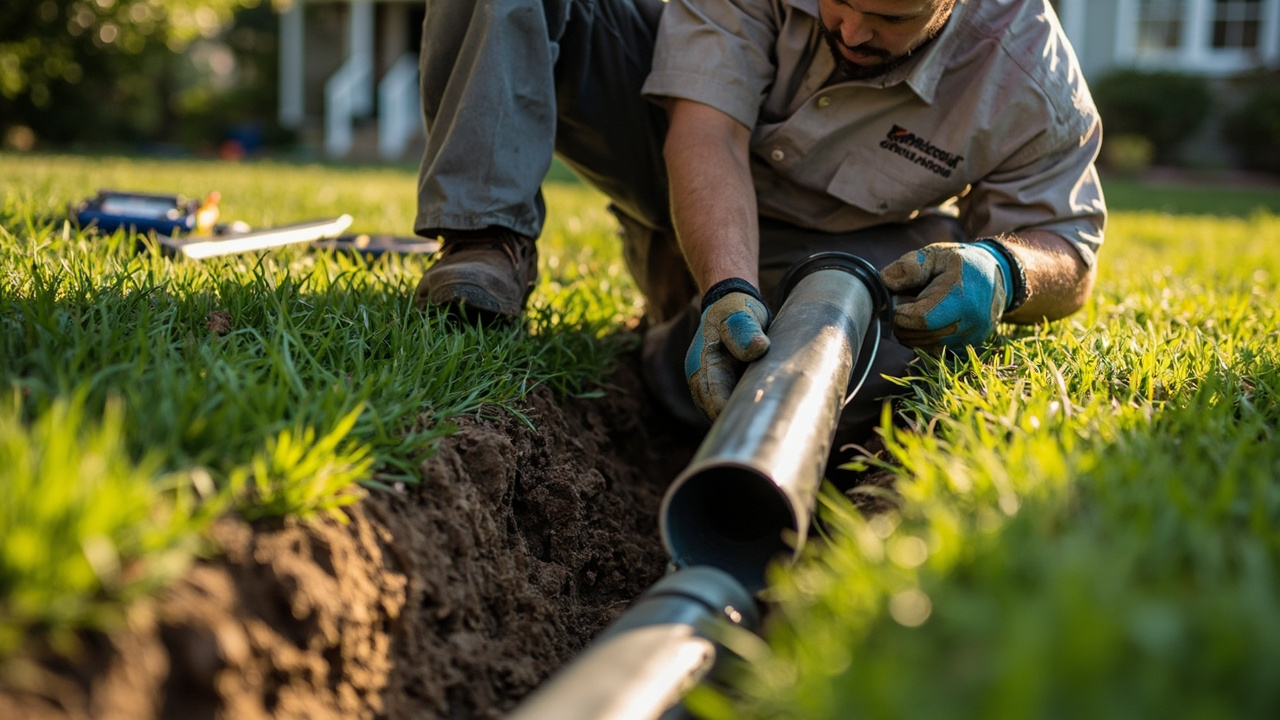
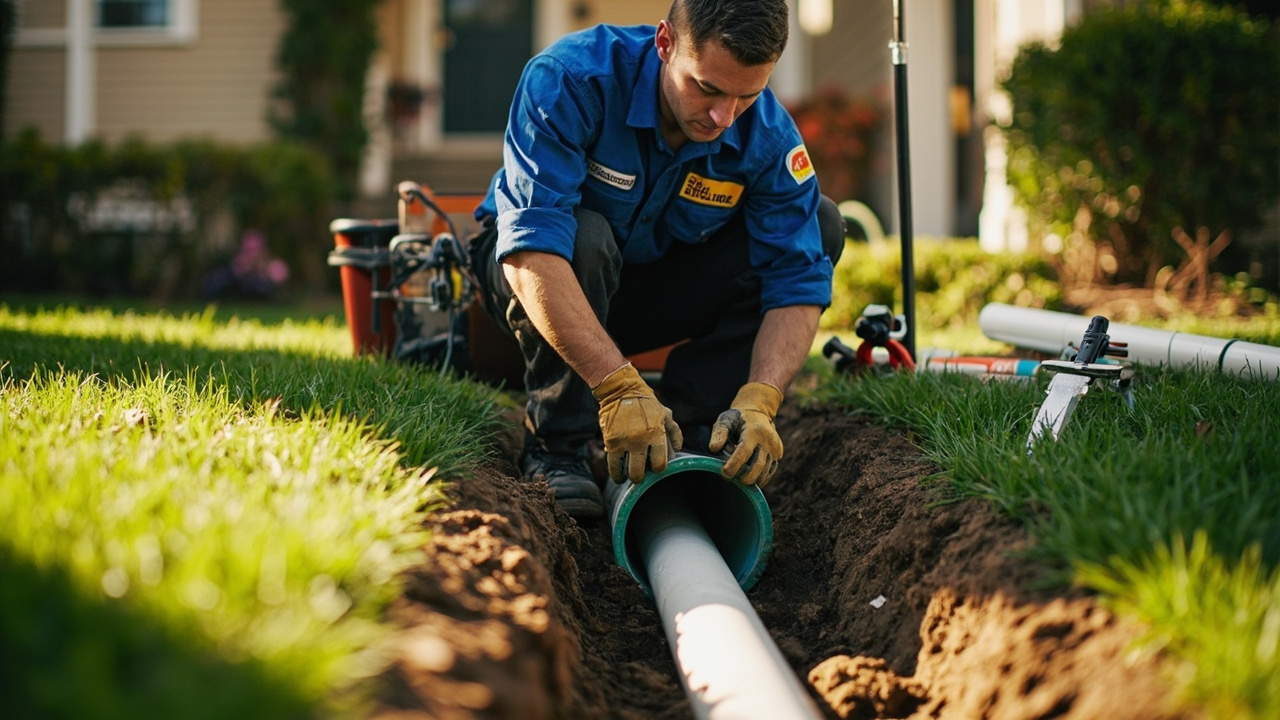
Seattle Public Utilities maintains specific requirements for sewer lateral repairs that differ from surrounding jurisdictions. The city requires permits for most sewer work and mandates side sewer replacement when properties undergo substantial renovation or change ownership. Working with a plumbing contractor who understands Seattle's permitting process and maintains good standing with city inspectors prevents project delays. Local expertise also matters when coordinating with other utilities. Seattle's dense underground utility corridors often place sewer lines near water mains, gas lines, and electrical conduits. We maintain relationships with other utility providers to coordinate locates and clearances, protecting existing infrastructure during sewer excavation.