





menu

Faucet & Sink Repair in Seattle – Fast Fixes for Every Fixture in Your Home

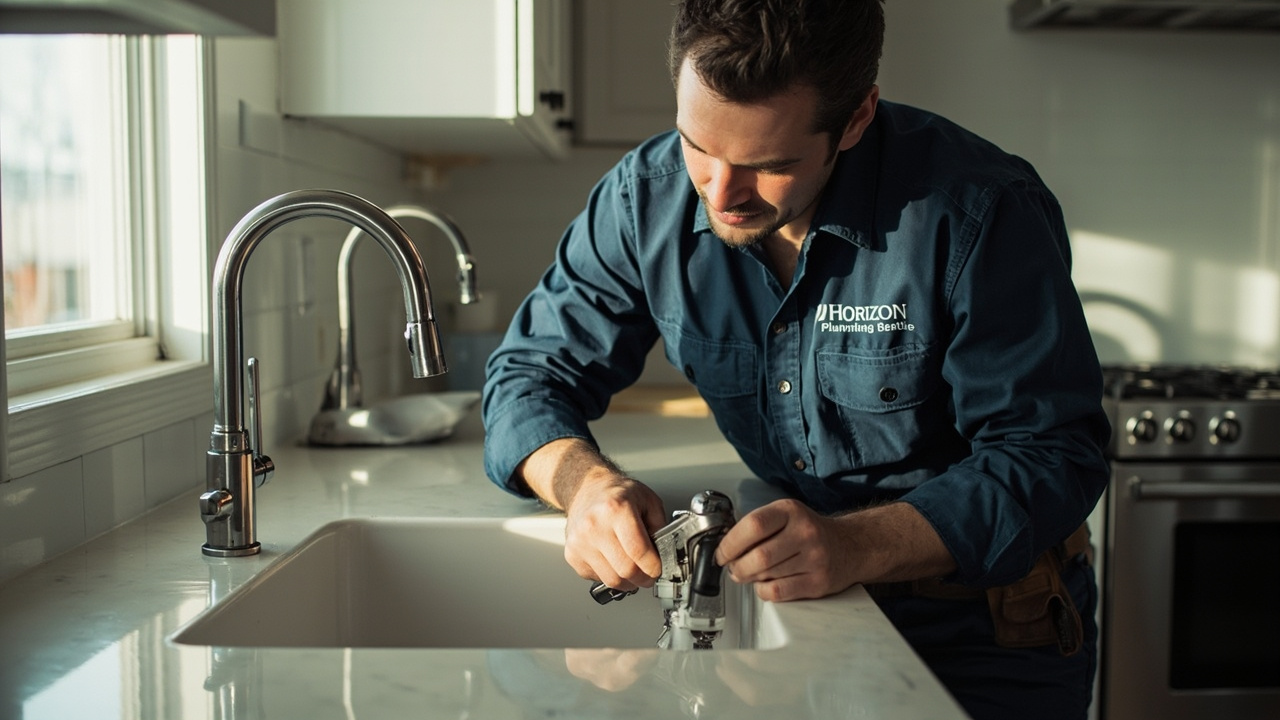
From fixing leaky faucets to complete kitchen sink repair and bathroom faucet repair, we diagnose the real problem fast and restore full water control to your Seattle home or business.

Slider Image 1
Slider Image 2
Slider Image 3
Slider Image 4
Slider Image 5
Slider Image 7
Slider Image 8
Slider Image 9
Slider Image 10
Slider Image 11

Why Seattle Faucets and Sinks Fail Faster Than You Think

Seattle's soft water might feel gentle on your skin, but it hides a problem. The Puget Sound region's naturally soft water lacks the mineral buffer that protects internal faucet components from corrosion. Over time, this accelerates wear on cartridge seals, O-rings, and valve seats. You see it as a slow drip from a kitchen faucet or a bathroom tap that won't shut off completely.

Add in the age of Seattle's housing stock, where many homes in neighborhoods like Ballard, Queen Anne, and Capitol Hill still have original fixtures from the 1950s through 1980s, and you have a recipe for frequent sink fixture repair needs. Older compression faucets wear out faster. Newer single-handle cartridge faucets can fail when sediment from aging supply lines clogs the aerator or cartridge itself.

When you ignore a leaky faucet, you waste thousands of gallons per year. You also risk water damage to cabinetry, countertops, and subfloors. A slow drip under a sink can saturate particle board and create mold growth in the enclosed space. Fixing leaky faucets is not cosmetic. It protects your property and cuts water bills.

Broken tap repair often reveals a deeper issue. A faucet that leaks at the base when you turn it on usually means a failed O-ring or loose packing nut. A faucet that drips from the spout after you shut it off points to a worn cartridge or valve seat. Kitchen sink repair might also involve a failing spray hose, a clogged diverter, or a compromised mounting system. Each symptom has a specific mechanical cause.

Why Seattle Faucets and Sinks Fail Faster Than You Think
How We Diagnose and Fix Faucet and Sink Problems

How We Diagnose and Fix Faucet and Sink Problems

We do not guess. We test water pressure at the fixture, inspect supply line condition, and disassemble the faucet to examine internal components. Most faucet failures come down to worn cartridges, damaged seats, failed O-rings, or loose mounting hardware. We identify the exact failure point before we recommend a repair or replacement.

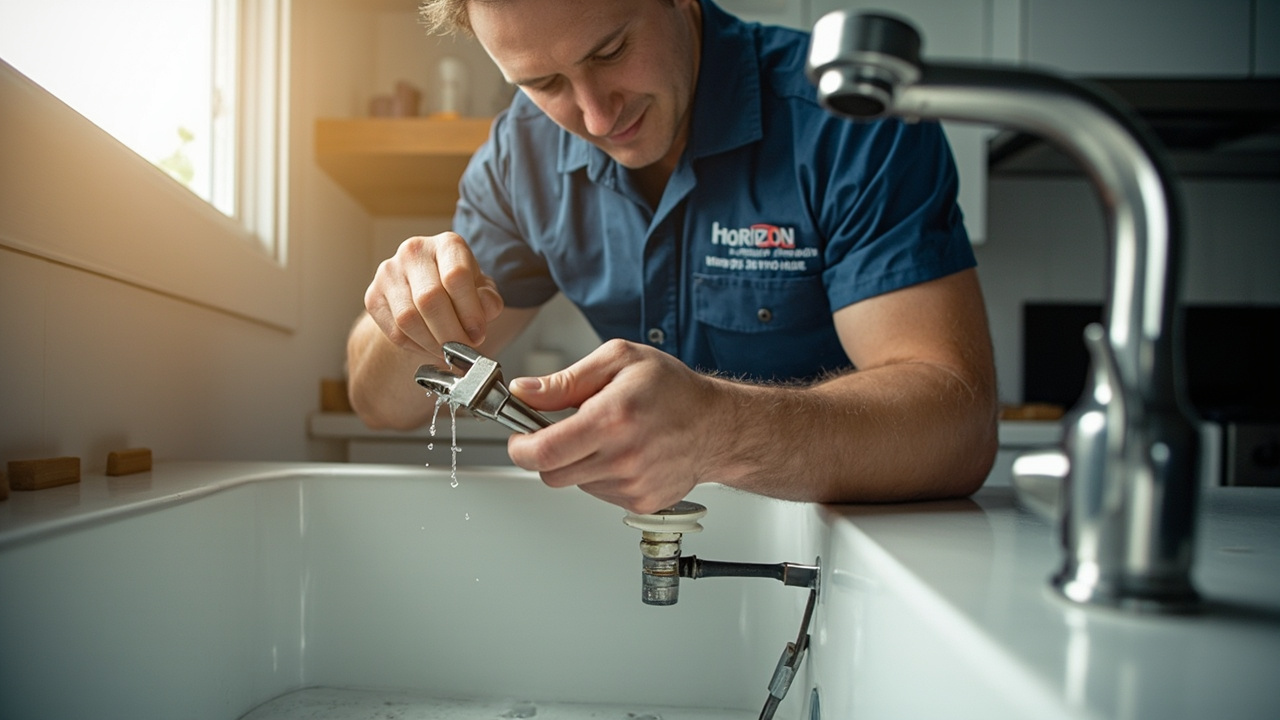
For bathroom faucet repair, we check the pop-up assembly, the lift rod, and the drain stopper mechanism. Many leaks that appear to come from the faucet actually originate at the drain connection or the P-trap. We verify the source before we start work.

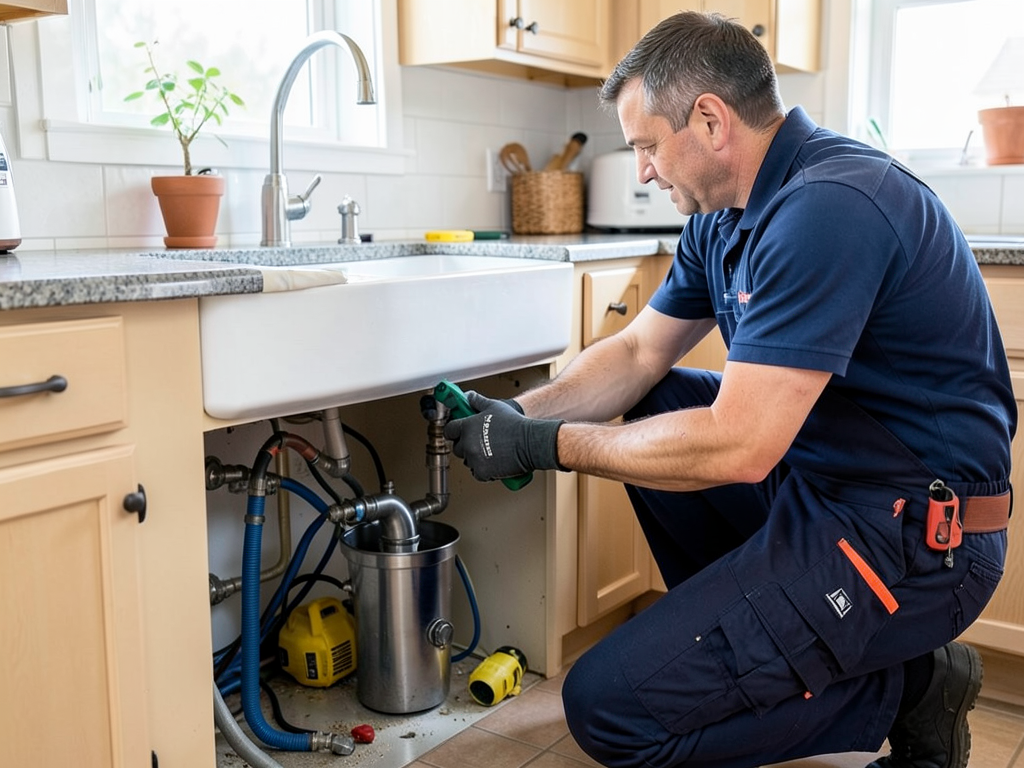
Kitchen sink repair often involves multiple fixture points. A sink with a spray hose requires inspection of the diverter valve, the hose itself, and the quick-connect fittings. A failing diverter sends water pressure to the wrong outlet, causing weak flow or leaks at the base of the spout. We test each component under pressure.

When we find a faulty cartridge, we match it to the manufacturer and model. Cartridge types vary widely between brands like Moen, Delta, Kohler, and Pfister. Using the wrong cartridge leads to repeat failures. We carry common cartridge types on our trucks and source exact matches for less common models.

We also evaluate whether repair makes sense or whether replacement is the smarter choice. A 30-year-old faucet with a corroded valve body and a discontinued cartridge is not worth rebuilding. A five-year-old single-handle faucet with a worn cartridge is. We give you the cost comparison and let you decide. We never upsell replacements when a $40 cartridge solves the problem.

What Happens When You Call for Faucet or Sink Repair

Faucet & Sink Repair in Seattle – Fast Fixes for Every Fixture in Your Home
01

Initial Inspection and Testing

We start by running the faucet through all positions to observe flow rate, temperature control, and leak points. We check under the sink for active leaks at supply lines, shutoff valves, and drain connections. We measure static and dynamic water pressure to rule out supply-side issues. This takes less than ten minutes but tells us whether the problem is mechanical, pressure-related, or due to a failed component.
02

Disassembly and Component Evaluation

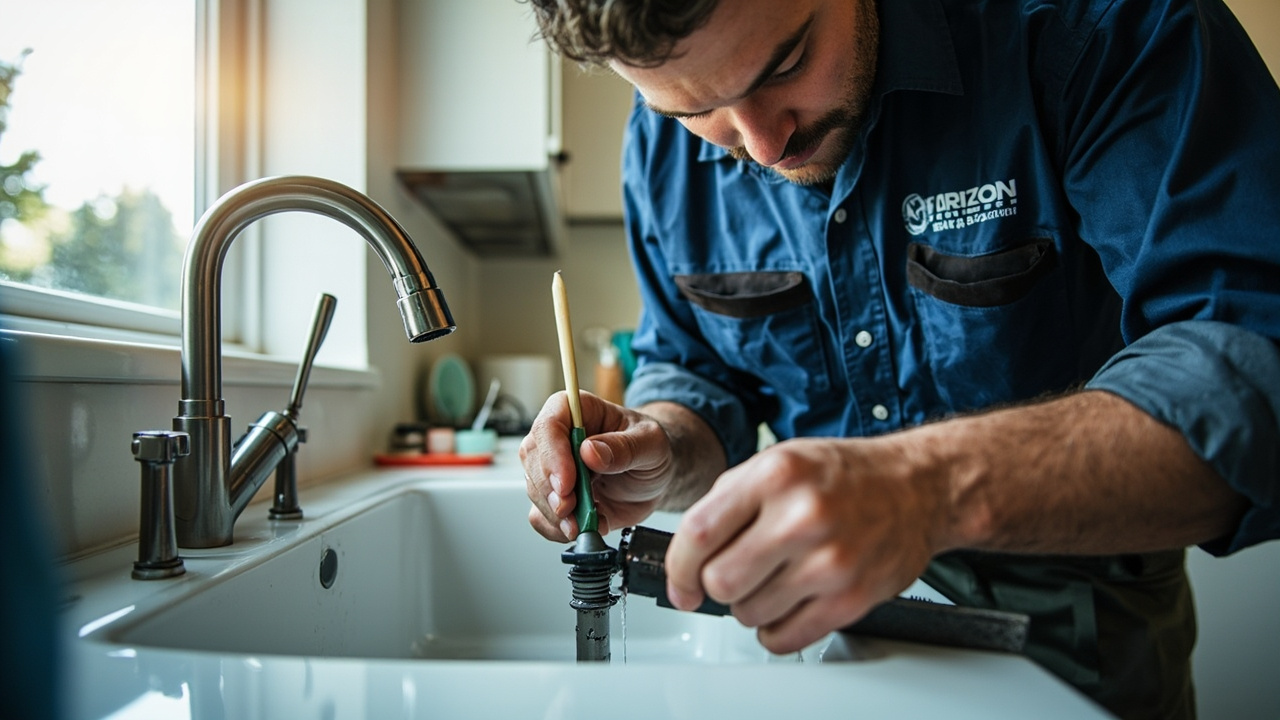
We shut off water at the fixture shutoff valves or the main line if needed. We remove the handle, escutcheon, and bonnet to access the cartridge or valve assembly. We inspect the cartridge for cracks, mineral buildup, or worn seals. We check the valve seat for pitting or corrosion. We examine O-rings for compression damage. We clean debris from the aerator and screen. This diagnostic phase confirms the exact failure point and determines whether repair or replacement is the right path.
03

Repair or Replacement

If repair is viable, we install a new cartridge, O-rings, and aerator. We reassemble the faucet, restore water supply, and test for leaks under full pressure. We verify temperature control and check that handles move smoothly. If replacement is necessary, we remove the old fixture, install the new one with fresh supply lines and mounting hardware, and test the installation. We clean up completely and show you how the repair holds under normal use.

Why Seattle Homeowners Choose Horizon Plumbing Seattle for Fixture Repairs

You need someone who knows the difference between a compression faucet and a ceramic disc valve. We do. We have worked on thousands of faucets across Seattle, from vintage fixtures in Craftsman homes in Fremont to modern single-handle faucets in new construction in South Lake Union. We understand how Seattle's water chemistry affects different materials and how aging supply lines in older homes contribute to fixture failures.

We also know the local quirks. Many Seattle homes built before the 1980s have galvanized steel supply lines that corrode from the inside. When you call for a leaky faucet, we check the condition of those lines and recommend replacement if they are near failure. A new faucet cartridge will not stop a leak if the supply line is compromised.

We carry parts for major brands on our service trucks. That means we complete most repairs in a single visit. If we need a specialty cartridge or a discontinued part, we source it quickly and return to finish the job. We do not leave you without water for days while we wait on parts.

We also respect your time. We arrive within the scheduled window, not four hours late. We explain what we find in plain terms, not jargon designed to confuse you into approving unnecessary work. We give you a fixed price before we start. No surprises on the invoice.

Seattle's plumbing code requires specific backflow prevention and supply line standards. We follow those codes on every installation. We also pull permits when required for fixture replacements that involve structural changes or new supply routing. Most simple faucet repairs do not require permits, but if yours does, we handle it.

What to Expect When You Schedule a Faucet or Sink Repair

Same-Day and Next-Day Availability

We offer same-day appointments for urgent issues like a faucet that will not shut off or a sink that is actively leaking under the cabinet. For non-urgent repairs, we schedule you within 24 to 48 hours. Most repairs take 30 minutes to 90 minutes depending on the complexity of the fixture and whether we are repairing or replacing. We give you a two-hour arrival window and call 30 minutes before we arrive. You are not stuck waiting all day.

Transparent Diagnosis and Pricing

We charge a diagnostic fee that covers the service call and the inspection. If you approve the repair, we apply that fee toward the work. We give you a written estimate before we start. The estimate includes labor, parts, and any additional work like replacing corroded supply lines or upgrading shutoff valves. You decide whether to proceed. If you decline, you pay only the diagnostic fee. No pressure, no games. We want you to understand exactly what is wrong and what it costs to fix it.

Quality Parts and Proper Installation

We use OEM cartridges and manufacturer-spec O-rings whenever possible. Aftermarket parts fail faster. We also replace aerators and supply line washers as part of the repair to prevent future leaks. When we install a new faucet, we use braided stainless steel supply lines, not cheap plastic. We tighten mounting nuts to the correct torque spec to prevent leaks without cracking the fixture. We test everything under full pressure before we leave. Your faucet should work like new and stay that way.

Follow-Up Support and Maintenance Advice

We stand behind our work. If a repair fails within 90 days due to a defective part or installation error, we come back and fix it at no charge. We also give you maintenance advice to extend the life of your faucet. Clean aerators every six months. Replace supply lines every ten years. Avoid using harsh chemical cleaners that corrode fixture finishes. If you have older fixtures in other bathrooms or the kitchen, we can inspect them during the same visit and recommend preventive repairs before they fail.

Frequently Asked Questions

You Have Questions,
We Have Answers

How much do plumbers charge to fix a faucet? +

Most Seattle plumbers charge between $150 and $300 to fix a faucet, depending on the issue. A simple washer replacement costs less than a full cartridge swap or valve body work. Trip fees typically run $75 to $100 in the greater Seattle metro. The final price depends on the faucet type, access difficulty, and whether parts need ordering. Older homes in neighborhoods like Capitol Hill or Queen Anne often have corroded supply lines that add time. Get a quote before work starts. Emergency calls outside business hours cost more, but a dripping faucet rarely qualifies as urgent.

How can I get my faucet to stop dripping? +

A dripping faucet usually means a worn washer, damaged O-ring, or faulty cartridge. Turn off the water supply under the sink. Remove the handle by loosening the setscrew, then pull the cartridge or stem. Inspect the rubber washer or O-ring for cracks or wear. Replace it with an exact match from a hardware store. Reassemble and test. If the drip continues, the valve seat may be corroded or the cartridge itself is shot. Seattle's mineral-heavy water accelerates wear, so replacing parts every few years is common. If you are unsure, call a plumber to avoid cracking the valve body.

How do I know if my faucet cartridge needs replacing? +

If your faucet drips constantly even when off, or the handle feels loose and wobbly, the cartridge is failing. Reduced water pressure or uneven temperature control also signal cartridge wear. Pull the handle and inspect the cartridge for cracks, mineral buildup, or stripped plastic teeth. Seattle's hard water clogs cartridges faster than soft water areas. If the cartridge looks discolored or the seals are brittle, replace it. Match the brand and model number exactly. Moen, Delta, and Kohler use different cartridge designs. A mismatched cartridge will leak immediately.

What does spraying WD-40 in a faucet do? +

Spraying WD-40 in a faucet can loosen mineral deposits and free a stuck cartridge or handle, but it is not a permanent fix. WD-40 displaces water and lubricates moving parts temporarily. It does not repair worn washers or cracked cartridges. In Seattle, where hard water leaves calcium and lime buildup, WD-40 can help during disassembly. Never use it on rubber seals, as it degrades them over time. Use plumber's grease instead. WD-40 is a diagnostic tool, not a solution. If the faucet still drips after cleaning, you need new parts.

How much does Home Depot charge to replace a faucet? +

Home Depot charges $119 to $359 for faucet installation, depending on the fixture type and whether you buy it through them. This does not include removal of the old faucet or fixing supply line issues. The service is subcontracted to local plumbers who may charge extra for complications like corroded shutoff valves or non-standard sink holes. In Seattle, older homes often require adapters or new supply lines, which add cost. The quote assumes straightforward access. If you have a wall-mount faucet or need drywall repair, expect higher fees. Ask for a detailed estimate before scheduling.

What is the average lifespan of a faucet? +

A quality faucet lasts 15 to 20 years with regular maintenance. Cheaper fixtures fail in 5 to 10 years. Seattle's hard water shortens lifespan by corroding internal parts and clogging aerators. Cartridge faucets outlast compression faucets because they have fewer moving parts. Finishes like chrome and brushed nickel hold up better than oil-rubbed bronze in humid Pacific Northwest bathrooms. If your faucet drips constantly, leaks at the base, or shows corrosion, replace it. Repair costs often match replacement costs on older units. Regular cleaning and aerator changes extend life.

What is the most common cause of a dripping faucet? +

A worn-out washer or O-ring is the most common cause of a dripping faucet. These rubber seals compress every time you turn the faucet on and off. Over time, they crack or flatten. Water seeps past and drips from the spout. Compression faucets use washers. Cartridge and ceramic disc faucets use O-rings. Seattle's mineral-heavy water accelerates wear by leaving deposits that grind against seals. Replacing a washer costs a few dollars and takes 20 minutes. If the drip continues after replacement, the valve seat is corroded and needs resurfacing or replacement.

Is a dripping faucet a plumbing emergency? +

A dripping faucet is not a plumbing emergency unless it floods the cabinet or drips excessively. A slow drip wastes water and raises your Seattle Public Utilities bill, but it will not cause immediate damage. You can shut off the water supply under the sink and address it during business hours. If the faucet sprays uncontrollably or water pools under the sink, that is urgent. Emergency plumbers charge double or triple for after-hours calls. A steady drip can wait until morning. If you see water staining or mold, call sooner to prevent cabinet rot.

How to remove a bathroom faucet handle with no visible screws? +

Many bathroom faucet handles hide screws under decorative caps or buttons. Pry off the cap with a flathead screwdriver or butter knife. The setscrew sits underneath. Use a hex wrench to loosen it. Some handles, like those on older Delta and Moen models, use a threaded collar instead. Twist the handle counterclockwise while holding the spout steady. If the handle still will not budge, calcium buildup from Seattle's hard water may be bonding it. Apply white vinegar for 15 minutes, then try again. Do not force it or you will crack the handle.

Can I replace a faucet cartridge myself? +

You can replace a faucet cartridge yourself if you have basic tools and the correct replacement part. Turn off the water supply, remove the handle, and pull the cartridge straight out with pliers. Match the brand and model number exactly. Moen, Delta, and Kohler cartridges are not interchangeable. Seattle's hard water can seize cartridges in place, requiring penetrating oil and patience. If you strip the retaining clip or crack the valve body, repair costs jump. If the faucet is over 15 years old or you lack confidence, hire a plumber to avoid expensive mistakes.

How Seattle's Soft Water Accelerates Faucet Wear and Sink Corrosion

Seattle's water supply comes from the Cedar River and South Fork Tolt River watersheds. Both sources produce naturally soft water with low mineral content. While this prevents limescale buildup common in hard water areas, it also creates a corrosive environment for brass and copper components inside faucets. Soft water lacks the calcium carbonate that forms a protective layer inside pipes and fixtures. Over time, this leads to pinhole leaks in cartridge bodies, corroded valve seats, and failed O-rings. Homes in North Seattle, Wallingford, and the University District see higher rates of faucet failure due to this chemistry.

Horizon Plumbing Seattle has worked on thousands of fixtures across King County. We understand how Seattle's water chemistry interacts with different faucet materials. We know which cartridge brands hold up better in soft water and which fail early. We also know that many older Seattle homes have original galvanized supply lines that contribute to sediment buildup and fixture clogs. When we repair your faucet, we evaluate the entire supply system to prevent repeat failures. Local knowledge matters when you are troubleshooting a persistent drip or a faucet that loses pressure.
Plumbing Services in The Seattle Area

Horizon Plumbing Seattle proudly serves the entire Seattle metropolitan area and surrounding communities. We invite users to view our service area map to confirm that your home or business falls within our coverage zone, ensuring we can deliver fast, reliable service right to your doorstep. Our professional team is strategically located to offer prompt dispatch, whether you're in the heart of downtown or the outlying neighborhoods. Call us to confirm coverage and schedule your expert plumbing appointment today; we look forward to serving you with confidence and a warm welcome.

Address:
Horizon Plumbing Seattle, 1515 Dexter Ave N, Seattle, WA, 98109

Additional Services We Offer

Our news updates

Latest Articles & News from The Blogs

Is Your Garbage Disposal Safe for the Septic System at Your Rural King County Property? If you live in a…

Is Your Garbage Disposal Safe for the Septic System at Your Rural King County Property?

Is Your Garbage Disposal Safe for the Septic System at Your Rural King County Property? If you live in a…

Why You Should Consider a Pressure Reducing Valve for Your Phinney Ridge Home

Why You Should Consider a Pressure Reducing Valve for Your Phinney Ridge Home Living in Phinney Ridge means dealing with…

The Real Difference Between a Main Line Clog and a Simple Sink Drain Issue

The Real Difference Between a Main Line Clog and a Simple Sink Drain Issue \n\n Water backing up in your…

Contact Us

Call (564) 220-5552 to schedule your faucet or sink repair. We offer same-day appointments for urgent issues and transparent pricing before we start work. You get fast, reliable repairs from a team that knows Seattle plumbing inside and out.