




menu

Commercial Repiping Services in Seattle – Minimize Downtime and Keep Your Operations Running

Horizon Plumbing Seattle delivers fast-track commercial building repiping with precision project management, off-hours installation, and full compliance with Seattle's strict commercial plumbing codes to protect your business continuity.

Slider Image 1
Slider Image 2
Slider Image 3
Slider Image 4
Slider Image 5
Slider Image 7
Slider Image 8
Slider Image 9
Slider Image 10
Slider Image 11

Why Seattle Commercial Buildings Face Accelerated Pipe Failure

Seattle's water chemistry creates unique challenges for commercial plumbing infrastructure. The combination of naturally acidic water with a pH often below 7.0 and moderate mineral content accelerates corrosion in galvanized steel and copper piping. Commercial buildings in the downtown core and industrial zones near Elliott Bay face additional stress from ground settlement and seismic activity that can stress pipe joints and connections.

Multi-story commercial structures in Seattle's business districts experience differential pressure issues that older piping systems cannot handle efficiently. When you factor in the city's aggressive commercial development cycle and aging infrastructure built between the 1960s and 1980s, you have a recipe for systematic pipe failure.

Commercial pipe replacement becomes necessary when you notice pressure drops across multiple floors, discolored water affecting production processes, or recurring pinhole leaks that disrupt operations. Industrial repiping services address the root cause rather than chasing individual failures. A single pipe failure in a commercial kitchen, medical facility, or manufacturing space can cascade into thousands in lost revenue per hour.

Seattle's commercial building codes require specific materials and installation methods that differ significantly from residential applications. The Seattle Department of Construction and Inspections mandates backflow prevention, seismic bracing, and accessibility compliance that affect every commercial plumbing repipe project. Business pipe replacement is not a residential job scaled up. It requires different materials, different staging, and different coordination with building operations.

Why Seattle Commercial Buildings Face Accelerated Pipe Failure
How Commercial Building Repiping Protects Your Investment

How Commercial Building Repiping Protects Your Investment

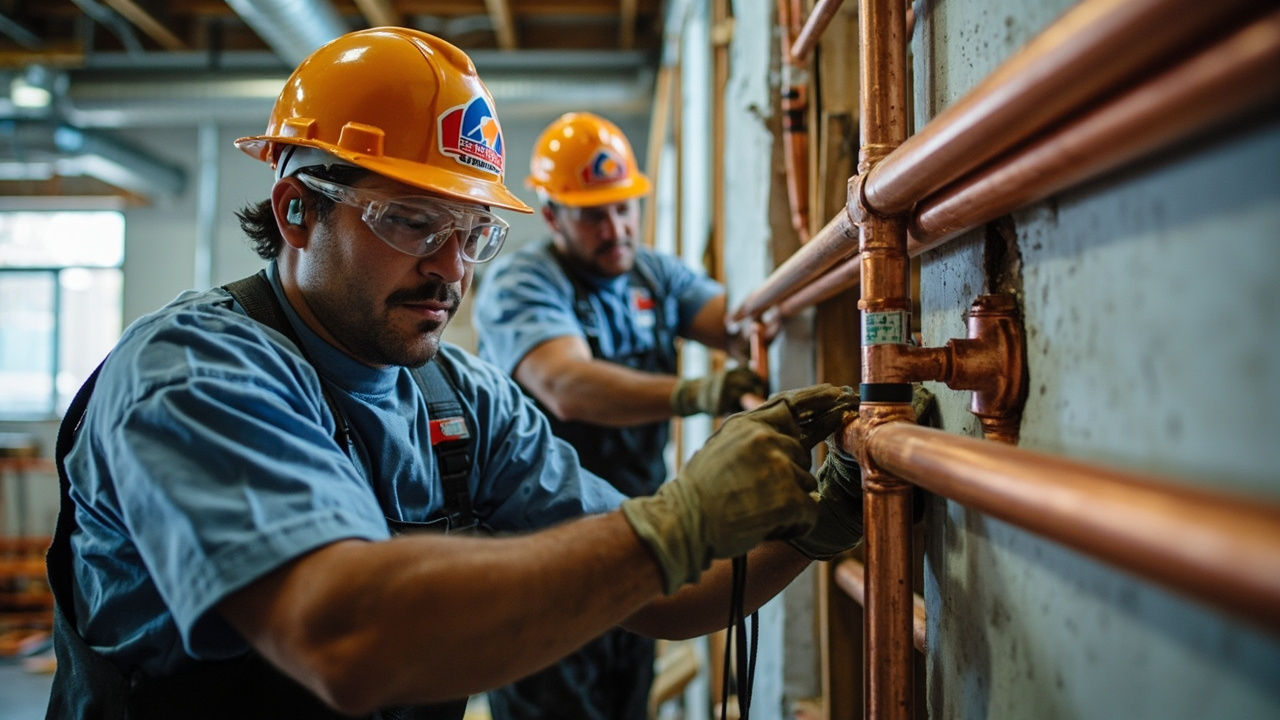
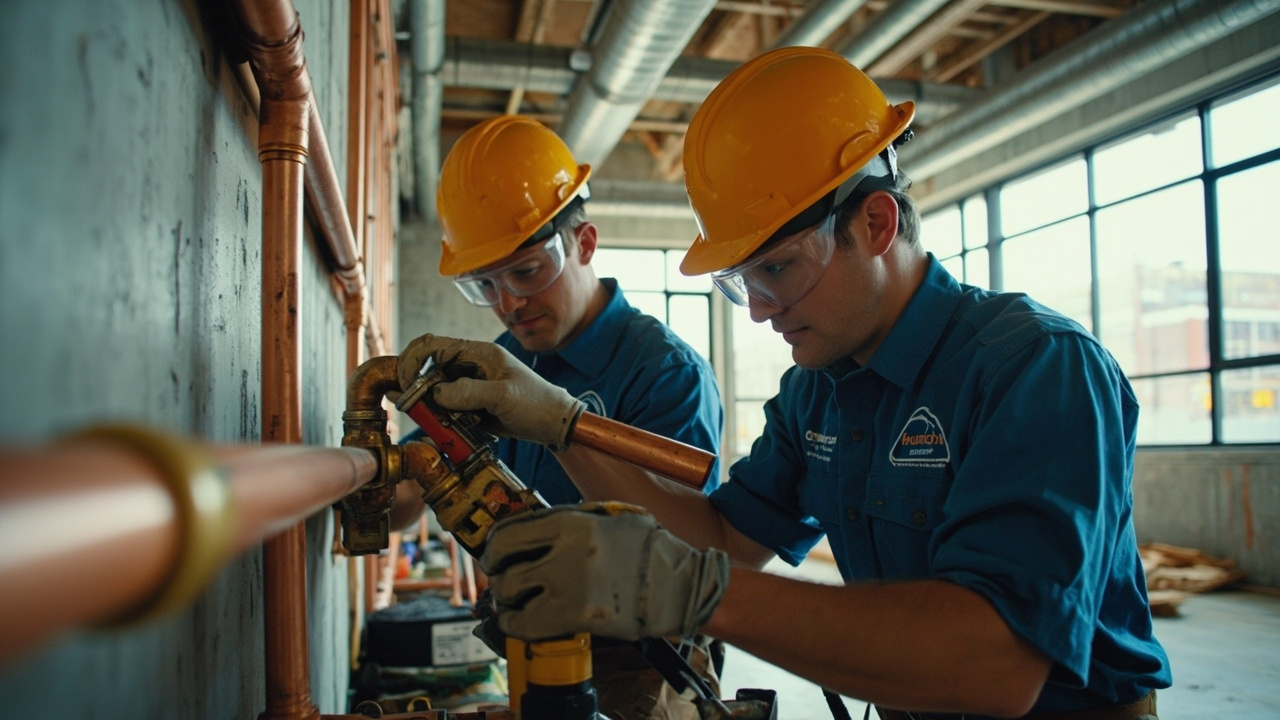
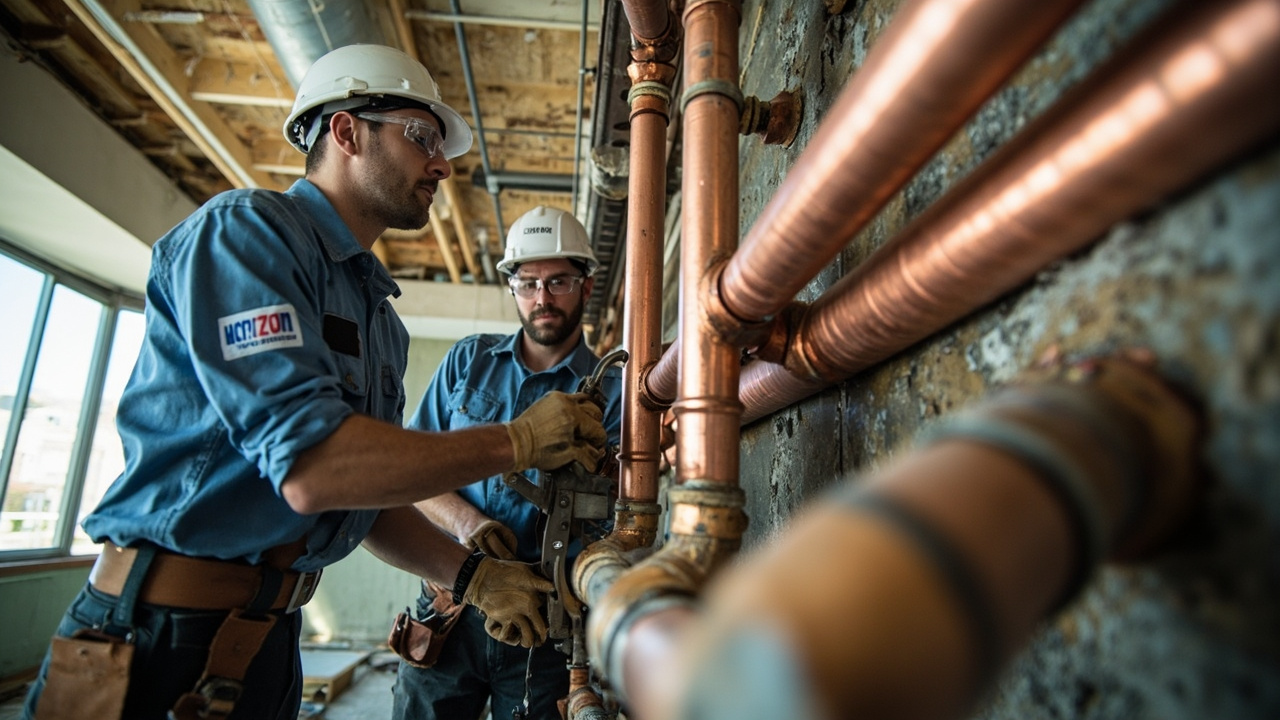
Commercial repiping services require a fundamentally different approach than residential work. Horizon Plumbing Seattle starts with a comprehensive piping assessment using video inspection and pressure testing to map your existing system and identify failure points before they become emergencies. We create a phased installation plan that segments work into manageable zones, allowing portions of your building to remain operational while we replace failing infrastructure.

Material selection depends on your specific application. We install Type L copper for general distribution, Schedule 40 CPVC for hot water systems, and cross-linked polyethylene (PEX) for flexibility in seismic zones. For industrial applications requiring higher pressure ratings or chemical resistance, we use Schedule 80 PVC or stainless steel piping. Each material choice ties directly to your operational requirements and local code mandates.

Our industrial repiping services include coordination with your facility managers to schedule work during low-occupancy periods. We stage materials off-site, pre-fabricate assemblies in our shop to reduce on-site labor time, and use rapid-deployment techniques like push-fit connections where code permits. This approach cuts installation time by 30 to 40 percent compared to traditional methods.

We handle all permitting, inspection scheduling, and code compliance documentation. Seattle requires separate permits for plumbing alterations, potential fire suppression modifications, and any work affecting seismic bracing. We manage the entire regulatory process so you can focus on running your business. Our team understands the specific requirements for medical gas systems, commercial kitchen grease interceptors, and industrial process piping that many contractors miss.

Our Commercial Repipe Project Timeline

Commercial Repiping Services in Seattle – Minimize Downtime and Keep Your Operations Running
01

System Assessment and Planning

We conduct a full building survey using camera inspection, pressure mapping, and water quality testing to document your existing system. Our team creates detailed CAD drawings showing new pipe routing, identifies shutdown zones, and develops a phased installation schedule. You receive a comprehensive project plan with material specifications, timeline estimates, and coordination requirements before any work begins. This planning phase typically takes three to five days for buildings up to 50,000 square feet.
02

Phased Installation Execution

Installation proceeds in defined zones with temporary water service maintaining operations in unaffected areas. We pre-fabricate pipe assemblies, install new mains and risers during off-hours, and coordinate shutdowns to minimize business disruption. Our crews work with your maintenance staff to manage building access, protect finished spaces, and maintain safety protocols. Each zone undergoes pressure testing and inspection before connection to the active system. Most commercial buildings complete installation within two to six weeks depending on size and complexity.
03

Testing and Closeout

Final commissioning includes hydrostatic pressure testing at 150 percent of working pressure, flow balancing across all zones, and complete documentation for your facility records. We coordinate all required inspections with the Seattle Department of Construction and Inspections, provide as-built drawings showing exact pipe locations, and deliver operation and maintenance manuals. You receive a complete compliance package including permit signoffs, material certifications, and testing reports. This closeout phase ensures your building documentation remains current for future maintenance or modifications.

Why Seattle Businesses Trust Our Commercial Plumbing Expertise

Horizon Plumbing Seattle understands the specific challenges of commercial building repiping in this market. We have worked on projects from Pike Place Market to South Lake Union's tech campuses, navigating the unique requirements of historic preservation districts, seismic upgrades, and high-rise construction.

Our team maintains current certifications for medical gas systems, backflow prevention assembly testing, and commercial kitchen equipment installation. We understand Seattle's progressive building codes, including the city's requirements for water conservation, cross-connection control, and accessibility compliance that affect every business pipe replacement project.

Commercial work demands different capabilities than residential service. We maintain inventory for emergency supply, carry commercial general liability coverage appropriate for large projects, and employ project managers who coordinate with general contractors, building engineers, and city inspectors. Our crews understand job site safety protocols, including confined space entry, hot work permits, and coordination with occupied buildings.

We have completed industrial repiping services for food processing facilities requiring FDA-compliant sanitary piping, medical buildings needing isolated systems for different tenants, and manufacturing plants with process water requirements. Each project type has specific material requirements, testing protocols, and documentation needs.

Seattle's commercial real estate market moves fast. Building sales, tenant improvements, and code-required upgrades all trigger repiping needs. We provide rapid response for due diligence inspections, detailed proposals for project bidding, and fast-track execution when closings or lease commencements create hard deadlines. Our reputation in the commercial market comes from delivering projects on schedule, within budget, and without surprises.

What Your Commercial Repipe Project Includes

Project Timeline and Staging

Most commercial building repiping projects complete within four to eight weeks from permit approval to final inspection. Smaller buildings under 20,000 square feet often finish faster, while high-rise or complex industrial facilities may extend to twelve weeks. We provide a detailed Gantt chart showing each phase, identify critical path items, and flag potential delays before they happen. Our scheduling accounts for inspector availability, material lead times, and your operational constraints. Weekend and overnight work options minimize disruption to business hours. You receive weekly progress updates and can track completion milestones in real time through our project management system.

Engineering and Code Compliance

Commercial plumbing repipe work requires engineered drawings stamped by a Washington-licensed professional engineer for projects affecting structural penetrations or seismic bracing. We coordinate with structural engineers to verify floor loading for new pipe routing, mechanical engineers for coordination with HVAC systems, and fire protection engineers when sprinkler modifications are required. Our submittal packages include hydraulic calculations, material specifications, and installation details that satisfy Seattle's commercial plan review requirements. We handle all code research, variance applications if needed, and inspector coordination. You receive a complete compliance file including approved permits, inspection signoffs, and as-built documentation suitable for building sale or refinancing requirements.

Quality and Performance Standards

Every commercial pipe replacement meets or exceeds the International Plumbing Code as adopted by Seattle. We install only new materials from approved manufacturers, never salvage or seconds. All pressure piping undergoes hydrostatic testing at 150 psi for a minimum of two hours with zero pressure drop. Joints and connections receive visual inspection before concealment. We provide material certifications, mill test reports for specialty piping, and documentation of welder qualifications for any fusion-welded systems. The finished installation includes proper pipe support spacing per code, seismic bracing calculations, and insulation where required for energy code compliance. You receive a system designed for a 50-year service life under normal operating conditions.

Warranty and Ongoing Support

Our workmanship stands behind every commercial installation with comprehensive coverage for labor and materials. Manufacturers provide separate material warranties ranging from 25 years for copper pipe to limited lifetime coverage for PEX systems. We maintain detailed project files including photos of concealed work, pressure test results, and material traceability. If you experience any issues during the warranty period, we respond within 24 hours for assessment and provide priority scheduling for any needed corrections. Many commercial clients transition to our preventive maintenance program after project completion, which includes annual inspections, valve exercising, and backflow testing to protect your investment and maintain code compliance.

Frequently Asked Questions

You Have Questions,
We Have Answers

How much does it cost to repipe a 4000 square foot house? +

Repiping a 4000 square foot commercial building in Seattle depends on building layout, access points, pipe material, and labor complexity. Multi-story structures with concealed plumbing behind finished walls increase costs. Copper costs more than PEX, but offers longer service life in commercial applications. Seattle's seismic codes may require additional bracing and anchoring, adding to material and labor expenses. Permit fees and mandatory inspections by Seattle Department of Construction and Inspections also factor in. For accurate budgeting, request a site assessment that evaluates your building's specific configuration and local compliance requirements before work begins.

How to avoid getting ripped off by a plumber? +

Protect your business by verifying the contractor holds a Washington State Contractors License and carries liability insurance. Request a detailed written estimate that itemizes labor, materials, permits, and timeline before work starts. Check reviews on Google and the Better Business Bureau. Avoid contractors who demand full payment upfront or pressure immediate decisions. In Seattle, reputable plumbers pull permits and schedule inspections with SDCI. Ask for references from other commercial clients in the area. Compare at least three bids. If pricing seems too low, the contractor may cut corners or lack proper insurance, exposing your business to liability.

Why is repiping so expensive? +

Commercial repiping carries high costs due to labor intensity, material expenses, and regulatory compliance. Plumbers must remove old piping, install new systems, pressure test all lines, and restore walls or ceilings. Copper and PEX materials add up quickly in large buildings. Seattle's stringent building codes require permits, inspections, and seismic bracing, increasing project scope. Skilled labor commands fair wages, especially in Seattle's competitive market. Downtime during repiping impacts business operations, so contractors often work nights or weekends at premium rates. The investment prevents catastrophic water damage, liability claims, and business interruption, making it a necessary capital expense.

How much does a plumber charge to replace pipes? +

Plumbers in Seattle charge based on pipe material, linear footage, access difficulty, and labor hours. Copper installation costs more than PEX due to material expense and soldering time. Concealed pipes behind walls require demolition and restoration, adding labor costs. Commercial projects demand licensed journeymen or master plumbers, whose hourly rates reflect their training and liability insurance. Permit fees and inspection scheduling with SDCI add administrative costs. Emergency or after-hours work commands premium rates to minimize business downtime. Request itemized bids that break down materials, labor, permits, and restoration work to compare pricing accurately across contractors.

What is the most expensive plumbing job? +

Complete building repiping ranks among the most expensive plumbing jobs due to scale and disruption. Full system replacement requires demolition, new piping installation, pressure testing, inspections, and finish restoration. In Seattle, multi-story commercial buildings with complex layouts and limited access increase costs significantly. Sewer line replacement under paved surfaces or within tight urban lots also runs high due to excavation, traffic control, and restoration requirements. Emergency repairs during business hours, such as main line failures causing flooding, rack up costs from water damage mitigation, overtime labor, and expedited permitting to restore operations quickly.

How much does it cost to plumb a 2500 square foot house? +

Plumbing a 2500 square foot commercial space in Seattle depends on fixture count, layout complexity, and intended use. A single-tenant office requires fewer fixtures than a restaurant with grease traps and multiple restrooms. New construction costs less than retrofit projects requiring demolition. Seattle's plumbing code mandates backflow prevention, adequate venting, and seismic restraints, all adding material and labor. Permit fees and SDCI inspections factor into total cost. Multi-story buildings need additional vertical piping and pressure regulation. Request a scope-specific estimate after plans review. Compare bids that include materials, labor, permits, inspections, and code compliance measures.

What should you not say to a contractor? +

Avoid undermining your negotiating position or project success. Do not say you have no budget or timeline constraints, which invites inflated pricing. Never claim you do not need permits or inspections. Seattle's building codes exist for liability protection and property value. Do not ask contractors to work off the books, which voids insurance coverage and violates state licensing laws. Avoid stating you will pay cash for a discount, which signals potential tax evasion. Do not badmouth previous contractors without facts, as it raises red flags about your expectations. Maintain professional communication focused on scope, compliance, and documented agreements.

What is the 135 rule for plumbing? +

The 135 rule refers to fixture unit calculations in commercial plumbing design. It helps determine drain line sizing based on connected fixture loads. In Seattle, plumbing code requires proper fixture unit tabulation to prevent undersized drains that cause backups. The rule applies when calculating branch drain capacity and ensuring adequate slope for waste evacuation. Licensed plumbers use fixture unit tables from the Uniform Plumbing Code to size pipes correctly. For commercial repiping, this calculation ensures new drain lines handle peak demand without overflows. Incorrect fixture unit calculations lead to code violations, failed inspections, and operational problems after project completion.

How to tell if your plumber is overcharging you? +

Compare itemized bids from at least three licensed contractors. Pricing should align within a reasonable range for similar scope and materials. Red flags include vague line items, refusal to itemize costs, or pressure tactics. Request references and verify completed projects similar to yours. In Seattle, check the contractor's license status with Washington State Department of Labor and Industries. Ensure bids include permit fees and inspection costs. Abnormally low bids often signal substandard materials or unlicensed workers. Ask questions about material grades, warranty terms, and project timeline. Trust contractors who explain costs transparently and provide documentation.

What is the 30% rule for renovations? +

The 30 percent rule suggests limiting renovation budgets to 30 percent of property value to avoid overcapitalization. For commercial properties in Seattle, this guideline helps balance improvement costs against market value and return on investment. Repiping often falls outside this rule because it addresses critical infrastructure failure, not aesthetic upgrades. Failing pipes cause liability exposure, business interruption, and property damage that far exceed repiping costs. Prioritize building systems based on condition assessments and code compliance needs rather than arbitrary budget caps. Consult with a commercial real estate advisor to evaluate how repiping impacts property value and tenant retention.

Seattle's Water Quality and Commercial Piping Challenges

Seattle Public Utilities sources water primarily from the Cedar River and Tolt River watersheds, producing naturally soft water with low mineral content but a pH between 6.5 and 7.5. This slightly acidic water chemistry accelerates galvanic corrosion in older galvanized steel piping and can cause pinhole leaks in thin-wall copper systems installed before 2000. Commercial buildings in the Pioneer Square and International District areas often have mixed-metal piping from multiple renovation cycles, creating electrochemical cells that speed deterioration. The city's aggressive water conservation mandates also mean lower flow velocities in oversized pipes, allowing longer contact time between acidic water and pipe walls. Industrial repiping services must account for these specific chemistry challenges when selecting materials and designing new distribution systems.

The Seattle Department of Construction and Inspections requires commercial plumbing work to meet seismic design standards that exceed basic code minimums due to the Cascadia Subduction Zone risk. Business pipe replacement projects must include lateral bracing, riser supports, and flexible connections that allow pipe movement during seismic events without joint failure. Buildings over three stories require engineered seismic calculations for all new piping installations. Horizon Plumbing Seattle maintains relationships with local structural engineers who understand these requirements and can provide stamped drawings quickly. Our familiarity with Seattle's commercial inspection process, including the specific documentation inspectors expect and common plan review comments, keeps projects moving forward without delays or resubmittals that cost you time and money.

Plumbing Services in The Seattle Area

Horizon Plumbing Seattle proudly serves the entire Seattle metropolitan area and surrounding communities. We invite users to view our service area map to confirm that your home or business falls within our coverage zone, ensuring we can deliver fast, reliable service right to your doorstep. Our professional team is strategically located to offer prompt dispatch, whether you're in the heart of downtown or the outlying neighborhoods. Call us to confirm coverage and schedule your expert plumbing appointment today; we look forward to serving you with confidence and a warm welcome.

Address:
Horizon Plumbing Seattle, 1515 Dexter Ave N, Seattle, WA, 98109

Additional Services We Offer

Our news updates

Latest Articles & News from The Blogs

Is Your Garbage Disposal Safe for the Septic System at Your Rural King County Property? If you live in a…

Is Your Garbage Disposal Safe for the Septic System at Your Rural King County Property?

Is Your Garbage Disposal Safe for the Septic System at Your Rural King County Property? If you live in a…

Why You Should Consider a Pressure Reducing Valve for Your Phinney Ridge Home

Why You Should Consider a Pressure Reducing Valve for Your Phinney Ridge Home Living in Phinney Ridge means dealing with…

The Real Difference Between a Main Line Clog and a Simple Sink Drain Issue

The Real Difference Between a Main Line Clog and a Simple Sink Drain Issue \n\n Water backing up in your…

Contact Us

Your building's plumbing infrastructure affects every aspect of operations. Contact Horizon Plumbing Seattle at (564) 220-5552 for a comprehensive system assessment and detailed project proposal. We provide transparent timelines, competitive pricing, and execution plans designed around your business needs.