




menu

Low Water Pressure Issues in Seattle – Expert Diagnosis and Permanent Solutions for Weak Flow

Whether you're dealing with decreased water pressure at one fixture or poor water flow throughout your entire home, our diagnostic approach identifies the root cause and delivers a lasting fix specific to Seattle's aging infrastructure and mineral-heavy water supply.

Slider Image 1
Slider Image 2
Slider Image 3
Slider Image 4
Slider Image 5
Slider Image 7
Slider Image 8
Slider Image 9
Slider Image 10
Slider Image 11

Why Seattle Homes Experience Chronic Low Water Pressure

You turn on the faucet and the stream is pathetic. The shower barely rinses shampoo. Your washing machine takes twice as long to fill. Weak water pressure is not just annoying. It signals a deeper problem in your plumbing system.

Seattle's unique challenges make low water flow more common here than in other cities. Much of the housing stock was built between the 1940s and 1970s, when galvanized steel pipes were standard. Those pipes corrode from the inside out over decades. The mineral content in Seattle's water supply, while safe to drink, accelerates this buildup. Calcium and magnesium deposits narrow the internal diameter of your pipes, choking flow to a trickle.

Poor water pressure can also stem from pressure regulator failure, hidden leaks in your service line, or sediment clogging your fixtures. If the problem is isolated to one bathroom or kitchen, the culprit is likely a clogged aerator or a failing shutoff valve. If the loss of water pressure affects your whole house, you are looking at a systemic issue in your main supply line or pressure regulation system.

Seattle Public Utilities maintains water pressure between 40 and 80 PSI at the street. If your home registers below 40 PSI, the problem is on your side of the meter. Decreased water pressure makes daily tasks frustrating and can indicate pipe failure that will only worsen. Ignoring it invites bigger repairs down the line.

Why Seattle Homes Experience Chronic Low Water Pressure
How We Diagnose and Restore Your Water Pressure

How We Diagnose and Restore Your Water Pressure

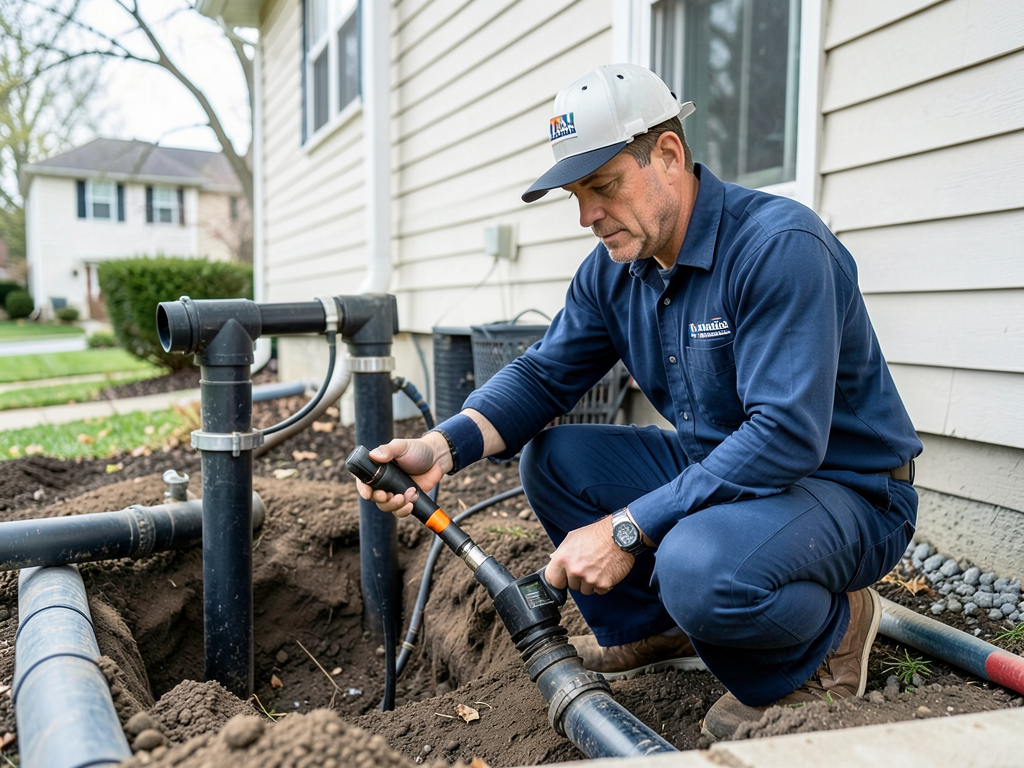
We do not guess. Horizon Plumbing Seattle uses pressure gauges, flow meters, and borescope cameras to pinpoint the exact location and cause of your weak water pressure.

First, we measure static pressure at your main shutoff and at multiple fixtures throughout the house. This tells us whether the problem is upstream (at the regulator or meter) or downstream (in your branch lines or fixtures). If we see a significant pressure drop between the meter and your fixtures, we know there is restriction or blockage in your supply line.

Next, we check your pressure reducing valve, or PRV. Most Seattle homes built after 1985 have one installed near the main water shutoff. PRVs protect your plumbing from excessive street pressure, but they fail over time. A stuck or corroded PRV can choke your entire system. We test the PRV under load to see if it is holding the correct setting or if it needs replacement.

If your pipes are galvanized steel and your home is over 40 years old, we often find heavy internal scaling. We can scope the lines to show you the buildup. In these cases, partial repiping or full repiping is the only permanent fix. Flushing or descaling provides temporary relief but does not address the structural degradation of corroded pipes.

For isolated low water flow at sinks or showers, we inspect aerators, cartridges, and supply lines. Sediment from water heater tanks or construction debris from recent municipal work can lodge in fixture valves. We clear or replace these components to restore full flow.

What Happens When You Call Us About Weak Water Pressure

Low Water Pressure Issues in Seattle – Expert Diagnosis and Permanent Solutions for Weak Flow
01

Pressure Testing and Flow Mapping

We arrive with calibrated pressure gauges and begin by testing static and dynamic pressure at your main line, water heater, and key fixtures. This creates a pressure map of your home, showing us exactly where flow drops off. We also check your PRV setting and confirm your incoming pressure from the city supply.
02

Root Cause Identification

Once we have the data, we isolate the cause. Is it a failed regulator, corroded galvanized pipes, sediment buildup, or a hidden leak? We use borescope cameras when needed to inspect pipe interiors without tearing into walls. You get a clear explanation of what is happening and why your water pressure has decreased.
03

Repair or Replacement Options

We present you with a detailed estimate for the correct fix. This might mean replacing your PRV, repiping a section of galvanized line, clearing a clogged aerator, or addressing a leak in your service line. We explain the longevity and performance you can expect from each option, so you can make an informed decision.

Why Seattle Homeowners Trust Us With Their Plumbing System

Seattle has specific plumbing challenges that out-of-town contractors do not understand. Our techs know the quirks of Seattle's mixed housing stock, from Craftsman bungalows in Wallingford to mid-century splits in Maple Leaf. We have worked on thousands of homes with galvanized steel, polybutylene, and copper supply lines. We know which neighborhoods have aggressive water chemistry and which have ongoing issues with municipal pressure fluctuations.

We also understand Seattle's plumbing code, which has stricter backflow prevention and cross-connection requirements than many other cities. Any pressure modification work must comply with Seattle Department of Construction and Inspections standards. We pull permits when required and ensure all work passes inspection.

Our diagnostic approach saves you money. Instead of recommending a full repipe when a PRV replacement will solve the problem, we give you the most cost-effective solution that actually works. We do not upsell. We do not push products you do not need. We fix the problem correctly the first time.

Horizon Plumbing Seattle has built its reputation on transparency and technical skill. We explain what we find in plain language, show you the evidence, and walk you through your options. You will never feel pressured or confused. Our goal is to restore your water pressure and give you confidence in your plumbing system for years to come.

We serve every neighborhood in Seattle, from Queen Anne to Rainier Valley, and we respond quickly. If you call us in the morning, we can often be there the same day.

What You Can Expect When We Solve Your Water Pressure Problem

Fast Response and Flexible Scheduling

We know that living with poor water pressure is frustrating. You should not have to wait a week for someone to show up. We offer same-day and next-day appointments for most service calls. When you call (564) 220-5552, you talk to a real person who can get you on the schedule quickly. We also offer evening and weekend slots for homeowners who cannot take time off work. Our techs arrive on time and come prepared with the diagnostic tools needed to solve your issue during the first visit.

Thorough Diagnostic and Clear Explanation

We do not start tearing things apart without understanding the problem first. Our techs perform a full pressure and flow assessment, checking your PRV, main shutoff, fixtures, and supply lines. We use pressure gauges and cameras to gather data, then explain what we found in terms you can understand. You will see the readings, view any camera footage, and get a clear diagnosis. We walk you through the cause of your weak water pressure and explain what needs to be done to fix it permanently.

Reliable Repairs That Restore Full Flow

Once you approve the work, we complete the repair or replacement with precision. If we are replacing a PRV, we install a quality valve and set it to the optimal pressure for your home. If we are repiping, we use durable materials like PEX or copper that will last decades. If we are clearing blockages, we ensure every fixture flows at full capacity. When we finish, you will notice the difference immediately. Your shower will have strong pressure again. Your faucets will fill pots quickly. Your appliances will perform as designed.

Follow-Up Support and Maintenance Guidance

After we restore your water pressure, we provide guidance on maintaining your system. If your home has older pipes, we will recommend monitoring intervals to catch future issues early. If you have a new PRV, we will explain how to test it periodically. We stand behind our work and remain available if you have questions or concerns after the job is complete. You are not just getting a repair. You are getting a partner who understands your plumbing system and wants it to perform reliably for the long term.

Frequently Asked Questions

You Have Questions,
We Have Answers

What is the most common cause of low water pressure? +

The most common cause is mineral buildup inside pipes and fixtures. Seattle's water contains calcium and magnesium that accumulate over time, narrowing the pipe diameter and restricting flow. Older homes with galvanized pipes see this faster. Corroded galvanized steel pipes constrict water passage significantly. Faulty pressure regulators also cause widespread low pressure throughout your home. A failing pressure-reducing valve can drop your system pressure below functional levels. Clogged aerators on faucets mimic low pressure but are isolated to one fixture. Seattle's aging pipe infrastructure in neighborhoods like Capitol Hill and Queen Anne makes mineral accumulation a frequent issue.

How do I fix my low water pressure? +

Start by checking individual faucet aerators. Unscrew them and clean out sediment or mineral deposits. If only one fixture has low pressure, the problem is localized. If your whole house suffers, check your main shutoff valve to confirm it is fully open. Test your pressure regulator by installing a pressure gauge on an outdoor hose bib. Normal pressure reads 40-70 psi. Replace faulty regulators. For corroded galvanized pipes, repiping is the only permanent fix. Do not ignore persistent low pressure. It signals deeper plumbing issues that worsen over time and can damage appliances.

Who is responsible for low water pressure? +

Responsibility depends on where the problem originates. Seattle Public Utilities manages water mains up to your property line and the meter. If low pressure affects multiple homes on your block, call SPU to report a main issue. If only your home has low pressure, you own the problem. Your pipes, pressure regulator, and fixtures are your responsibility. In rental properties, landlords must maintain functional plumbing systems, including adequate water pressure. Homeowners associations may handle pressure issues in shared plumbing for condos or townhomes. Determine whether the issue is isolated to your property before calling the city.

Can I increase water pressure myself? +

You can handle minor fixes. Clean faucet aerators by soaking them in vinegar to dissolve mineral buildup. Replace corroded aerators at hardware stores. Check that your main shutoff valve is fully open. Adjust the pressure regulator if you have access and know the proper psi range. However, do not attempt to replace a pressure regulator, repipe corroded lines, or diagnose complex system issues without professional help. Incorrect adjustments can damage your plumbing or violate Seattle building codes. If simple cleaning does not restore pressure, stop and call a licensed plumber to prevent costly mistakes.

Do I need a plumber for low pressure? +

Yes, if simple fixes do not work. A plumber diagnoses whether the issue is isolated or systemic. They pressure-test your system to identify leaks, check your pressure regulator, and inspect for corroded galvanized pipes common in older Seattle homes. Plumbers have the tools to camera-inspect lines and detect hidden blockages or pipe failure. Attempting complex repairs yourself risks water damage, code violations, or worsening the problem. Licensed plumbers in Seattle understand local water quality, pipe materials used in different construction eras, and Seattle Department of Construction and Inspections requirements. Professional diagnosis saves you time and prevents misguided repairs.

How to unclog a p-trap? +

Place a bucket under the p-trap beneath your sink. Loosen the slip nuts on both ends of the curved pipe section using pliers or by hand. Remove the trap and dump the contents into the bucket. Rinse the trap thoroughly under running water to clear hair, soap buildup, and debris. Check the gaskets for wear and replace if cracked. Reattach the trap, hand-tightening the slip nuts first, then snugging with pliers. Do not overtighten or you will crack the plastic. Run water and check for leaks. Tighten slightly if needed. This takes 10 minutes and solves most drain clogs.

Why is barely any water coming out of my faucet? +

You likely have a clogged aerator or a severe pipe blockage. Unscrew the faucet aerator and inspect it for mineral deposits or debris. Soak it in vinegar for 30 minutes, scrub with a brush, and reinstall. If flow does not improve, check the shutoff valve under the sink to confirm it is fully open. A partially closed valve restricts flow dramatically. If other faucets work fine, the problem is isolated to that fixture or supply line. If all faucets produce minimal water, you have a mainline issue, corroded pipes, or a failing pressure regulator. Call a plumber for whole-house problems.

How Seattle's Aging Infrastructure and Mineral-Heavy Water Contribute to Low Water Pressure

Seattle's water comes from the Cedar River and Tolt River watersheds. It is clean and soft compared to many cities, but it still carries dissolved minerals that build up over time. Homes built before 1980 often have galvanized steel pipes, which corrode and scale internally as water passes through them. The combination of Seattle's damp climate and mineral content accelerates this process. Capitol Hill, Fremont, and Ballard have some of the oldest housing stock in the city, and decreased water pressure is a common complaint in these neighborhoods. If your home is over 40 years old and has never been repiped, you are likely dealing with reduced pipe diameter from corrosion and scaling.

Seattle's plumbing code requires pressure reducing valves on most residential installations to protect fixtures from excessive street pressure, which can exceed 80 PSI in hilly areas like Queen Anne or Magnolia. When these PRVs fail, they can cause system-wide loss of water pressure. Horizon Plumbing Seattle understands the specific challenges of Seattle's mixed-age housing and varied topography. We have worked in every neighborhood and know how to diagnose and repair pressure issues quickly. Local expertise matters when your plumbing system depends on components that interact with Seattle's unique water supply and municipal infrastructure.

Plumbing Services in The Seattle Area

Horizon Plumbing Seattle proudly serves the entire Seattle metropolitan area and surrounding communities. We invite users to view our service area map to confirm that your home or business falls within our coverage zone, ensuring we can deliver fast, reliable service right to your doorstep. Our professional team is strategically located to offer prompt dispatch, whether you're in the heart of downtown or the outlying neighborhoods. Call us to confirm coverage and schedule your expert plumbing appointment today; we look forward to serving you with confidence and a warm welcome.

Address:
Horizon Plumbing Seattle, 1515 Dexter Ave N, Seattle, WA, 98109

Additional Services We Offer

Our news updates

Latest Articles & News from The Blogs

Is Your Garbage Disposal Safe for the Septic System at Your Rural King County Property? If you live in a…

Is Your Garbage Disposal Safe for the Septic System at Your Rural King County Property?

Is Your Garbage Disposal Safe for the Septic System at Your Rural King County Property? If you live in a…

Why You Should Consider a Pressure Reducing Valve for Your Phinney Ridge Home

Why You Should Consider a Pressure Reducing Valve for Your Phinney Ridge Home Living in Phinney Ridge means dealing with…

The Real Difference Between a Main Line Clog and a Simple Sink Drain Issue

The Real Difference Between a Main Line Clog and a Simple Sink Drain Issue \n\n Water backing up in your…

Contact Us

Stop struggling with weak water pressure. Call Horizon Plumbing Seattle at (564) 220-5552 to schedule a diagnostic visit. We will find the cause, explain your options, and restore your water flow quickly and correctly.