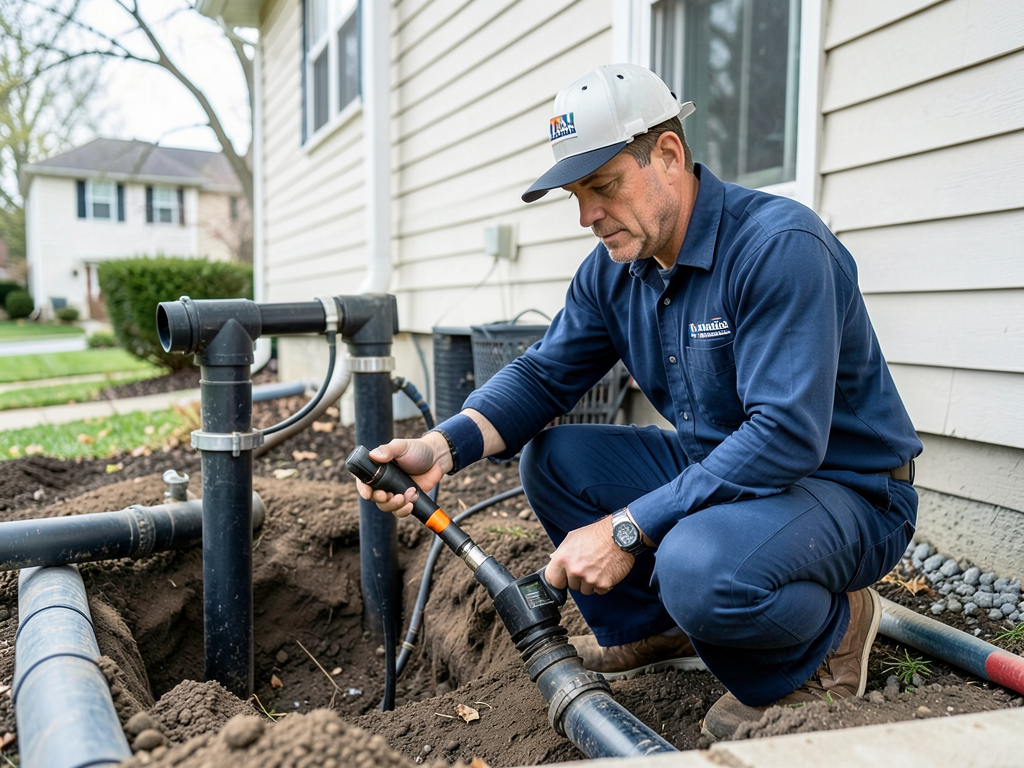





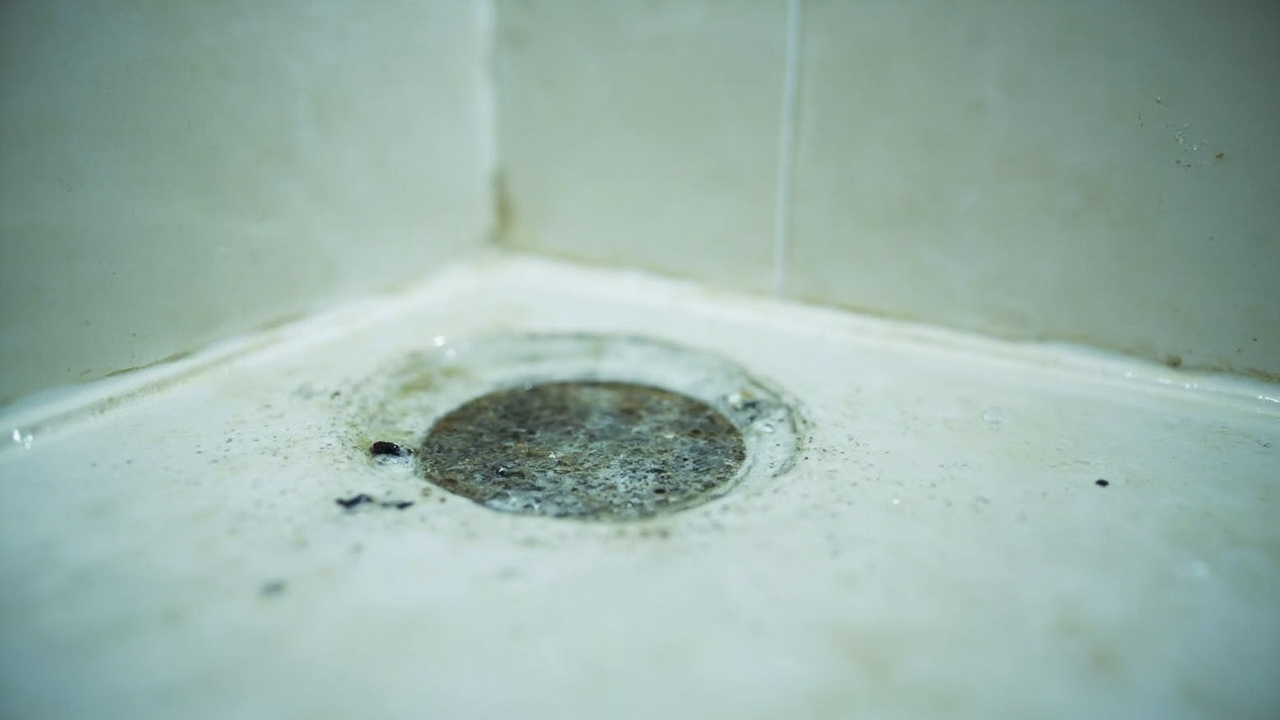
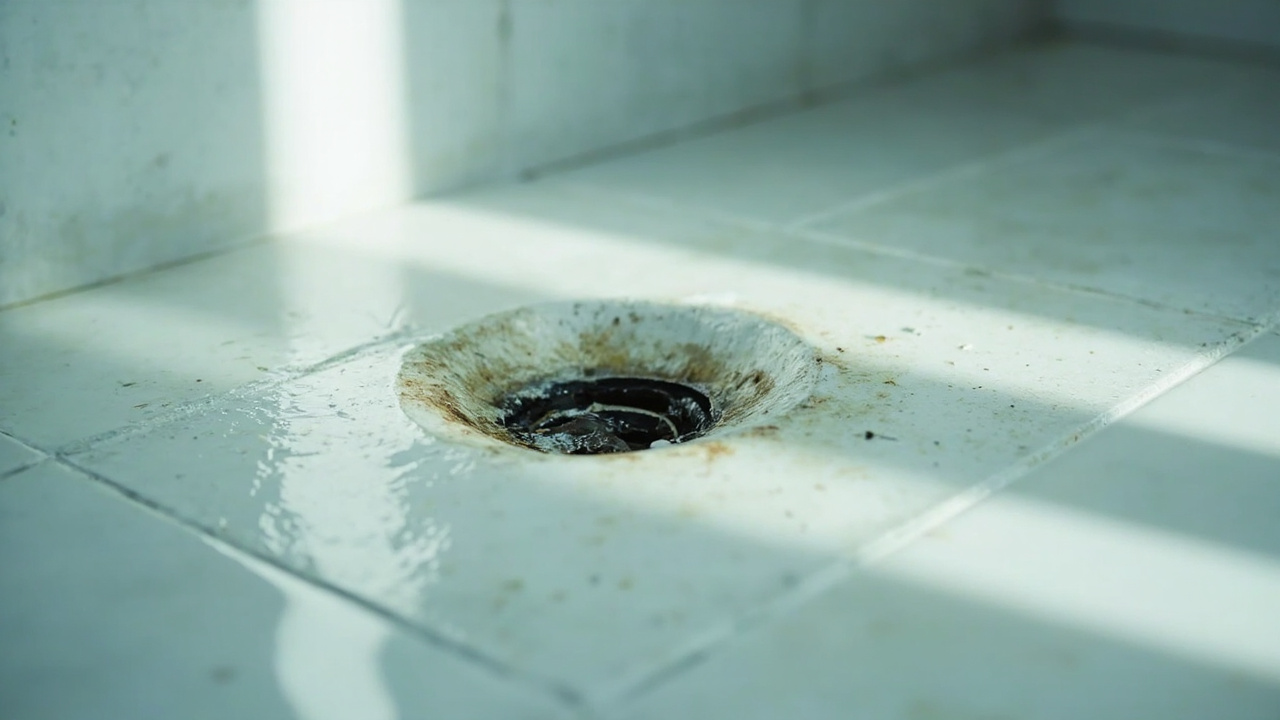
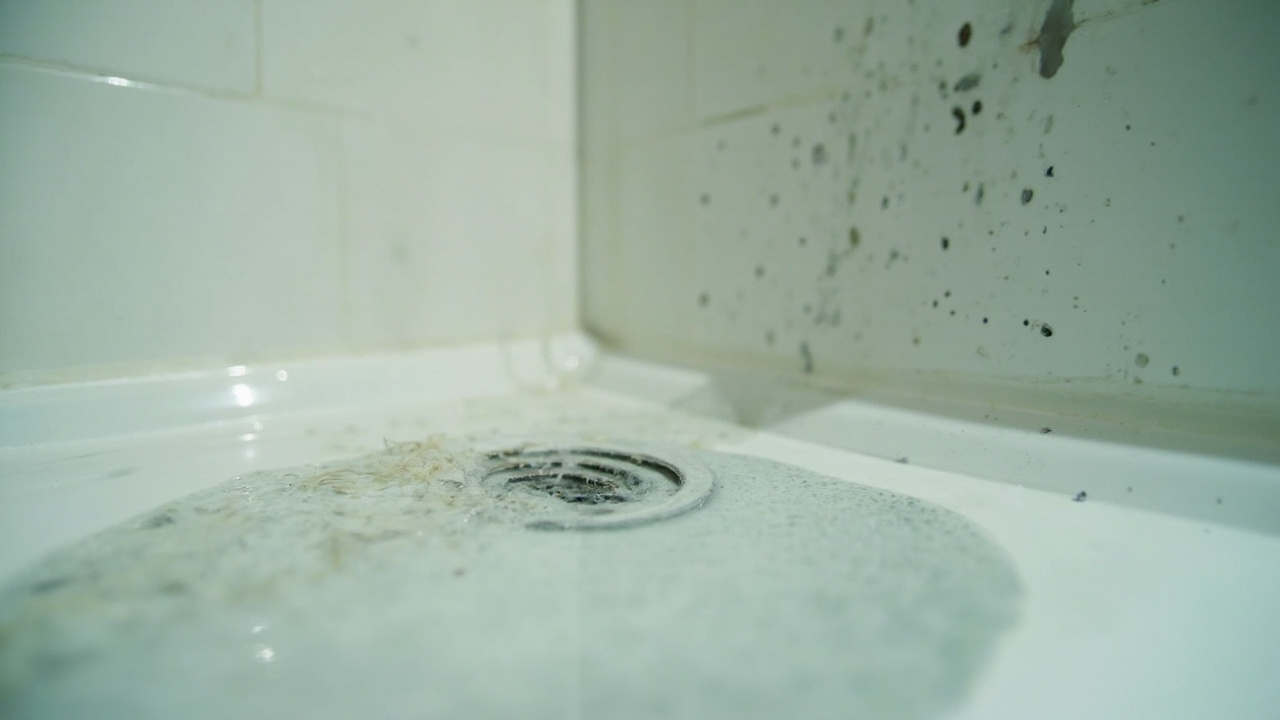
Seattle receives 37 inches of rain annually, and the city's water supply comes from protected watersheds in the Cascades. This creates relatively soft water compared to other regions, but soft water behaves differently in old pipes. It leaches minerals from galvanized steel and corrodes cast iron faster than hard water does. Many homes built before 1970 have clay sewer laterals that crack under ground movement from rain saturation. These cracks allow root infiltration from moisture-seeking trees. The combination of corroding drain pipes and root-invaded sewer lines creates the perfect environment for recurring clogs and standing water problems.
Seattle updated its plumbing code significantly in 2015, but enforcement varies by neighborhood. Older areas like Fremont, Wallingford, and the Central District contain thousands of homes with non-compliant drain venting. These homes experience chronic slow drains because negative pressure develops in the drain lines. Local plumbers who understand Seattle's specific code requirements and housing age distribution can identify these venting issues during routine inspections. Choosing a plumber familiar with Seattle's plumbing infrastructure means faster diagnosis and solutions that address actual code compliance problems, not just surface symptoms.