





menu

No Hot Water Diagnosis in Seattle – Expert Troubleshooting Within 90 Minutes

Horizon Plumbing Seattle pinpoints the exact cause of your hot water failure fast. Our diagnostic process identifies water heater issues, checks gas supply, inspects electrical connections, and tests heating elements to restore your hot water reliably.

Slider Image 1
Slider Image 2
Slider Image 3
Slider Image 4
Slider Image 5
Slider Image 7
Slider Image 8
Slider Image 9
Slider Image 10
Slider Image 11

Why Seattle Homes Lose Hot Water Without Warning

You turn the tap and get nothing but cold water. The shower runs icy. The dishwasher refuses to heat. When hot water disappears, most Seattle homeowners panic and assume the entire water heater is dead.

But here is what most people miss. The Pacific Northwest's mineral-heavy water supply accelerates sediment buildup inside tanks. Seattle's voltage fluctuations during winter storms trip heating elements. Gas pilot lights blow out in drafty basements common to older Queen Anne and Capitol Hill homes. These conditions create specific failure patterns you need to identify before you spend money on the wrong fix.

When you troubleshoot water heater problems, you need to know whether the issue stems from the heating source, the fuel supply, the thermostat, or simple sediment interference. A cold water line can feel identical to a dead heating element if you do not test the right components. Many homeowners replace entire units when a simple pilot relight or breaker reset would restore function.

Seattle's rainy climate also corrodes electrical connections faster than drier regions. Water heaters tucked into damp crawl spaces under Craftsman bungalows develop unique electrical faults. You cannot diagnose lack of hot water accurately without checking voltage at the unit itself, not just at the breaker panel.

The goal is to identify water heater issues systematically. Check power first. Verify gas flow second. Test thermostats third. Inspect heating elements fourth. This sequence prevents guesswork and identifies the real cause of no hot water within minutes instead of hours.

Why Seattle Homes Lose Hot Water Without Warning
How We Diagnose Water Heater Failures Correctly

How We Diagnose Water Heater Failures Correctly

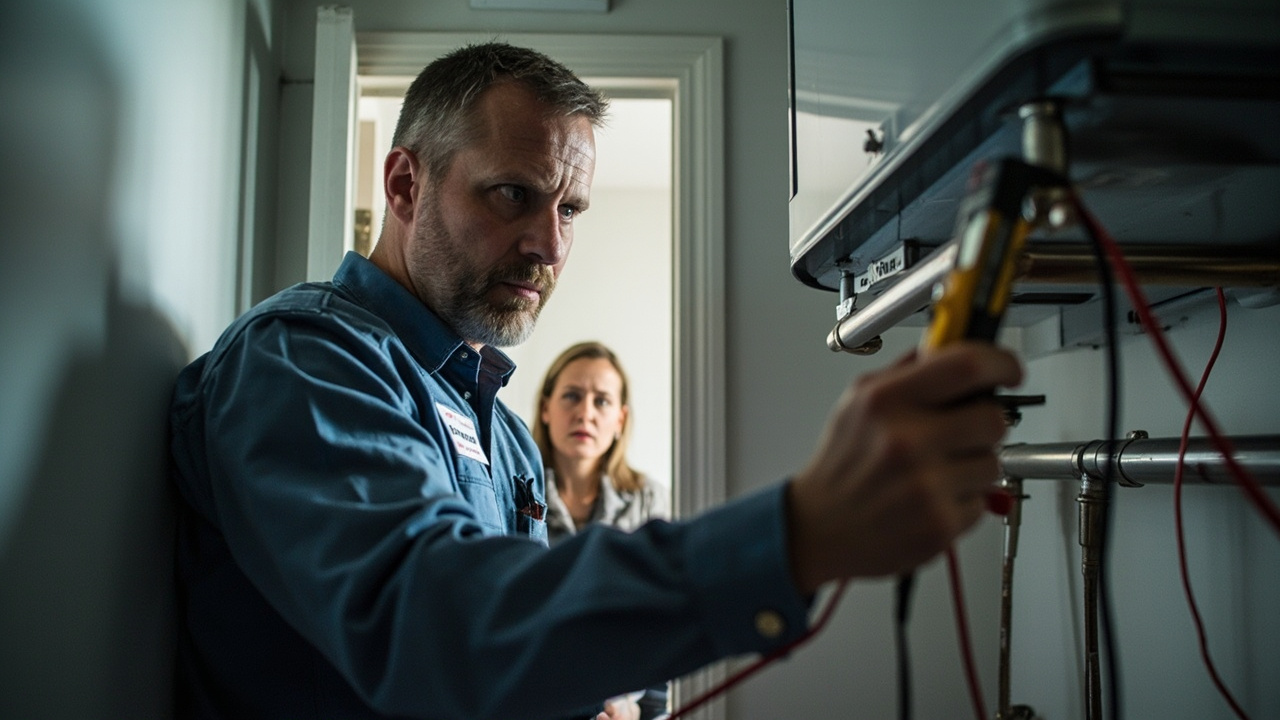
We do not walk in, glance at your water heater, and declare it broken. Horizon Plumbing Seattle follows a diagnostic protocol that eliminates variables and isolates the true malfunction.

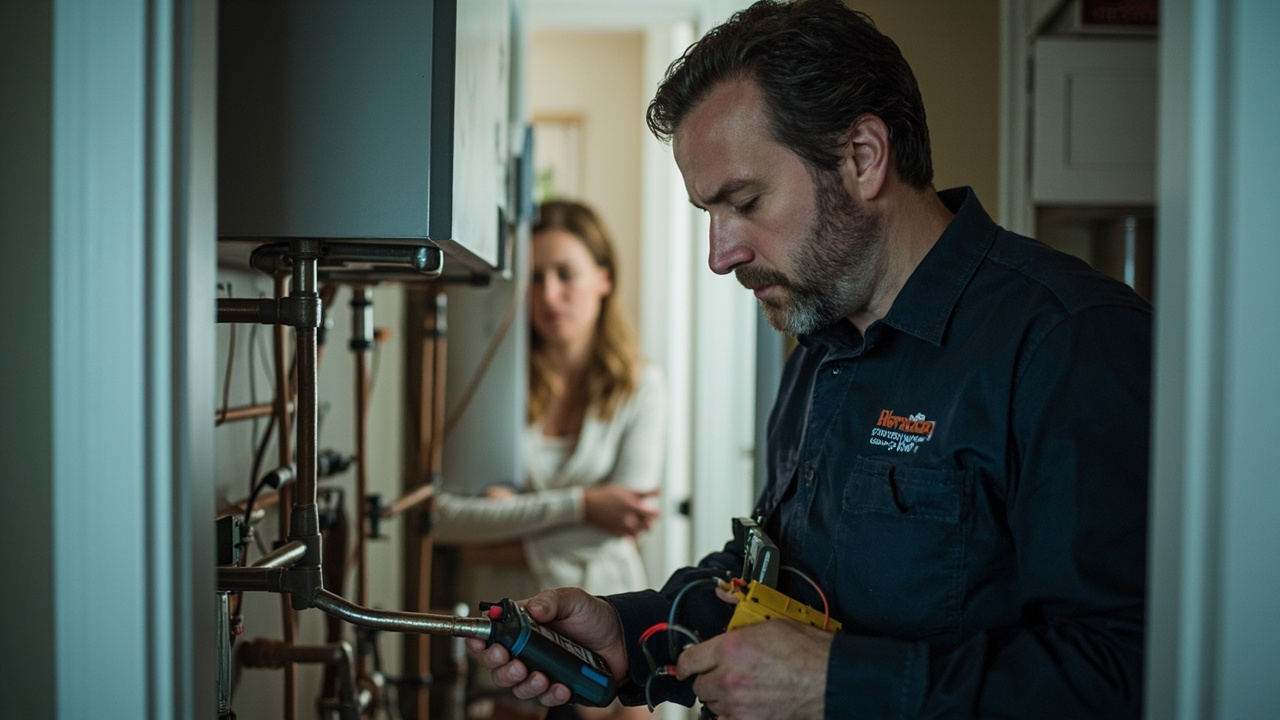
First, we verify power and fuel supply. For electric units, we check voltage at the breaker, then at the water heater's junction box, then at each heating element. Voltage drop between these points reveals loose wiring or corroded terminals. For gas units, we test manifold pressure and pilot flame strength to confirm adequate gas delivery. Seattle's natural gas pressure varies by neighborhood, and low pressure mimics a dead thermocouple.

Next, we pull the access panels and inspect the heating elements or burner assembly. Scale buildup on electric elements creates an insulating layer that blocks heat transfer. Soot on gas burners indicates incomplete combustion and reduced efficiency. Both conditions cause water heater malfunction symptoms that look identical from outside the unit.

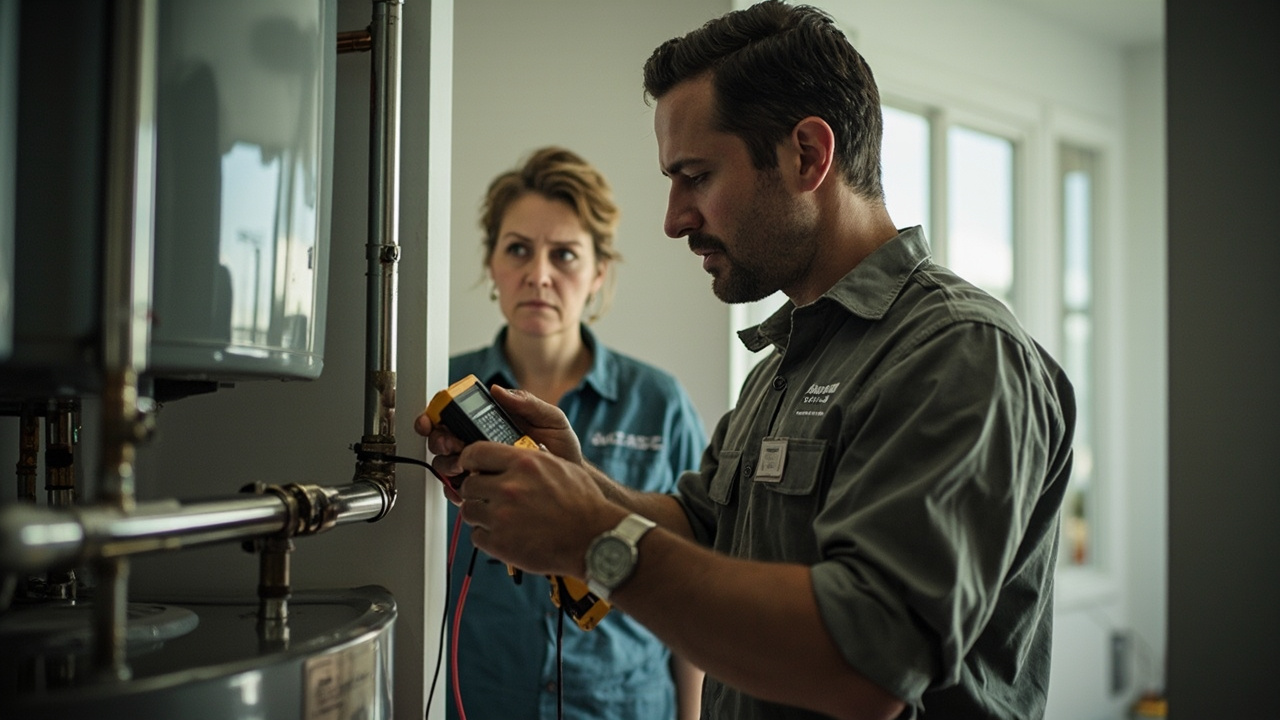
We test thermostats with a multimeter to verify continuity and accurate temperature sensing. Faulty thermostats fail to signal heating elements to activate, leaving you with tepid or cold water even when the elements themselves work perfectly. Dual-element electric water heaters use two thermostats, and the upper thermostat failure cuts power to both elements.

We also drain a sample from the tank's bottom drain valve. Heavy sediment in the discharge tells us the tank's lower heating element sits buried in mineral deposits, common in Seattle's calcium-rich water supply. This sediment layer blocks heat transfer and reduces available hot water volume even when the element heats properly.

This methodical approach identifies water heater issues without guessing, prevents unnecessary part replacement, and gives you the exact repair scope before we start work.

What Happens During Your Diagnostic Appointment

No Hot Water Diagnosis in Seattle – Expert Troubleshooting Within 90 Minutes
01

Initial System Assessment

Our technician arrives and verifies your symptoms by running hot water at multiple fixtures. We check the water heater's age, fuel type, and tank capacity. We inspect the installation environment for ventilation issues, moisture damage, or code violations that contribute to premature failure. We photograph the data plate and serial number to cross-reference manufacturer specifications and recall bulletins.
02

Component Testing and Measurement

We systematically test each component that affects hot water production. Electric units receive voltage checks, continuity tests on both heating elements, and thermostat calibration verification. Gas units receive combustion analysis, pilot flame inspection, and gas valve function testing. We measure tank temperature at the outlet pipe and compare it to thermostat settings to identify heat loss or control failure.
03

Diagnosis Report and Repair Options

We explain exactly what failed and why. You receive a written diagnosis that identifies the faulty component, the cause of failure, and the recommended repair or replacement. We provide upfront pricing for each option, including parts and labor. If the tank itself has failed due to internal corrosion or sediment damage beyond repair, we explain replacement options sized correctly for your household's actual demand.

Why Seattle Homeowners Choose Local Diagnostic Expertise

Generic plumbing companies treat every no hot water call identically. They assume the water heater is dead, quote replacement, and move on. That approach wastes your money when a simple repair would restore function.

Horizon Plumbing Seattle understands the specific failure modes common to Seattle's housing stock and water conditions. We know that pre-1980 homes in Ballard and Fremont often have undersized gas lines that restrict flow to water heaters during peak demand. We recognize that electric water heaters in newer Green Lake townhomes frequently trip breakers due to shared circuits overloaded with kitchen appliances. We identify these patterns because we diagnose water heater problems across every Seattle neighborhood daily.

Our technicians carry diagnostic equipment beyond what most plumbers stock. We use thermal imaging cameras to detect internal tank hot spots that reveal element failure location. We carry manometers to measure gas pressure accurately instead of guessing based on flame appearance. We test water hardness on-site to correlate sediment buildup with your specific water supply characteristics.

We also understand Seattle's plumbing code requirements for water heater installations. If your current unit violates code due to improper venting, missing expansion tanks, or inadequate seismic strapping, we identify these issues during diagnosis. Ignoring code violations creates liability and complicates future home sales. We document these conditions and explain the correct remediation before you face a failed inspection during closing.

Local expertise matters because water heater performance depends on installation quality, water chemistry, and environmental conditions unique to the Puget Sound region. We do not apply generic troubleshooting checklists. We apply Seattle-specific knowledge to identify causes of no hot water that out-of-area plumbers miss.

You also get faster response because we operate from Seattle, not a distant suburb. We stock common repair parts for every major water heater brand sold locally, so most repairs finish same-day without waiting for distributor deliveries.

What You Can Expect From Our Diagnostic Service

Response Time and Availability

We dispatch a technician to your Seattle home within 90 minutes for urgent no hot water calls. Our standard service window covers weekdays and Saturdays, with emergency availability for critical situations. You receive a text notification when the technician is en route, including their name, photo, and estimated arrival time. Most diagnostic appointments last 45 to 90 minutes depending on water heater type and accessibility. We complete repairs the same day whenever possible if you approve the work.

Diagnostic Process and Findings

Our diagnostic fee covers the complete system evaluation, component testing, and written findings report. If you proceed with recommended repairs, we credit the diagnostic fee toward the repair cost. You receive photos of failed components and test readings that document the diagnosis. We explain technical findings in plain language so you understand what failed and why. You are never pressured to approve work immediately. We provide written estimates you can review and compare before making repair decisions.

Repair Quality and Completion

All repairs use manufacturer-specified parts that meet or exceed original equipment standards. We do not install aftermarket components that void warranties or reduce service life. Electric heating elements are tested for proper wattage and voltage rating before installation. Gas control valves are leak-tested with combustible gas detectors, not just soap bubbles. Thermostats are calibrated to maintain set temperature within two degrees. You receive documentation of all parts installed, including serial numbers and specifications.

Post-Repair Support and Guidance

Repairs include a workmanship guarantee and manufacturer parts warranty documentation. We provide maintenance recommendations specific to your water heater type and Seattle's water hardness levels. You learn how to flush sediment annually, test pressure relief valves safely, and recognize early warning signs of future problems. We explain when tank replacement makes better financial sense than repeated repairs based on unit age and condition. Follow-up calls are free if you experience any issues after repair completion.

Frequently Asked Questions

You Have Questions,
We Have Answers

What is the most common cause of no hot water? +

The most common cause of no hot water is a failed heating element in electric water heaters or a faulty pilot light and thermocouple in gas units. In Seattle homes, sediment buildup from mineral-rich water also clogs the tank and reduces efficiency. Tripped circuit breakers affect electric models, while gas supply interruptions impact gas heaters. Older water heaters past their 10-year lifespan often fail completely. A broken dip tube can also send cold water directly to your fixtures instead of routing it to the bottom for heating.

How to diagnose no hot water? +

Start by checking your circuit breaker for electric water heaters or confirming the pilot light is lit on gas models. Feel the tank exterior. If it's cold, the unit is not heating. Check for water pooling around the base, which signals a leak. Test the temperature setting on the thermostat. For gas heaters, inspect the burner flame. It should burn blue, not yellow. If the pilot light won't stay lit, the thermocouple likely failed. Seattle's hard water accelerates sediment buildup, so listen for popping sounds that indicate mineral deposits.

Is it an emergency if you don't have hot water? +

No hot water is not usually an emergency, but it becomes urgent if you have young children, elderly residents, or medical needs. In Seattle's cold, damp climate, going without hot water for laundry and bathing creates health risks. If you smell gas near your water heater or see water pooling, shut off the supply and call a plumber immediately. Active leaks cause property damage fast. Otherwise, most no-hot-water situations can wait for next-day service, though you will want the problem diagnosed quickly to restore comfort.

What does it mean if you don't have no hot water? +

If you have no hot water, your water heater stopped functioning properly. This means the heating mechanism failed, whether that is a broken element, extinguished pilot light, faulty thermostat, or complete unit failure. It can also mean your gas supply was interrupted or your circuit breaker tripped. In some cases, a closed water valve or severe sediment blockage prevents hot water from reaching your fixtures. The lack of hot water tells you something in the heating or delivery system needs diagnosis and repair.

Why is my hot water not working but the cold is? +

When cold water works but hot water does not, the problem sits with your water heater or the hot water supply line. The most common culprits are a failed heating element, broken thermostat, extinguished pilot light, or a tripped breaker. Seattle's older homes sometimes have corroded hot water pipes that restrict flow. A closed shut-off valve on the hot side will also cut supply while leaving cold water unaffected. Check your water heater first, then inspect the hot water valve near the unit.

Why have I suddenly got no hot water? +

Sudden hot water loss usually means your pilot light went out, your circuit breaker tripped, or a heating element just failed. Gas water heaters lose their pilot from drafts, while electrical issues trip breakers without warning. Thermostats can fail suddenly after years of use. In Seattle's frequent power fluctuations during storms, breakers trip often. A water heater reaching the end of its lifespan may quit without advance notice. Check the simple fixes first, then call a plumber if the unit will not restart or stay running.

When should I call a plumber for no hot water? +

Call a plumber immediately if you smell gas, see water pooling around the heater, or notice rust-colored water. If you checked the pilot light and breaker but still have no hot water, you need professional diagnosis. When the pilot light will not stay lit after multiple attempts, the thermocouple or gas valve likely failed. Seattle's high humidity accelerates tank corrosion, so age matters. If your water heater is over 10 years old and stopped working, replacement may be more cost-effective than repair.

How to reset a hot water system? +

For electric water heaters, locate your circuit breaker panel and flip the water heater breaker off, wait 30 seconds, then flip it back on. For gas models, turn the thermostat dial to the off position, wait five minutes for gas to clear, then turn it to pilot. Press and hold the pilot button while igniting the flame with the igniter. Hold for 30 seconds, release, and turn the dial to on. If the system will not reset or stay running, you need professional repair.

How to clean a water heater thermocouple? +

Turn off the gas supply and let the water heater cool completely. Remove the thermocouple by unscrewing the copper connection at the gas valve. Use fine-grit sandpaper or steel wool to gently clean the sensor tip until shiny. Avoid aggressive scrubbing, which damages the sensor. Wipe away residue with a dry cloth. Reinstall the thermocouple, ensuring the tip sits directly in the pilot flame. In Seattle's damp climate, thermocouples corrode faster. If cleaning does not work, replacement costs less than full service calls.

How long can they leave you with no hot water? +

There is no legal time limit requiring landlords to restore hot water in Seattle, but habitability laws mandate functional plumbing. Most landlords address the issue within 24 to 48 hours. Document the problem immediately in writing and follow up if you do not get a response. Seattle's Residential Landlord-Tenant Act protects tenants from uninhabitable conditions. If your landlord ignores the issue beyond a reasonable time, you may withhold rent or arrange your own repair and deduct costs, but consult legal guidance first.

How Seattle's Water Quality Accelerates Water Heater Failures

Seattle's municipal water supply contains elevated calcium and magnesium levels that deposit inside water heater tanks faster than most Western cities. The Cedar River and Tolt River sources carry dissolved minerals through the distribution system into your home. These minerals precipitate when heated, settling on tank bottoms and coating heating elements. A three-year-old water heater in Seattle often contains sediment levels comparable to a seven-year-old unit in softer water regions. This accelerated buildup insulates heating elements, reduces tank capacity, and causes premature thermostat failure. When you troubleshoot water heater problems, sediment inspection must happen early in the diagnostic sequence because it hides other malfunctions underneath.

Local plumbers who serve Seattle neighborhoods daily recognize these water quality patterns immediately. We correlate your street address with source water zone to predict likely failure modes before we open the access panel. Homes north of the Ship Canal receive different mineral concentrations than South Seattle neighborhoods, and those differences affect diagnostic priorities. This geographical knowledge prevents misdiagnosis and targets testing where failures actually occur. Choosing a Seattle-based service means your technician has seen your exact failure pattern dozens of times across similar homes in your area, not just read about it in a manual.

Plumbing Services in The Seattle Area

Horizon Plumbing Seattle proudly serves the entire Seattle metropolitan area and surrounding communities. We invite users to view our service area map to confirm that your home or business falls within our coverage zone, ensuring we can deliver fast, reliable service right to your doorstep. Our professional team is strategically located to offer prompt dispatch, whether you're in the heart of downtown or the outlying neighborhoods. Call us to confirm coverage and schedule your expert plumbing appointment today; we look forward to serving you with confidence and a warm welcome.

Address:
Horizon Plumbing Seattle, 1515 Dexter Ave N, Seattle, WA, 98109

Additional Services We Offer

Our news updates

Latest Articles & News from The Blogs

Is Your Garbage Disposal Safe for the Septic System at Your Rural King County Property? If you live in a…

Is Your Garbage Disposal Safe for the Septic System at Your Rural King County Property?

Is Your Garbage Disposal Safe for the Septic System at Your Rural King County Property? If you live in a…

Why You Should Consider a Pressure Reducing Valve for Your Phinney Ridge Home

Why You Should Consider a Pressure Reducing Valve for Your Phinney Ridge Home Living in Phinney Ridge means dealing with…

The Real Difference Between a Main Line Clog and a Simple Sink Drain Issue

The Real Difference Between a Main Line Clog and a Simple Sink Drain Issue \n\n Water backing up in your…

Contact Us

Call (564) 220-5552 now to schedule your diagnostic appointment. We will identify exactly why you have no hot water and give you repair options that fit your budget. Our technicians are available today across Seattle.