





menu

Discolored or Rusty Water in Seattle – Expert Diagnosis and Permanent Solutions

When brown tap water or rusty colored water flows from your faucet, Horizon Plumbing Seattle identifies the source quickly and fixes it right, protecting your home and your health across the greater Seattle metro.

Slider Image 1
Slider Image 2
Slider Image 3
Slider Image 4
Slider Image 5
Slider Image 7
Slider Image 8
Slider Image 9
Slider Image 10
Slider Image 11

Why Seattle Homes Experience Discolored and Rusty Water

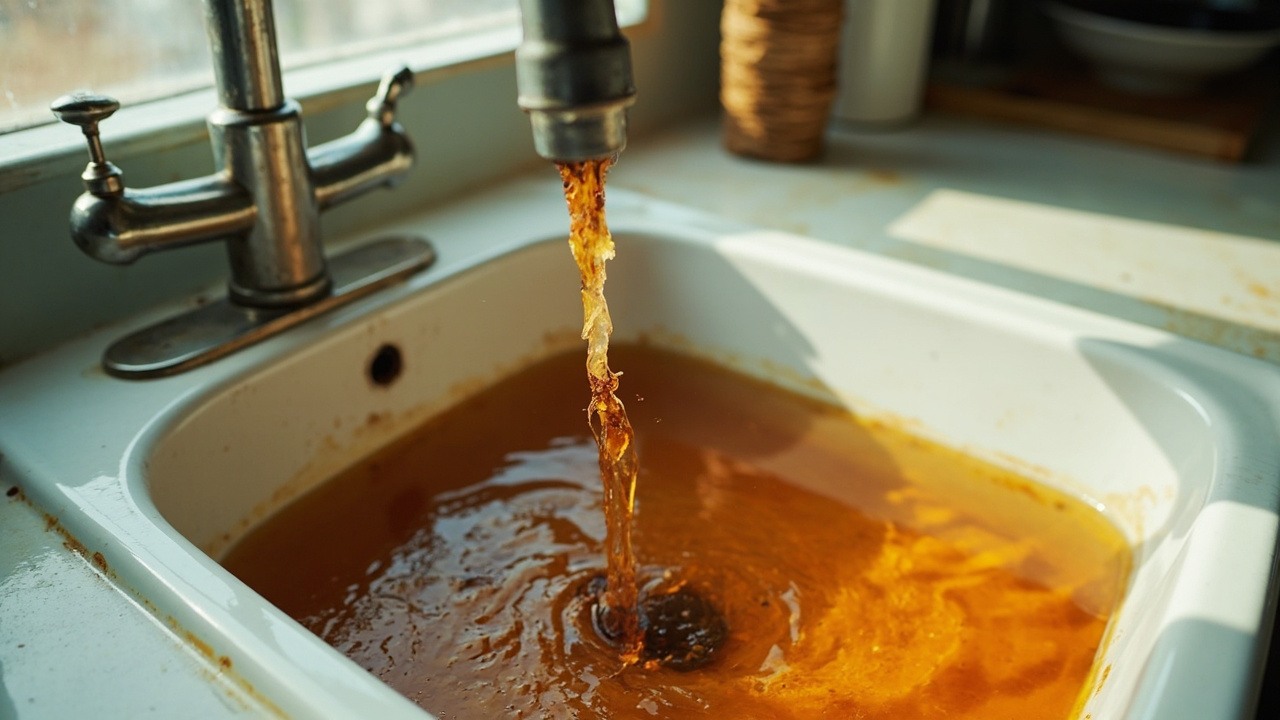
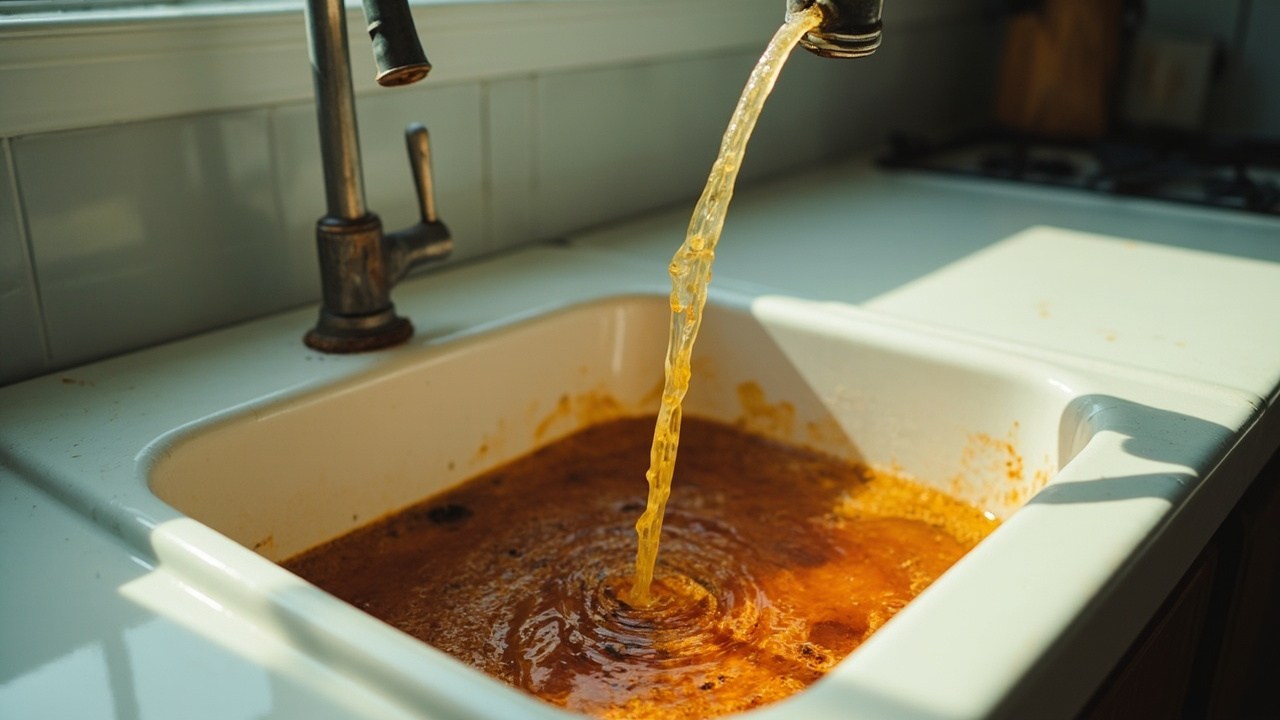
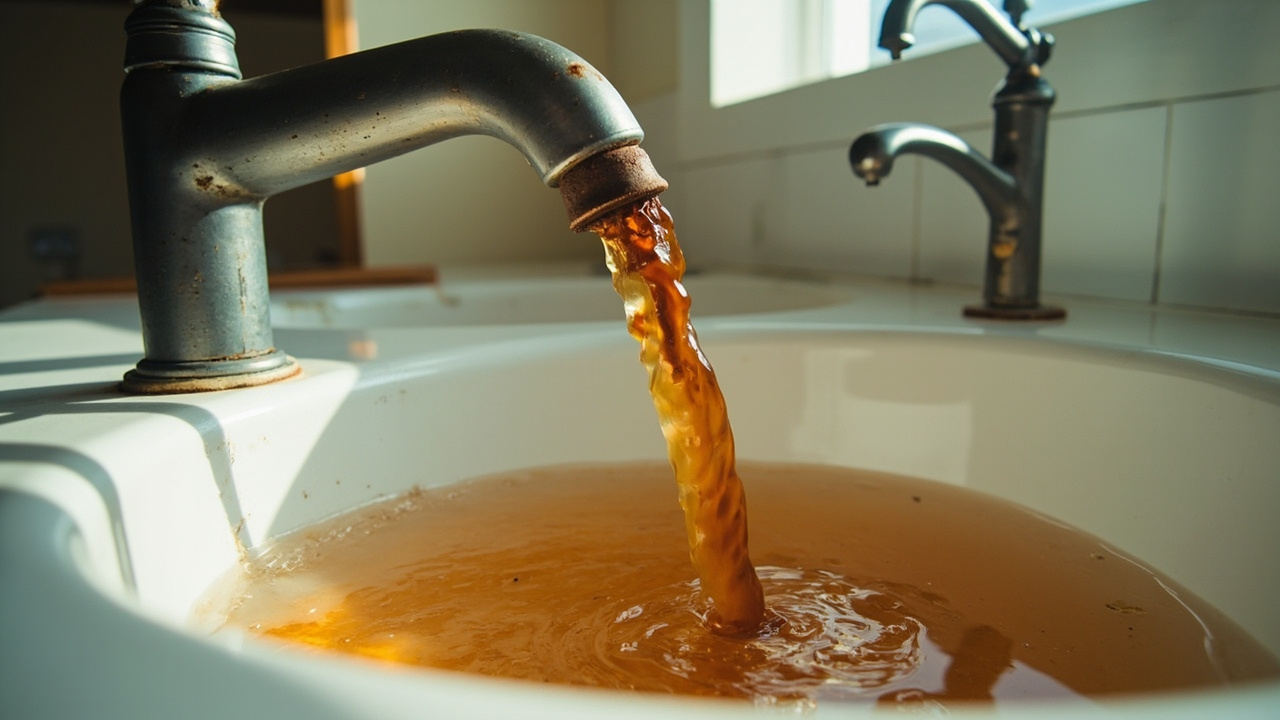
You turn on the tap and see brown tap water. Or maybe the water runs yellow from the faucet first thing in the morning. Sometimes the discolored hot water only shows up in certain fixtures. This is not normal, and it signals a real problem.

Seattle's water infrastructure combines modern mains with aging pipe systems, especially in neighborhoods like Queen Anne, Capitol Hill, and Fremont. When the city performs routine flushing or pressure changes occur, sediment from older iron mains can dislodge and travel into your home. But external sources are only part of the story.

Inside your home, reddish water from pipes points to corrosion. Seattle's naturally soft water is slightly acidic, which accelerates the breakdown of galvanized steel pipes and older copper systems. If your house was built before 1960, chances are high that the original galvanized supply lines are corroding from the inside out. The rust you see is iron oxide leaching into your water supply.

Rusty colored water is not just an aesthetic problem. It stains fixtures, damages appliances, and can harbor bacteria in the biofilm that forms on corroded pipe interiors. If you only see discoloration from the hot side, the issue is likely your water heater. Sediment buildup and anode rod failure allow the tank lining to corrode, releasing rust particles into your hot water lines.

The Pacific Northwest's mineral content varies by neighborhood. Homes closer to Lake Washington or in areas with well water supplements face different challenges than those on pure city supply. Understanding your specific water source and pipe material is the first step to solving discolored water for good.

Why Seattle Homes Experience Discolored and Rusty Water
How We Identify and Eliminate the Source of Discolored Water

How We Identify and Eliminate the Source of Discolored Water

Discolored water has multiple causes, and guessing wastes your time and money. We start with a systematic diagnostic approach to pinpoint the exact source.

First, we test at the point of entry. We check if the discoloration is coming from the municipal supply or originating inside your plumbing. If city water is clear but your taps run brown, the problem is internal. We then isolate hot from cold. If only the hot side shows discoloration, we inspect the water heater for sediment accumulation, anode rod condition, and tank integrity.

When cold water runs rusty or yellow, we trace the supply lines. Galvanized pipes corrode predictably. We use a borescope to inspect pipe interiors without invasive demolition. We also check for galvanic corrosion where dissimilar metals meet, which is common in homes with mixed copper and steel fittings.

We test water samples for iron content, pH, and total dissolved solids. High iron levels confirm pipe degradation. Low pH indicates acidic water that accelerates corrosion. These metrics guide our repair strategy.

If the issue is sediment from city mains, we install a whole-house sediment filter at the point of entry. This traps particulates before they reach your fixtures. If the problem is corroded supply lines, we recommend targeted or whole-home repiping with PEX or copper, depending on your budget and home layout.

For water heater issues, we flush the tank, replace the sacrificial anode rod, or recommend replacement if the tank lining has failed. We also adjust temperature settings to reduce sediment formation. Every solution is tailored to what we find, not a one-size-fits-all prescription.

What Happens When You Call Us About Discolored Water

Discolored or Rusty Water in Seattle – Expert Diagnosis and Permanent Solutions
01

Immediate Water Testing

We arrive and test your water at multiple points in the home. We check the main shutoff, the water heater, and affected fixtures. We document color, clarity, and flow. We also test pH and iron concentration on-site using field kits. This tells us if the problem is localized or systemic and whether it originates from the city supply or your internal plumbing.
02

Pipe and Fixture Inspection

We inspect visible supply lines, shutoff valves, and pipe connections. We look for corrosion, leaks, and material degradation. If needed, we use a camera scope to inspect pipe interiors without cutting into walls. We check aerators and faucet screens for rust buildup. We also drain and inspect your water heater tank for sediment and corrosion. This step identifies the root cause.
03

Tailored Repair and Prevention

Based on what we find, we present your options. If it is a city issue, we coordinate with Seattle Public Utilities and install filtration. If it is internal corrosion, we replace the affected sections or recommend whole-home repiping. We flush water heaters, replace anode rods, or install new tanks as needed. You get clean, clear water and a long-term fix, not a temporary patch.

Why Seattle Homeowners Trust Horizon Plumbing for Water Quality Issues

Water quality problems require local knowledge. Seattle's plumbing systems are a mix of original infrastructure and modern retrofits. Homes in Ballard, Wallingford, and the Central District often have galvanized pipes installed in the 1940s and 1950s. These lines are now at the end of their service life. Understanding the typical construction methods and pipe materials used in each neighborhood helps us diagnose faster and recommend the right fix.

We also understand Seattle's water supply. The city sources water from the Cedar River and South Fork Tolt River watersheds. This water is naturally soft and slightly acidic, which means it is less likely to leave mineral deposits but more likely to corrode certain pipe materials over time. Homes on private wells in areas like Magnolia or near Lake Washington face different challenges, including iron bacteria and sediment from aquifer minerals.

We work within Seattle's plumbing codes and permit requirements. Any repiping or water heater replacement must meet current standards, including backflow prevention, earthquake bracing, and proper venting. We handle the permits and inspections so you do not have to navigate the city bureaucracy.

Our diagnostic approach saves you money. We do not sell you a whole-home repipe if a water heater flush and anode rod replacement will solve the problem. We do not install unnecessary filtration systems. We tell you what is wrong and what it will take to fix it. You make the decision based on accurate information.

Seattle homeowners call us because we show up on time, we explain what we find, and we fix it right the first time. Discolored water is not something you should live with, and it is not something you should ignore.

What You Can Expect When We Address Your Discolored Water Problem

Fast Response and Scheduling

We prioritize water quality issues because we know they affect your daily life. When you call, we schedule a diagnostic visit within 24 to 48 hours in most cases. If your water is completely unusable or you suspect contamination, we can often arrive the same day. We provide a clear arrival window and call ahead so you are not left waiting. Our goal is to identify the problem quickly and get you back to clean, safe water as fast as possible.

Thorough Diagnostic Process

We do not guess. We test, inspect, and verify. We check water quality at the meter, the water heater, and multiple fixtures. We inspect visible pipes and use camera equipment when needed. We explain what we find in plain language and show you the evidence. You get a written assessment that outlines the problem, the cause, and the recommended solution. If multiple options exist, we explain the pros and cons of each so you can make an informed decision.

Lasting Repair and Clean Water

Once we complete the repair, whether it is a water heater service, pipe replacement, or filtration installation, we test the water again to confirm the discoloration is gone. We check flow, pressure, and clarity at all affected fixtures. We clean up the work area and haul away any old equipment. You get clear, clean water that stays that way. We do not leave until you are satisfied with the result and confident in the repair.

Follow-Up and Maintenance Guidance

After the repair, we provide maintenance recommendations to prevent future issues. If we replaced pipes, we explain how to protect the new system. If we serviced your water heater, we tell you when to schedule the next flush and anode rod check. If we installed filtration, we provide a filter replacement schedule. We are available for follow-up questions and annual maintenance visits. Keeping your water clear is an ongoing process, and we are here to support that.

Frequently Asked Questions

You Have Questions,
We Have Answers

Is discolored water safe to drink? +

Discolored water is not safe to drink until you identify the source. If the discoloration comes from corroded pipes or sediment buildup, trace amounts of iron or manganese may be present. While iron is not toxic in small amounts, the water can harbor bacteria or heavy metals. In Seattle, older homes built before 1960 often have galvanized pipes that corrode over time. Run your cold water for a few minutes. If it clears, the issue is likely in your home's plumbing. If it stays brown, contact Seattle Public Utilities to check the main lines. Do not drink discolored water until a professional confirms the cause.

How to tell if water is rusty? +

Rusty water appears reddish-brown, orange, or yellowish. Fill a clear glass and hold it against white paper. True rust-colored water indicates iron oxide from corroded pipes. You may also notice a metallic taste or smell. In Seattle homes with aging galvanized piping, rust accumulates inside the lines and breaks free during high water pressure events. Check if the discoloration occurs only from hot water, which points to water heater sediment buildup. If both hot and cold taps run rusty, your supply lines are corroding. Run the tap for five minutes. If the color persists, call a plumber to inspect your pipes.

Is it safe to drink rusty tap water? +

Drinking rusty tap water is not recommended. While iron oxide is not acutely toxic, rusty water signals corroded pipes that can leach lead, copper, or harbor bacteria. Seattle's slightly acidic water can accelerate corrosion in older galvanized or copper piping. If you consume rusty water regularly, you risk gastrointestinal upset or long-term heavy metal exposure. Do not use rusty water for drinking, cooking, or preparing baby formula. Run your cold tap for several minutes. If the rust color persists, stop using it and contact a licensed plumber to test your water and inspect your supply lines. Use bottled water until the issue resolves.

What does discolored water mean? +

Discolored water signals a problem in your plumbing system or municipal supply. Brown or yellow water means iron, manganese, or sediment is entering your lines. In Seattle, discoloration often follows water main breaks, hydrant flushing, or construction work that stirs up sediment in aging cast iron mains. Inside your home, corroded galvanized pipes or water heater sediment cause discoloration. Black water can indicate manganese or deteriorating rubber gaskets. If only hot water is discolored, the issue is your water heater. If both hot and cold are affected, inspect your supply lines or contact Seattle Public Utilities to check the main.

Should I call a plumber for brown water? +

Yes, call a plumber if brown water persists after running your taps for five minutes. Temporary discoloration after water main work is normal in Seattle, but ongoing brown water signals corroded pipes, sediment buildup, or water heater failure. A plumber will inspect your galvanized supply lines, check your water heater for rust and sediment, and test your water quality. Homes in Seattle built before 1970 often have galvanized piping that corrodes from the inside out. If the brown water only comes from hot taps, your water heater needs flushing or replacement. Do not ignore brown water. It can damage appliances and fixtures.

Can I shower in discoloured water? +

You can shower in discolored water if the discoloration is from iron or manganese sediment, but it is not ideal. Rusty water can stain your skin, hair, tub, and grout. If the discoloration comes from bacterial growth or heavy metals, you risk skin irritation or worse. In Seattle, after water main work or hydrant flushing, running discolored water for several minutes clears the sediment. If the water stays brown, do not shower until you identify the cause. Check if only hot water is discolored, which points to your water heater. If both hot and cold are affected, call a plumber to inspect your piping.

What are the first signs of water poisoning? +

Water poisoning from contaminated tap water causes nausea, vomiting, diarrhea, abdominal cramps, and headache. Symptoms appear within hours of ingestion. If the water contains bacteria like E. coli or parasites, you may also experience fever and fatigue. Heavy metal contamination from corroded pipes can cause metallic taste, dizziness, or confusion. In Seattle, if you suspect contaminated water after drinking discolored tap water, stop using it and seek medical attention. Contact Seattle Public Utilities to report the issue and request water testing. Do not resume drinking water until a professional confirms it is safe. Use bottled water for all consumption and cooking.

What does rust look like in water? +

Rust in water appears as reddish-brown, orange, or yellow sediment. You may see visible flakes or particles floating in the water or settling at the bottom of a glass. Hold a clear glass of water against white paper to check the color. Rusty water often leaves orange or brown stains on sinks, tubs, and toilets. In Seattle homes with galvanized piping, rust accumulates inside the pipes and breaks free during pressure changes or water main work. If you see rust particles, your supply lines are corroding. A plumber can inspect your piping and recommend repiping or filtration solutions.

What makes water look rusty? +

Water looks rusty when iron oxide from corroded pipes enters your supply. Galvanized steel piping, common in Seattle homes built before 1970, corrodes from the inside out. As the protective zinc coating deteriorates, the steel rusts and flakes into your water. Aging water heaters also accumulate sediment and rust that discolors hot water. Municipal water mains made from cast iron can corrode and cause discoloration after breaks or maintenance work. Seattle's slightly acidic water accelerates pipe corrosion. If your water looks rusty, identify whether it affects hot, cold, or both taps. Call a plumber to inspect your pipes and water heater.

Why is my tap water suddenly brown? +

Sudden brown water means sediment or rust entered your supply. In Seattle, common causes include water main breaks, hydrant flushing, construction work, or sudden pressure changes that stir up sediment in aging mains. Inside your home, galvanized pipes corrode and release rust when pressure changes. If only hot water is brown, sediment buildup or a failing anode rod in your water heater is the cause. Run your cold tap for five minutes. If the water clears, the issue was temporary. If it stays brown, call a plumber to inspect your supply lines and water heater. Do not drink brown water.

How Seattle's Acidic Water Supply Accelerates Pipe Corrosion and Discolored Water

Seattle's water comes from protected mountain watersheds, which means it is low in minerals and slightly acidic. While this makes for great-tasting drinking water, it also means the water is more corrosive to certain pipe materials. Galvanized steel, which was the standard for supply lines in homes built before the 1970s, corrodes faster in acidic water. As the zinc coating wears away, the underlying steel rusts, releasing brown tap water and reddish water from pipes. Homes in older neighborhoods like Ravenna, Greenwood, and West Seattle are especially prone to this problem. The longer the pipes have been in service, the thinner the walls and the more likely you are to see rusty colored water.

Understanding Seattle's specific water chemistry and pipe history is critical to solving discolored water problems. Horizon Plumbing Seattle has worked in every neighborhood across the city, from the hillside homes in Queen Anne to the bungalows in Columbia City. We know which areas have the oldest infrastructure and which pipe materials are most at risk. We also stay current with Seattle's plumbing code updates and work closely with Seattle Public Utilities when city-side issues contribute to water discoloration. Choosing a local plumber who understands the unique conditions in Seattle means you get the right diagnosis and the right fix, not a generic solution that does not address the real cause.

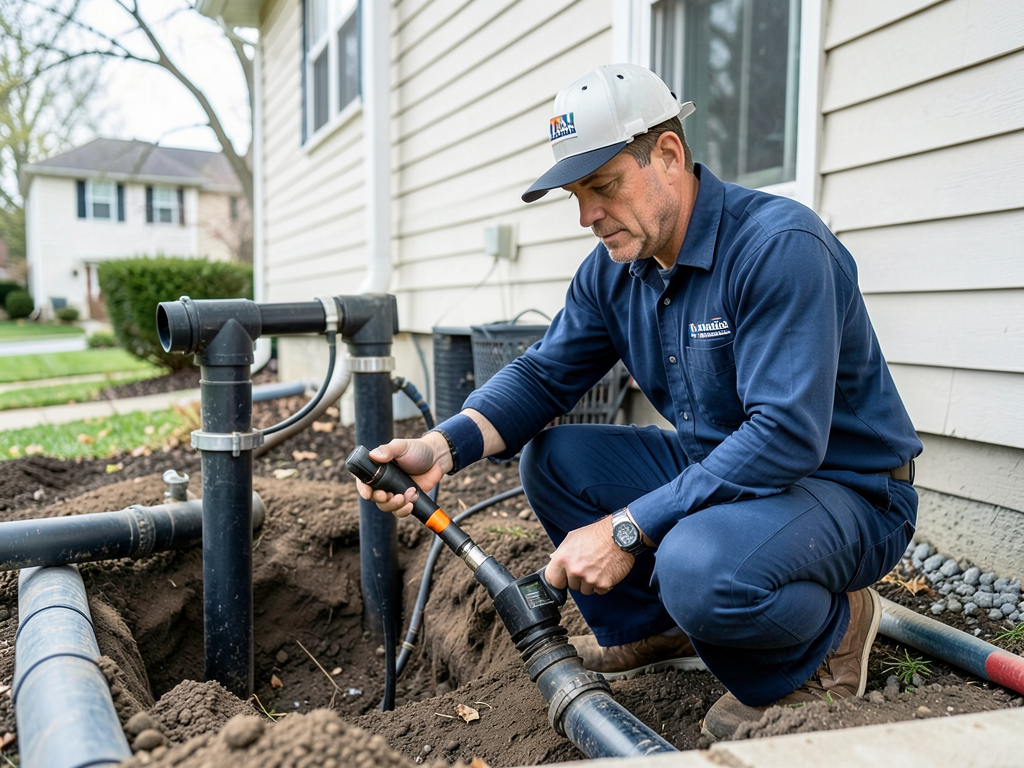
Plumbing Services in The Seattle Area

Horizon Plumbing Seattle proudly serves the entire Seattle metropolitan area and surrounding communities. We invite users to view our service area map to confirm that your home or business falls within our coverage zone, ensuring we can deliver fast, reliable service right to your doorstep. Our professional team is strategically located to offer prompt dispatch, whether you're in the heart of downtown or the outlying neighborhoods. Call us to confirm coverage and schedule your expert plumbing appointment today; we look forward to serving you with confidence and a warm welcome.

Address:
Horizon Plumbing Seattle, 1515 Dexter Ave N, Seattle, WA, 98109

Additional Services We Offer

Our news updates

Latest Articles & News from The Blogs

Is Your Garbage Disposal Safe for the Septic System at Your Rural King County Property? If you live in a…

Is Your Garbage Disposal Safe for the Septic System at Your Rural King County Property?

Is Your Garbage Disposal Safe for the Septic System at Your Rural King County Property? If you live in a…

Why You Should Consider a Pressure Reducing Valve for Your Phinney Ridge Home

Why You Should Consider a Pressure Reducing Valve for Your Phinney Ridge Home Living in Phinney Ridge means dealing with…

The Real Difference Between a Main Line Clog and a Simple Sink Drain Issue

The Real Difference Between a Main Line Clog and a Simple Sink Drain Issue \n\n Water backing up in your…

Contact Us

Discolored water is not something you should tolerate. Call Horizon Plumbing Seattle at (564) 220-5552 to schedule a diagnostic visit. We will find the source, explain your options, and restore clean, safe water to your home.