



menu

Mold in Bathroom Cabinets in Seattle – Stop Hidden Growth Before It Spreads Through Your Home

Expert plumbing diagnostics identify the moisture source behind mold in bathroom cabinets, stopping bathroom vanity mold and protecting your Seattle home from structural damage and health risks.

Slider Image 1
Slider Image 2
Slider Image 3
Slider Image 4
Slider Image 5
Slider Image 7
Slider Image 8
Slider Image 9
Slider Image 10
Slider Image 11

Seattle's Rain-Soaked Homes Hide a Moldy Secret Under Your Sink

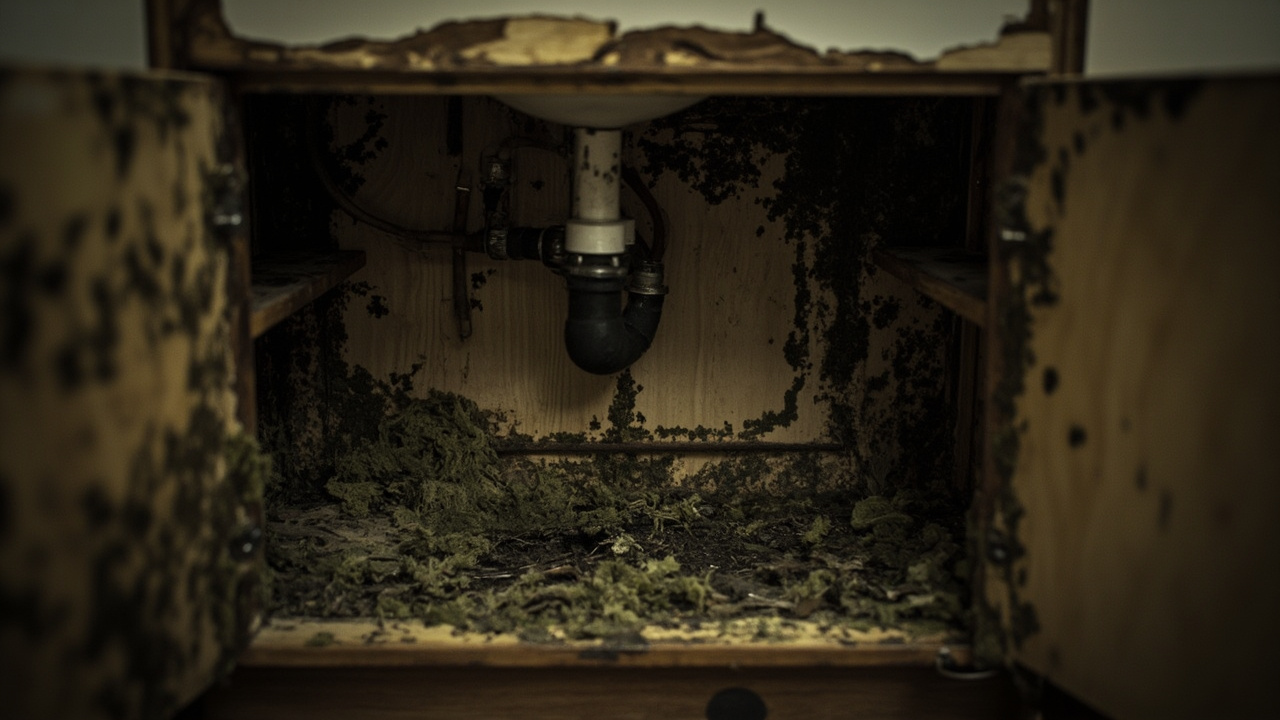
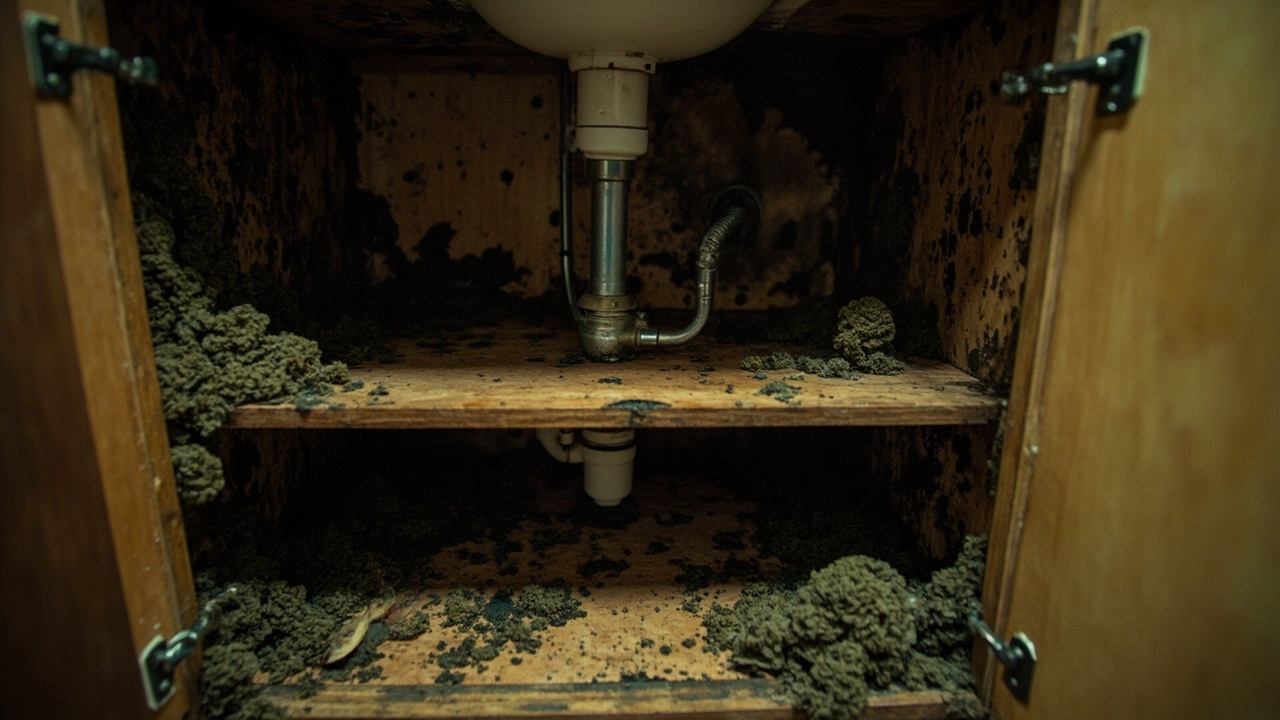
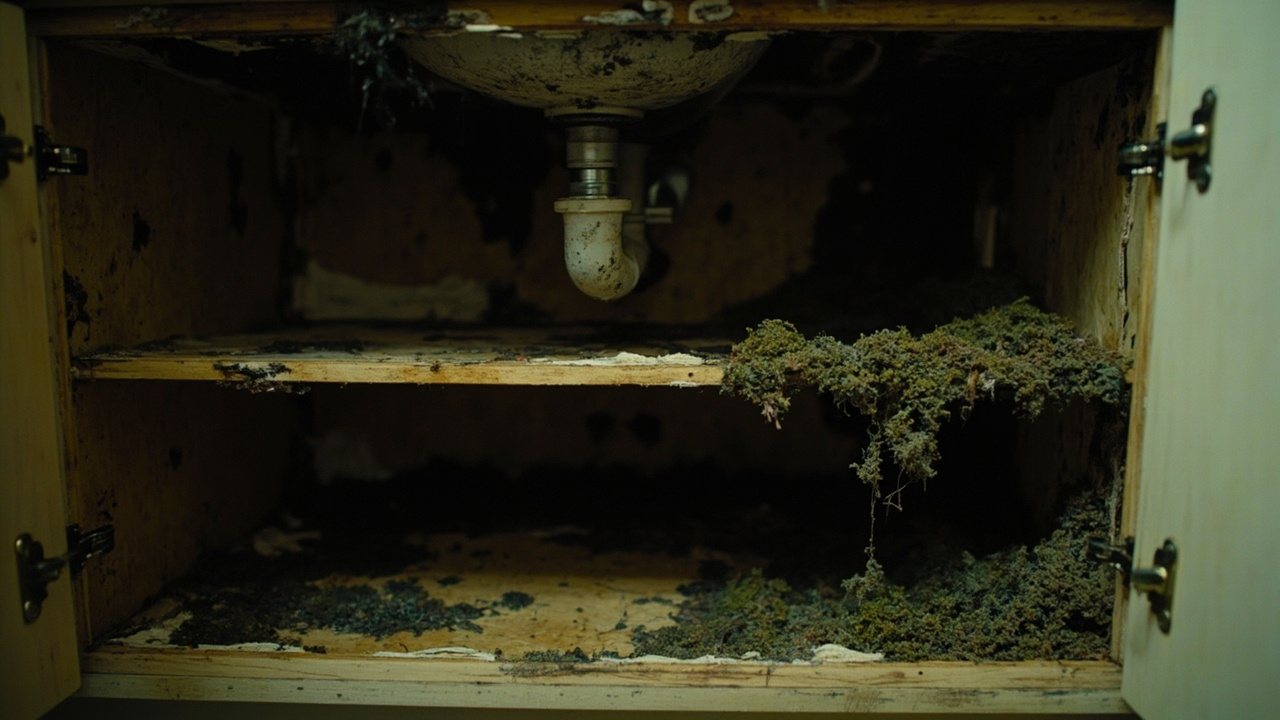
You open the cabinet under your bathroom sink and smell it. That earthy, damp odor. You spot dark specks creeping up the back panel or fuzzy patches spreading across the vanity base. Mold in bathroom cabinets is not just unsightly. It signals a plumbing problem that will only worsen if ignored.

Seattle's infamous rainfall and cool, damp winters create perfect conditions for mildew in bathroom cabinets. Our region averages 150 rainy days per year. That persistent moisture seeps into older homes in neighborhoods like Ballard and Wallingford, where original plumbing systems and inadequate ventilation trap humidity inside vanity enclosures. When a slow drainpipe leak or failed sink trap allows water to pool inside your cabinet, mold growth inside vanity spaces accelerates.

Bathroom cupboard mold thrives in dark, enclosed spaces. The confined area under your sink provides minimal airflow. If you have a pinhole leak in your supply line, a compromised wax ring on your toilet flange, or sweating pipes due to poor insulation, water vapor condenses on interior cabinet surfaces. Within 24 to 48 hours, mold spores colonize. Within weeks, you face staining, wood rot, and potential respiratory irritation for anyone in your household.

Mold under bathroom sink cabinets often indicates a hidden plumbing failure. A corroded P-trap, a cracked coupling, or a loose compression fitting can drip steadily without ever creating a puddle on your floor. By the time you notice bathroom vanity mold, the leak may have been active for months. That unseen moisture damages subflooring, drywall, and cabinet structure. You cannot scrub away the problem. You must eliminate the moisture source.

Seattle's Rain-Soaked Homes Hide a Moldy Secret Under Your Sink
How We Trace the Water Source and Eliminate Cabinet Mold Permanently

How We Trace the Water Source and Eliminate Cabinet Mold Permanently

Surface cleaning removes visible mold but does nothing to stop the leak feeding it. Horizon Plumbing Seattle uses a methodical diagnostic approach to identify the exact plumbing failure causing mold growth inside vanity cabinets.

We start with a visual inspection of all supply lines, shut-off valves, drain assemblies, and trap connections under your sink. We check for corrosion, mineral buildup, and loose fittings. We run water through your faucet and observe drainage flow, watching for backups or slow evacuation that indicate partial clogs. We examine the cabinet interior with a moisture meter to map wetness patterns across wood panels and the subfloor. High readings pinpoint where water accumulates.

Next, we pressurize your supply system to reveal slow leaks invisible during normal use. We inspect the drain tailpiece, the slip joint connections, and the trap weir for cracks or improper sealing. In many Seattle homes built before 1990, we find galvanized steel drain pipes corroding from the inside out, creating pinhole leaks that drip intermittently. We also check for condensation issues. If your cold water supply line lacks pipe insulation, humid bathroom air condenses on the copper and drips into the cabinet.

Once we isolate the water source, we execute the repair. We replace corroded fittings, tighten loose connections, or install new trap assemblies. We insulate cold water lines with closed-cell foam sleeves to prevent future condensation. If your vanity drain is improperly vented, causing siphoning and trap seal failure, we correct the venting to maintain proper drainage. We verify all repairs with a pressure test and a visual recheck after 24 hours. Only after the plumbing system is watertight do we recommend mold remediation and cabinet restoration.

What Happens When You Call About Bathroom Cabinet Mold

Mold in Bathroom Cabinets in Seattle – Stop Hidden Growth Before It Spreads Through Your Home
01

Moisture Mapping and Leak Detection

We arrive with moisture meters, inspection cameras, and pressure testing equipment. We measure humidity levels inside your cabinet and use a borescope to inspect hidden areas behind the vanity back panel. We trace supply lines and drain connections to locate the exact leak point. We document findings so you understand what is happening and why mold appeared.
02

Plumbing Repair and System Correction

We replace failed components immediately. This may include new braided supply lines, PVC trap assemblies, shut-off valves, or compression fittings. If your drain system is corroded, we install modern PVC piping. We insulate supply lines to stop condensation. We verify proper venting and slope on drainpipes to prevent standing water that causes recurring leaks.
03

Post-Repair Verification and Prevention

After repairs, we run water through your system and check for leaks. We retest moisture levels 24 hours later to confirm no new water intrusion. We provide guidance on improving bathroom ventilation and recommend installing an exhaust fan if you lack one. We explain maintenance steps like periodic trap inspections and supply line replacement schedules to prevent future mold growth.

Why Seattle Homeowners Trust Local Plumbers for Hidden Mold Issues

Mold remediation companies scrub surfaces. General contractors replace cabinets. But if the plumbing leak persists, mold returns within months. You need a licensed plumber who understands Seattle's unique housing stock and plumbing challenges.

Many Seattle homes in Capitol Hill, Queen Anne, and Fremont were built between 1920 and 1960. These older structures often have cast iron drain stacks, galvanized steel supply lines, and inadequate venting. As these systems age, corrosion creates slow leaks that homeowners never see until mold appears. Horizon Plumbing Seattle has diagnosed hundreds of these hidden failures across King County. We know the common failure points in vintage Seattle plumbing and how to repair them without tearing apart your bathroom.

We also understand Seattle's wet climate demands proactive moisture control. Your bathroom cabinet sits in a high-humidity zone. If your exhaust fan does not vent to the exterior or if you have no fan at all, moisture lingers. We help you identify ventilation deficiencies during our service visit and recommend solutions that comply with current Seattle building codes.

Choosing a local plumber means you get someone familiar with the materials, methods, and code requirements specific to this region. We stock parts for older fixtures common in Seattle homes. We know which drain pipe materials hold up best in our damp climate. We respond quickly when you call because we serve your neighborhood daily.

You also gain a plumber who can coordinate with mold remediation professionals if the infestation is severe. We provide documentation of the plumbing repair, moisture readings, and water source elimination. This information helps remediation teams focus on cleanup rather than guessing where water came from.

What You Can Expect When We Investigate Bathroom Cabinet Mold

Fast Response and Flexible Scheduling

We schedule inspections quickly because mold growth accelerates every day water remains present. Most service visits happen within 24 to 48 hours of your call. We arrive on time with all diagnostic tools ready. The inspection typically takes 30 to 60 minutes depending on your cabinet configuration and plumbing layout. If we identify an active leak, we carry common repair parts on our truck and can often complete the fix the same day. We do not delay repairs. Every hour a leak persists allows more mold colonization and structural damage.

Comprehensive Plumbing Inspection Process

We do not just look at the obvious. We inspect every connection inside your vanity cabinet, including supply line fittings, shut-off valves, drain traps, and tailpieces. We use moisture meters to measure wood panels, subfloors, and adjacent drywall. If moisture readings are elevated but no visible leak is present, we pressure test your supply lines to reveal slow drips. We examine the cabinet exterior and the wall behind your vanity for water staining or soft spots. We explain every finding in plain language so you understand the problem and the necessary repair.

Complete Leak Elimination and Dry Environment

You receive a fully repaired plumbing system with no active water intrusion. We replace corroded fittings, leaking traps, or damaged supply lines with durable components built to last in Seattle's humid environment. We insulate cold water pipes to prevent condensation. We verify proper drainage slope and venting so wastewater flows freely without siphoning your trap seal. After repairs, we test the system and confirm zero moisture intrusion. You can then proceed with mold cleanup knowing the source is eliminated and mold will not return.

Ongoing Maintenance Guidance and Prevention Tips

We provide maintenance recommendations tailored to your specific plumbing setup. If you have older supply lines, we suggest a replacement timeline before they fail. We explain how to inspect your trap for clogs and how to recognize early signs of new leaks. We recommend installing a bathroom exhaust fan if you lack proper ventilation. We also offer annual plumbing inspections to catch small issues before they cause mold or water damage. Our goal is to keep your bathroom dry and your home healthy long after we complete the initial repair.

Frequently Asked Questions

You Have Questions,
We Have Answers

Why is there mold in my bathroom cabinet? +

Mold grows in your bathroom cabinet because moisture gets trapped inside. Seattle's high humidity, poor ventilation, and leaky pipes under the sink create perfect conditions. When warm, damp air meets cool cabinet surfaces, condensation forms. Water splashing near the sink or small plumbing leaks you cannot see add more moisture. Cabinets stay dark and closed, so air does not circulate. Wood and drywall absorb water, and mold spores already in your home find a food source. Check for dripping pipes, improve airflow, and wipe down interior surfaces regularly to prevent growth.

Will mold go away if it dries out? +

No, mold does not go away when it dries out. Drying stops active growth temporarily, but dormant spores remain alive on surfaces. When moisture returns, mold reactivates and spreads fast. Seattle's wet climate means humidity returns quickly, especially in bathrooms. Dried mold still releases spores into the air, which can trigger allergies and respiratory issues. You must physically remove mold from surfaces using proper cleaning methods or replacement. Simply drying the area without cleaning leaves the contamination behind. Address the moisture source first, then clean or replace affected materials to fully eliminate the problem.

Is black mold in bathrooms toxic? +

Black mold in bathrooms can be toxic, but not all black mold is the dangerous Stachybotrys chartarum species. Many black-colored molds grow in damp bathrooms and cause allergic reactions, respiratory irritation, or asthma flare-ups. You cannot identify toxic mold by color alone. Seattle's damp environment encourages fast mold growth. If you see black mold covering large areas or smell musty odors, treat it seriously. Avoid disturbing it during cleaning, as spores spread easily. Wear gloves and a mask for small areas. For extensive growth or if you have health concerns, get professional testing and remediation.

What to do if you find mold in cabinets? +

Stop using the cabinet immediately to avoid spreading spores. Identify and fix the moisture source first, whether it is a leaky pipe, poor ventilation, or high humidity. For small patches under three square feet, you can clean non-porous surfaces with detergent and water, then dry completely. Porous materials like wood or drywall often need replacement because mold roots penetrate deep. Seattle's persistent dampness means mold returns fast if you skip the source repair. Improve airflow by opening doors or adding ventilation. For large areas, health concerns, or recurring growth, contact a mold remediation specialist to assess hidden damage.

Why Seattle's Year-Round Humidity Makes Bathroom Cabinet Mold So Persistent

Seattle's marine climate keeps humidity elevated nearly year-round. Average relative humidity hovers between 70 and 80 percent, especially from October through April. This constant dampness seeps into your home, and bathrooms experience the highest moisture load. When you add a plumbing leak inside a cabinet, the enclosed space becomes a mold incubator. Older Seattle homes in neighborhoods like Greenwood and Ravenna often lack adequate exhaust ventilation because building codes were less stringent decades ago. Without proper airflow, moisture lingers inside vanity cabinets. Mildew in bathroom cabinets spreads rapidly across wood surfaces, and bathroom cupboard mold colonizes before you realize a leak exists.

Seattle building codes now require bathroom exhaust fans vented to the exterior, but many older homes remain grandfathered under outdated standards. Local plumbers understand these code transitions and can recommend compliant upgrades during a service visit. Horizon Plumbing Seattle works daily across King County, from downtown Seattle to neighborhoods along Lake Washington. We see the same plumbing failure patterns in similar housing stock. That experience allows us to diagnose bathroom vanity mold issues faster and recommend repairs that align with Seattle's climate and code requirements. Choosing a local plumber means you get solutions tailored to your home's specific challenges, not generic advice from a national chain.

Plumbing Services in The Seattle Area

Horizon Plumbing Seattle proudly serves the entire Seattle metropolitan area and surrounding communities. We invite users to view our service area map to confirm that your home or business falls within our coverage zone, ensuring we can deliver fast, reliable service right to your doorstep. Our professional team is strategically located to offer prompt dispatch, whether you're in the heart of downtown or the outlying neighborhoods. Call us to confirm coverage and schedule your expert plumbing appointment today; we look forward to serving you with confidence and a warm welcome.

Address:
Horizon Plumbing Seattle, 1515 Dexter Ave N, Seattle, WA, 98109

Additional Services We Offer

Our news updates

Latest Articles & News from The Blogs

Is Your Garbage Disposal Safe for the Septic System at Your Rural King County Property? If you live in a…

Is Your Garbage Disposal Safe for the Septic System at Your Rural King County Property?

Is Your Garbage Disposal Safe for the Septic System at Your Rural King County Property? If you live in a…

Why You Should Consider a Pressure Reducing Valve for Your Phinney Ridge Home

Why You Should Consider a Pressure Reducing Valve for Your Phinney Ridge Home Living in Phinney Ridge means dealing with…

The Real Difference Between a Main Line Clog and a Simple Sink Drain Issue

The Real Difference Between a Main Line Clog and a Simple Sink Drain Issue \n\n Water backing up in your…

Contact Us

Mold in bathroom cabinets will not resolve itself. Every day you wait allows more damage and health risk. Call Horizon Plumbing Seattle at (564) 220-5552 for fast, precise leak detection and permanent plumbing repair. We serve all Seattle neighborhoods.