
Switching to a Heat Pump Water Heater in Wallingford (Is it worth the investment?)
Heat pump water heaters can cut your water heating costs by up to 60% in Seattle’s mild climate. For Wallingford homeowners facing rising utility bills and Seattle’s push toward electrification, these systems offer real savings when you stack federal tax credits with Seattle City Light rebates. The question isn’t just about energy efficiency – it’s about whether your home can support the electrical requirements and if the long-term savings justify the upfront investment in your specific Wallingford property. Seattle City Light heat pump water heater rebates.
Why Seattle Homeowners are Switching to Heat Pump Water Heaters
Heat pump water heaters work by extracting heat from the surrounding air rather than generating it directly. In Seattle’s moderate climate, they operate at peak efficiency year-round, achieving Uniform Energy Factor (UEF) ratings of 3.0 or higher compared to 0.6-0.8 for standard electric tanks. This means for every dollar you spend on electricity, you get three dollars worth of hot water.. Read more about Dealing with Hard Water in Bothell (Do You Really Need a Water Softener?).
Wallingford homes built before 1990 often have aging gas water heaters that are approaching their 10-12 year lifespan. When these units fail, homeowners face a choice: replace with another gas unit or upgrade to a heat pump system that aligns with Seattle’s building electrification goals. The mild, damp winters in Wallingford actually benefit heat pump performance since these units don’t struggle in freezing temperatures like they would in colder regions.. Read more about PEX vs Copper Repiping for Older Phinney Ridge Homes.
The noise factor matters in Wallingford’s older homes where water heaters often sit in utility closets near living spaces. Modern heat pump units operate at 50-55 decibels – about the sound level of a quiet conversation. This is significantly quieter than older models that could reach 65-70 decibels.
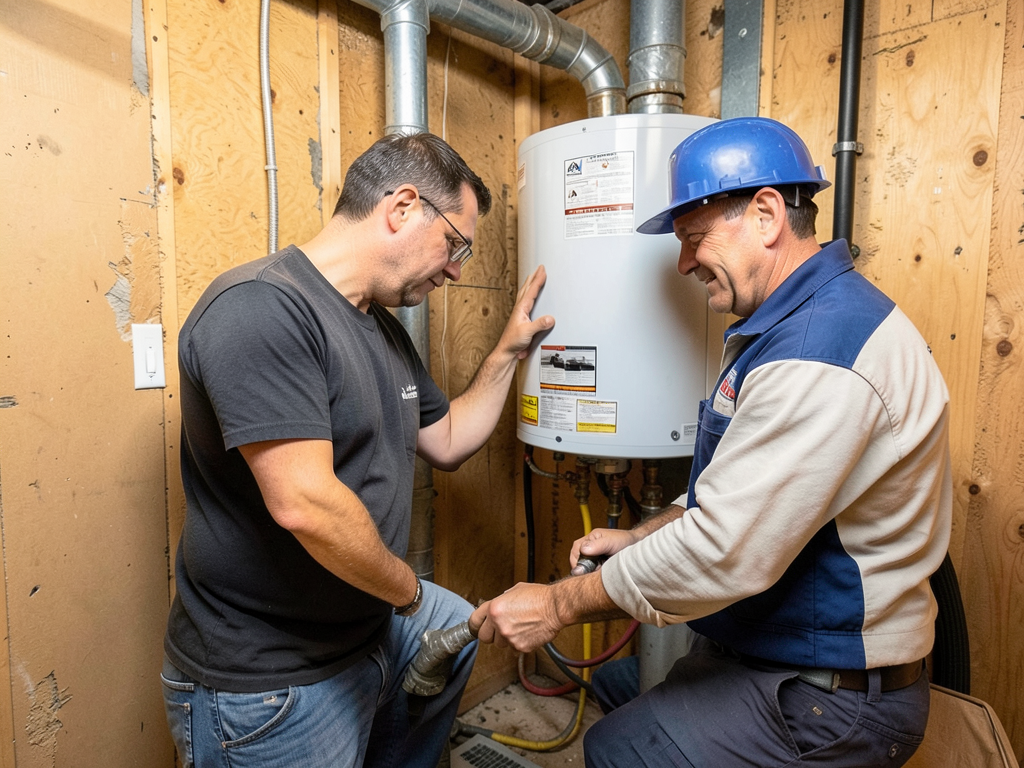
A technician installing a heat pump water heater in a Wallingford basement, showing the condensate drain line and electrical connections.
Seattle City Light & PSE Rebates for Heat Pump Water Heaters
Seattle City Light offers instant rebates of $450-$750 for qualifying heat pump water heaters, depending on the unit’s efficiency rating. Puget Sound Energy (PSE) customers in areas like Wallingford can receive additional rebates of up to $300 through their energy efficiency programs. These rebates are applied at the point of sale through participating retailers and contractors.
The federal 25C tax credit provides 30% of the installed cost up to $2,000 for heat pump water heaters placed in service in 2026. This credit applies to both the equipment and installation labor, making the total investment more manageable for Wallingford homeowners. Federal 25C tax credit for heat pump water heaters.
Washington State Energy Code (WSEC) Chapter 51-11 now requires electric resistance water heaters to meet minimum efficiency standards that effectively push new installations toward heat pump technology. This code applies to all new construction and major renovations in Seattle, including Wallingford’s many older homes undergoing updates.
Stacking these incentives can reduce your net cost by $2,500-$3,500 depending on your specific situation. For a typical 50-gallon unit that costs $2,500-$3,500 installed, the effective price after rebates and tax credits can drop to $1,000-$1,500.
Our Installation Process for Wallingford Homes
Heat pump water heater installation in Wallingford requires specific considerations due to the area’s mix of architectural styles and varying home ages. Most installations follow these steps:
- Site Assessment
We evaluate your current water heater location, electrical panel capacity, and available space. Wallingford homes often require creative solutions for condensate drainage since many lack floor drains.
- Electrical Panel Evaluation
Heat pump water heaters need a dedicated 240V circuit with 30-amp capacity. Homes built before 1980 may need electrical panel upgrades to handle the load.
- Condensate Management
These units produce 2-3 gallons of condensate daily that must drain properly. We install condensate pumps when gravity drainage isn’t possible – common in Wallingford’s raised foundation homes.
- Old Unit Removal
We disconnect and remove your existing water heater, properly recycling components according to Washington State regulations.
- Installation and Testing
The new unit is mounted, connected to plumbing and electrical, and tested for proper operation. We verify temperature settings and explain the control interface. Plumbing Bothell.
- Final Inspection
We conduct a final check to ensure all connections meet Seattle building codes and that the unit is operating at peak efficiency.
Most Wallingford installations take 4-6 hours and require pulling a King County plumbing permit. The process includes pressure testing and inspection to ensure compliance with Seattle’s strict building standards. Plumbing Burien.
The Best Heat Pump Water Heater Brands for PNW Homes
Not all heat pump water heaters perform equally in Seattle’s climate. Here’s how the top brands compare for Wallingford installations:
| Brand & Model | UEF Rating | Available Sizes | Noise Level | Best For |
|---|---|---|---|---|
| Rheem ProTerra | 3.45 | 40, 50, 65, 80 gallons | 51 dB | Whole-house use |
| A.O. Smith Voltex | 3.24 | 50, 66, 80 gallons | 49 dB | Energy efficiency |
| Bradford White AeroTherm | 3.15 | 50, 66 gallons | 50 dB | Compact spaces |
Rheem ProTerra units lead in efficiency for Seattle’s climate, operating effectively in ambient temperatures as low as 37°F. The 80-gallon model works well for Wallingford homes with 4+ occupants or those with high hot water demand.
A.O. Smith Voltex offers the quietest operation, making it ideal for installations in finished basements or near bedrooms. The 66-gallon model provides excellent capacity for medium-sized households.
Bradford White AeroTherm units feature a smaller footprint, perfect for Wallingford’s older homes with limited utility space. The 50-gallon model fits in tight areas while still providing adequate hot water for 2-3 person households.
Space and Clearance Requirements for Heat Pump Water Heaters
Heat pump water heaters need adequate airflow to operate efficiently. The Northwest Energy Efficiency Alliance recommends at least 750 cubic feet of space for optimal performance. In Wallingford’s older homes with smaller utility rooms, this requirement often means installing the unit in a garage or larger basement area.
Minimum clearances include 6 inches from side walls, 12 inches from the top, and 24 inches of front clearance for service access. These units are typically 60-75 inches tall and 22-28 inches in diameter, larger than standard electric water heaters.
Temperature rise matters in Wallingford’s climate. The units perform best in spaces that stay above 50°F year-round. Cold garages can reduce efficiency by 15-20% during winter months, though they still outperform standard electric heaters.
Condensate disposal requires planning. The acidic condensate (pH 3-4) needs proper drainage to avoid damaging concrete or flooring. We install neutralizer kits when necessary to protect your home’s infrastructure.
Cost Comparison: Heat Pump vs. Traditional Water Heaters
The initial cost difference between heat pump and traditional water heaters can be significant, but the operating costs tell a different story over time. Here’s what Wallingford homeowners can expect:
| Water Heater Type | Initial Cost (Installed) | Annual Operating Cost | 10-Year Cost |
|---|---|---|---|
| Standard Electric | $1,200-$1,500 | $450-$550 | $5,700-$6,500 |
| Gas Storage | $1,500-$2,000 | $300-$400 | $4,500-$5,500 |
| Heat Pump | $2,500-$3,500 | $150-$200 | $3,500-$4,000 |
Heat pump water heaters cost $1,000-$2,000 more upfront but save $250-$350 annually on electricity. The payback period is typically 3-4 years, after which you continue saving for the unit’s 10-15 year lifespan.
Seattle’s electricity rates average 11-13 cents per kilowatt-hour, making heat pumps particularly cost-effective here compared to areas with higher rates. The mild climate also means these units rarely need to switch to electric resistance backup mode.
Maintenance Requirements for Heat Pump Water Heaters
Heat pump water heaters require different maintenance than traditional units. The air filter needs cleaning every 3-6 months to maintain efficiency. A clogged filter can reduce performance by 20% and increase operating costs.
The condensate drain line should be checked annually for blockages. In Wallingford’s damp climate, algae growth can occur in the drain line, requiring periodic cleaning with a vinegar solution.. Read more about Should You Choose a Tank or Tankless Water Heater for Your Woodinville Home?.
Temperature and pressure relief valves need testing annually to ensure they function properly. This safety check is the same as for traditional water heaters but critical for heat pump units due to their higher operating pressures.
The evaporator coils benefit from annual cleaning to remove dust buildup. This improves heat transfer efficiency and extends the compressor’s lifespan. Most Wallingford homeowners can handle basic filter cleaning, but professional maintenance ensures optimal performance.
Common Concerns About Heat Pump Water Heaters
Noise levels concern many Wallingford homeowners. Modern heat pump water heaters operate at 50-55 decibels – quieter than a refrigerator. The sound is a low hum from the compressor and fan, not the loud cycling noise of older models.
Cold air output is another consideration. These units cool and dehumidify the surrounding space as they operate. In a 700-square-foot basement, this can lower the temperature by 3-5 degrees, which may require adjusting your home’s heating strategy.
Recovery time is slightly longer than gas heaters but comparable to standard electric units. A 50-gallon heat pump water heater takes about 2 hours to fully reheat after depletion, compared to 1 hour for a gas unit.
Space requirements often surprise homeowners. The need for 750+ cubic feet of air space means these units won’t fit in small closets like traditional water heaters. This is a key consideration for Wallingford’s many older homes with limited utility space.
Environmental Impact and Energy Independence
Heat pump water heaters significantly reduce your carbon footprint. A typical household switching from a gas water heater to a heat pump can reduce annual CO2 emissions by 1.5-2 tons. In Seattle, where electricity comes primarily from hydroelectric sources, the environmental benefit is even greater. Hydro Jetting vs. Snaking.
These units also reduce dependence on natural gas infrastructure. As Seattle moves toward building electrification to meet climate goals, heat pump water heaters represent a step toward energy independence and resilience.
The energy efficiency of heat pump water heaters means they put less strain on the electrical grid during peak demand periods. This helps Seattle City Light manage load more effectively, particularly during winter months when overall electricity demand is highest.
Is a Heat Pump Water Heater Right for Your Wallingford Home?
Heat pump water heaters make the most sense for Wallingford homes where you plan to stay 5+ years, have adequate space for installation, and want to reduce both energy costs and environmental impact. They’re particularly cost-effective if you’re replacing a gas unit and can take advantage of both federal and local rebates.
The technology works best in homes with reliable electrical service and space for proper ventilation. If your electrical panel is outdated or you have very limited utility space, additional upgrades may be necessary that affect the overall cost-effectiveness. Reliable Commercial Plumbers for South Lake Union Businesses and Restaurants.
Consider your household’s hot water usage patterns. Heat pump water heaters excel in homes with consistent daily usage but may struggle in vacation homes or properties with very intermittent hot water demand.
Call (564) 220-5552 today to schedule your heat pump water heater assessment. We’ll evaluate your Wallingford home’s specific needs, calculate your potential savings, and help you navigate the rebate process to maximize your investment.
Frequently Asked Questions
Do heat pump water heaters work in cold basements?
Yes, but efficiency decreases as temperatures drop below 50°F. Modern units operate effectively down to 37°F, though they may need to switch to electric resistance mode more frequently in very cold spaces. Insulating your basement can improve performance.
How long do heat pump water heaters last?
Heat pump water heaters typically last 10-15 years with proper maintenance. The compressor is the most critical component, and units with good warranties (6-10 years) often indicate higher quality construction. Regular filter cleaning and annual professional maintenance extend lifespan.
Can I install a heat pump water heater myself?
No, heat pump water heater installation requires electrical work, plumbing connections, and knowledge of building codes. In Seattle, you must pull a permit and have the installation inspected. Improper installation can void warranties and create safety hazards. Always use a licensed professional.
What size heat pump water heater do I need?
For most Wallingford homes, a 50-gallon unit serves 2-3 people, while 65-80 gallon models accommodate 4+ people or homes with high hot water demand. Consider your peak hour demand – the busiest hour when your household uses the most hot water – when selecting size.
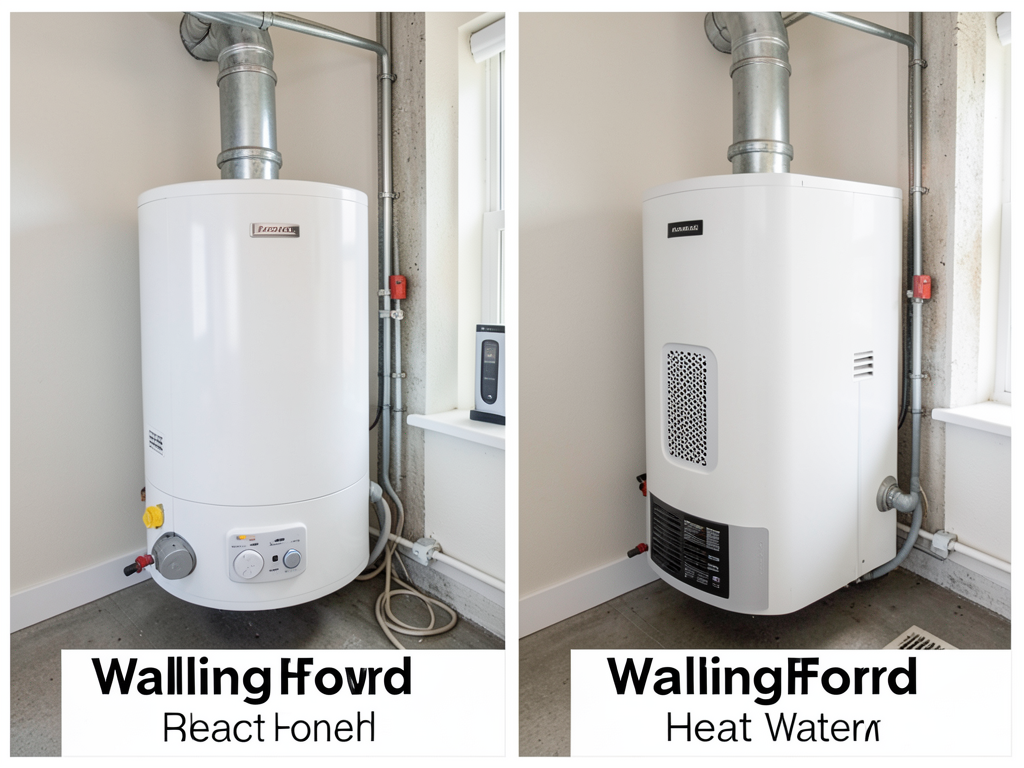
A before-and-after comparison showing a traditional gas water heater replaced with a modern heat pump unit in a Wallingford utility room.
A diagram illustrating how heat pump water heaters extract heat from ambient air and transfer it to water, with efficiency ratings for Seattle’s climate.
You may also find this helpful. Upgrading to Low Flow Fixtures in Roosevelt to Save on Monthly Utility Bills.
You may also find this helpful. Protecting Your Property with Seismic Shut-Off Valves (What Every Seattle Homeowner Needs to Know).
{
“@context”: “https://schema.org”,
“@type”: “BlogPosting”,
“headline”: “Switching to a Heat Pump Water Heater in Wallingford (Is it worth the investment?)”,
“description”: “Discover if a heat pump water heater is right for your Wallingford home. Learn about Seattle rebates, installation requirements, and long-term energy savings in 2026.”,
“wordCount”: 2053,
“datePublished”: “2026-03-06T09:29:00.000Z”,
“dateModified”: “2026-03-06T09:29:00.000Z”,
“inLanguage”: “en-US”,
“mainEntityOfPage”: {
“@type”: “WebPage”,
“@id”: “https://horizonplumbingseattle.com”
},
“publisher”: {
“@type”: “LocalBusiness”,
“name”: “Horizon Plumbing Seattle”,
“url”: “https://horizonplumbingseattle.com”
},
“author”: {
“@type”: “Organization”,
“name”: “Horizon Plumbing Seattle”,
“url”: “https://horizonplumbingseattle.com”
},
“image”: {
“@type”: “ImageObject”,
“url”: “https://horizonplumbingseattle.com/wp-content/uploads/2026/03/switching-to-a-heat-pump-water-heater-in-wallingfo-1.png”
}
}
{
“@context”: “https://schema.org”,
“@type”: “Plumber”,
“name”: “Horizon Plumbing Seattle”,
“url”: “https://horizonplumbingseattle.com”,
“address”: {
“@type”: “PostalAddress”,
“addressLocality”: “Seattle”
},
“areaServed”: {
“@type”: “City”,
“name”: “Seattle”
}
}
{
“@context”: “https://schema.org”,
“@type”: “FAQPage”,
“mainEntity”: [
{
“@type”: “Question”,
“name”: “Is a Heat Pump Water Heater Right for Your Wallingford Home?”,
“acceptedAnswer”: {
“@type”: “Answer”,
“text”: “Heat pump water heaters make the most sense for Wallingford homes where you plan to stay 5+ years, have adequate space for installation, and want to reduce both energy costs and environmental impact. They’re particularly cost-effective if you’re replacing a gas unit and can take advantage of both federal and local rebates.”
}
},
{
“@type”: “Question”,
“name”: “Do heat pump water heaters work in cold basements?”,
“acceptedAnswer”: {
“@type”: “Answer”,
“text”: “Yes, but efficiency decreases as temperatures drop below 50°F. Modern units operate effectively down to 37°F, though they may need to switch to electric resistance mode more frequently in very cold spaces. Insulating your basement can improve performance.”
}
},
{
“@type”: “Question”,
“name”: “How long do heat pump water heaters last?”,
“acceptedAnswer”: {
“@type”: “Answer”,
“text”: “Heat pump water heaters typically last 10-15 years with proper maintenance. The compressor is the most critical component, and units with good warranties (6-10 years) often indicate higher quality construction. Regular filter cleaning and annual professional maintenance extend lifespan.”
}
},
{
“@type”: “Question”,
“name”: “Can I install a heat pump water heater myself?”,
“acceptedAnswer”: {
“@type”: “Answer”,
“text”: “No, heat pump water heater installation requires electrical work, plumbing connections, and knowledge of building codes. In Seattle, you must pull a permit and have the installation inspected. Improper installation can void warranties and create safety hazards. Always use a licensed professional.”
}
},
{
“@type”: “Question”,
“name”: “What size heat pump water heater do I need?”,
“acceptedAnswer”: {
“@type”: “Answer”,
“text”: “For most Wallingford homes, a 50-gallon unit serves 2-3 people, while 65-80 gallon models accommodate 4+ people or homes with high hot water demand. Consider your peak hour demand – the busiest hour when your household uses the most hot water – when selecting size.”
}
}
]
}
{
“@context”: “https://schema.org”,
“@type”: “HowTo”,
“name”: “Heat Pump Water Heater Installation Process”,
“step”: [
{
“@type”: “HowToStep”,
“position”: 1,
“name”: “Site Assessment”,
“text”: “We evaluate your current water heater location, electrical panel capacity, and available space. Wallingford homes often require creative solutions for condensate drainage since many lack floor drains.”
},
{
“@type”: “HowToStep”,
“position”: 2,
“name”: “Electrical Panel Evaluation”,
“text”: “Heat pump water heaters need a dedicated 240V circuit with 30-amp capacity. Homes built before 1980 may need electrical panel upgrades to handle the load.”
},
{
“@type”: “HowToStep”,
“position”: 3,
“name”: “Condensate Management”,
“text”: “These units produce 2-3 gallons of condensate daily that must drain properly. We install condensate pumps when gravity drainage isn’t possible – common in Wallingford’s raised foundation homes.”
},
{
“@type”: “HowToStep”,
“position”: 4,
“name”: “Old Unit Removal”,
“text”: “We disconnect and remove your existing water heater, properly recycling components according to Washington State regulations.”
},
{
“@type”: “HowToStep”,
“position”: 5,
“name”: “Installation and Testing”,
“text”: “The new unit is mounted, connected to plumbing and electrical, and tested for proper operation. We verify temperature settings and explain the control interface. Plumbing Bothell.”
},
{
“@type”: “HowToStep”,
“position”: 6,
“name”: “Final Inspection”,
“text”: “We conduct a final check to ensure all connections meet Seattle building codes and that the unit is operating at peak efficiency.”
}
],
“image”: “https://horizonplumbingseattle.com/wp-content/uploads/2026/03/switching-to-a-heat-pump-water-heater-in-wallingfo-1.png”
}
{
“@context”: “https://schema.org”,
“@type”: “BreadcrumbList”,
“itemListElement”: [
{
“@type”: “ListItem”,
“position”: 1,
“name”: “Home”,
“item”: “https://horizonplumbingseattle.com”
},
{
“@type”: “ListItem”,
“position”: 2,
“name”: “Blog”,
“item”: “https://horizonplumbingseattle.com/blog”
},
{
“@type”: “ListItem”,
“position”: 3,
“name”: “Switching to a Heat Pump Water Heater in Wallingford (Is it worth the investment?)”
}
]
}
{
“@context”: “https://schema.org”,
“@type”: “Service”,
“serviceType”: “Plumbing”,
“provider”: {
“@type”: “LocalBusiness”,
“name”: “Horizon Plumbing Seattle”,
“url”: “https://horizonplumbingseattle.com”
},
“areaServed”: {
“@type”: “City”,
“name”: “Seattle”
},
“description”: “Discover if a heat pump water heater is right for your Wallingford home. Learn about Seattle rebates, installation requirements, and long-term energy savings in 2026.”
}