
Why Your Older Mount Baker Home Might Still Have Dangerous Galvanized Steel Pipes
If your Mount Baker home was built before 1960, there’s a good chance it still has galvanized steel pipes hidden behind those beautiful Craftsman walls. These pipes might look fine from the outside, but inside they’re corroding away, causing low water pressure, rusty water, and potentially releasing lead into your drinking water. The Seattle Public Utilities Cedar River water supply actually accelerates this corrosion due to its specific mineral content and pH levels. Seattle Public Utilities water quality information.
Mount Baker’s historic homes, particularly those along Mount Baker Boulevard and near the Mount Baker Community Club, were built during a time when galvanized steel was the standard for residential plumbing. What many homeowners don’t realize is that these pipes have a typical lifespan of 40-50 years, meaning pipes installed in the 1950s are now 70+ years old and well past their safe operating life. The combination of Seattle’s high rainfall, temperature fluctuations, and the specific chemistry of our municipal water creates the perfect storm for accelerated pipe degradation. Plumbing Bothell.
Living with these aging pipes isn’t just inconvenient—it’s potentially dangerous. The corrosion process can release not only rust but also lead that was used in pipe fittings and solder before it was banned in the 1980s. This is especially concerning for families with young children or pregnant women, as lead exposure can cause serious developmental issues. Additionally, the reduced water flow from corroded pipes makes everyday tasks frustrating and can damage modern appliances that require adequate water pressure.. Read more about Why Seattle’s Soft Water Might Be Corroding Your Plumbing Fixtures.
The good news is that modern PEX and copper replacement options have made repiping more affordable and less disruptive than ever. But before you can fix the problem, you need to recognize the warning signs. In the next sections, we’ll walk you through exactly what to look for, how Seattle’s specific conditions affect your pipes, and what your replacement options actually cost in the Mount Baker area.
How to Spot Galvanized Pipes in Your Mount Baker Home
Identifying galvanized pipes in your home is the first step toward understanding your plumbing’s condition. These pipes have distinctive characteristics that set them apart from modern materials. When you look at exposed pipes in your basement, crawl space, or utility area, galvanized pipes appear as dull gray metal with a slightly rough, zinc-coated surface. Unlike shiny copper or flexible PEX tubing, galvanized steel has a characteristic grayish appearance that becomes more mottled and discolored as it ages. Plumbing Burien.
The most reliable way to identify galvanized pipes is the magnet test. Steel is magnetic, so if a refrigerator magnet sticks firmly to your pipe, it’s likely galvanized steel. Copper and plastic pipes won’t attract a magnet at all. You can also check pipe fittings and valves—galvanized systems typically use threaded connections rather than the soldered joints found in copper systems or the compression fittings used with PEX. Reliable Commercial Plumbers for South Lake Union Businesses and Restaurants.
Look for these specific locations where galvanized pipes commonly appear in Mount Baker homes:
- Main water supply line entering the basement or crawl space
- Pipes running through exterior walls, especially on the north side of the house
- Supply lines to kitchen and bathroom fixtures
- Pipes in the attic space above the top floor
- Connections to the water heater
Another diagnostic technique involves checking water pressure throughout your home. Galvanized pipes often show a characteristic pattern of pressure loss—strong pressure at the main valve but significantly reduced flow at upper-floor fixtures or distant bathrooms. This happens because corrosion and mineral buildup create internal restrictions that worsen with distance from the water source.. Read more about Why You Should Consider a Pressure Reducing Valve for Your Phinney Ridge Home.
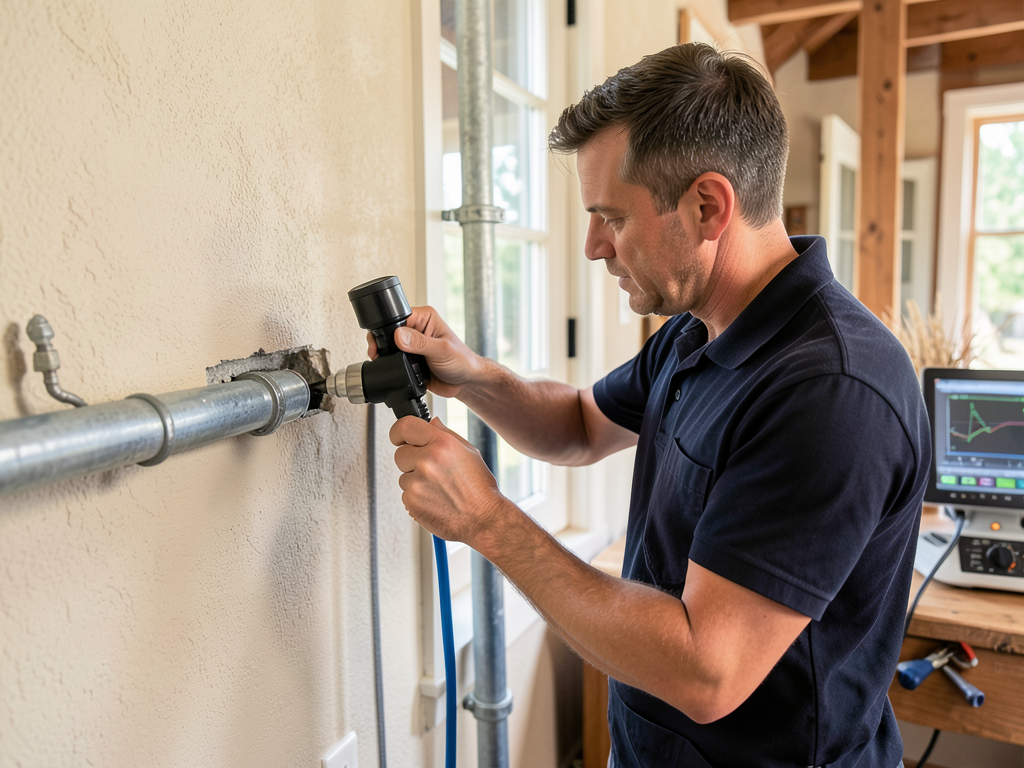
If you’re unsure about what you’re seeing, a licensed Seattle plumber can perform a comprehensive pipe inspection using specialized tools like endoscopic cameras that can see inside your pipes without demolition. This diagnostic process typically costs between $200-400 but provides invaluable information about your plumbing system’s true condition and helps you make informed decisions about replacement timing. How to Get an Emergency Plumber in West Seattle After Hours.
The Hidden Dangers Lurking in Your Old Pipes
The corrosion process in galvanized steel pipes creates multiple health and safety hazards that most homeowners never consider. As the protective zinc coating breaks down, the underlying steel begins to rust from the inside out. This internal corrosion creates rough, irregular surfaces where bacteria can colonize and mineral deposits accumulate. The result is not just reduced water flow but potentially contaminated drinking water.. Read more about Why Water Heaters Make That High-Pitched Whining Sound in High Point Homes.
Lead contamination represents one of the most serious concerns with older galvanized systems. While the steel pipes themselves don’t contain lead, the solder used to join pipes before 1986 often contained up to 50% lead. Additionally, brass fixtures and valves in older homes may contain lead alloys. When galvanic corrosion occurs, it can leach lead from these components into your water supply. Seattle’s water chemistry, particularly the dissolved oxygen content and pH levels from the Cedar River watershed, can accelerate this leaching process.
The health impacts of lead exposure are particularly severe for children and pregnant women. Even low levels of lead can cause developmental delays, learning difficulties, and behavioral problems in children. For adults, chronic exposure may contribute to high blood pressure, kidney problems, and reproductive issues. The EPA’s action level for lead in drinking water is 15 parts per billion, but many health experts argue there is no safe level of lead exposure. EPA information on lead in drinking water.
Beyond lead, corroded galvanized pipes can harbor other contaminants. The rough interior surfaces created by rust provide ideal environments for biofilm growth, which can include harmful bacteria like Legionella. The discolored water that often results from galvanized pipe corrosion isn’t just unappealing—it can contain iron, manganese, and other metals that affect taste and may have long-term health implications.
Structural integrity represents another hidden danger. As pipes corrode from the inside, they become thinner and more prone to sudden failure. A pipe that looks solid on the outside may be paper-thin internally, ready to burst under normal water pressure. This risk increases dramatically during Seattle’s occasional hard freezes or when municipal water pressure fluctuates due to system maintenance or firefighting demands.
Why Seattle’s Water Makes Galvanized Pipes Corrode Faster
Seattle’s unique water chemistry creates conditions that accelerate galvanized pipe corrosion compared to many other regions. The water supplied by Seattle Public Utilities comes primarily from the Cedar River and South Fork Tolt River watersheds, and its specific characteristics directly impact how quickly galvanized pipes degrade. Understanding these local factors helps explain why Mount Baker homeowners are facing pipe replacement needs now rather than decades from now.. Read more about Understanding the Costs of Moving a Bathroom During a Bitter Lake Home Renovation.
The pH level of Seattle’s water typically ranges from 7.2 to 7.8, which is slightly alkaline but still within a range that can be corrosive to certain metals. More importantly, the dissolved oxygen content in our surface water supply is relatively high, and oxygen is a key catalyst for the electrochemical corrosion process that destroys galvanized pipes. The water also contains dissolved minerals that, while not making our water “hard” by national standards, still contribute to scale buildup and corrosion.
Seattle’s climate creates additional challenges. Our high annual rainfall and humidity mean that pipes buried underground or running through crawl spaces experience more moisture exposure than in drier climates. Temperature fluctuations are another factor—the freeze-thaw cycles we experience, even though mild compared to other regions, cause pipes to expand and contract, accelerating the breakdown of protective coatings and creating microscopic cracks where corrosion can begin.
The King County Department of Natural Resources and Parks has documented that water chemistry can vary significantly between different parts of the county, and Mount Baker’s proximity to Lake Washington affects local groundwater conditions. Homes in this area may experience different corrosion rates than those in North Seattle or on the Eastside. The specific combination of your home’s water source, pipe installation quality, and local environmental conditions determines how quickly your galvanized pipes will fail.
Recent studies by the Washington State Department of Health have shown that older neighborhoods with galvanized plumbing, particularly those near major water mains installed decades ago, show higher rates of lead and copper contamination in tap water samples. This research specifically included sampling from homes in the 98144 zip code area, which encompasses Mount Baker, confirming that local water chemistry and aging infrastructure create elevated risks for residents.
Modern Replacement Options: PEX vs. Copper for Seattle Homes
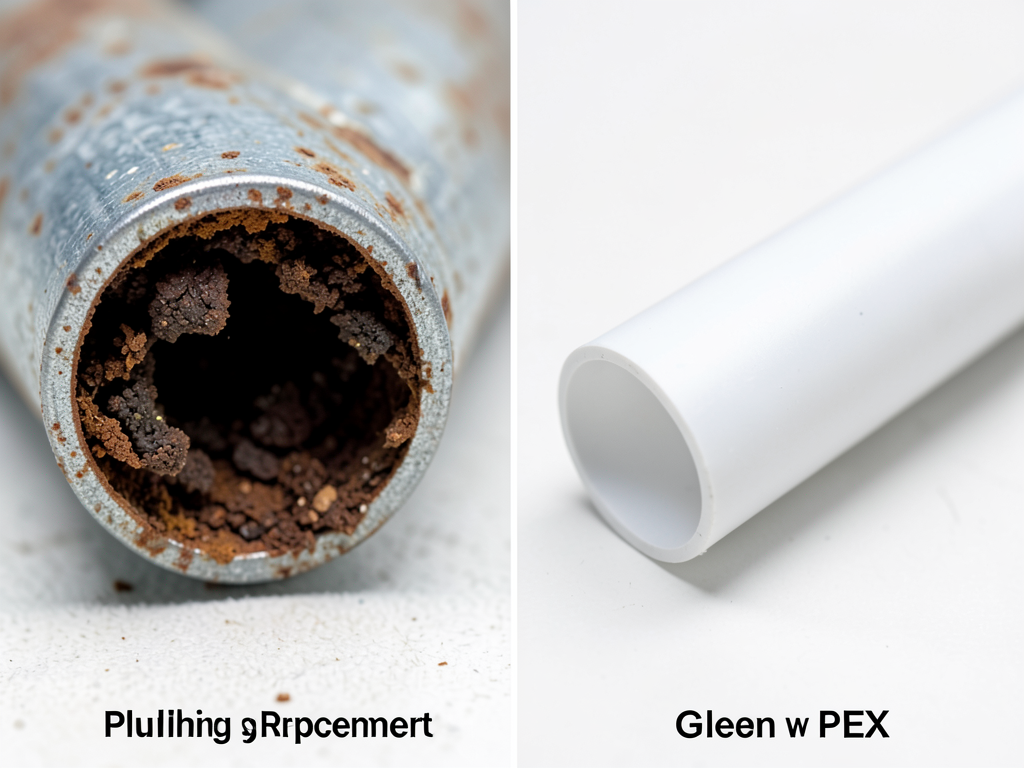
When it comes to replacing galvanized pipes in your Mount Baker home, you have two excellent modern options: PEX (cross-linked polyethylene) and copper piping. Each material has distinct advantages for Seattle’s specific conditions, and understanding these differences will help you make the best choice for your home and budget.
PEX piping has become increasingly popular in Seattle over the past decade for several compelling reasons. This flexible plastic tubing resists corrosion completely, making it ideal for our water chemistry. It’s also highly resistant to freeze damage—when water freezes in PEX, the tubing expands rather than bursting, which is valuable during our occasional cold snaps. Installation is typically faster and less invasive than copper, as PEX can bend around corners and through walls without requiring as many fittings. For Mount Baker’s older homes with limited crawl space access, this flexibility can mean less demolition and lower overall costs.
Copper piping, while more expensive upfront, offers its own set of advantages. It’s the traditional choice for premium plumbing installations and can last 50-70 years or more when properly installed. Copper handles Seattle’s high water pressure well and doesn’t degrade from UV exposure if any pipes run through attic spaces. Many Mount Baker homeowners appreciate copper’s proven track record and its compatibility with the existing plumbing infrastructure in their historic homes. Additionally, copper has natural antimicrobial properties that some homeowners prefer for drinking water applications.
The cost comparison between PEX and copper varies significantly based on your home’s specific layout. For a typical Mount Baker Craftsman home, PEX repiping might cost $4,000-7,000, while copper could range from $8,000-12,000. However, these are rough estimates—factors like the number of bathrooms, accessibility of existing pipes, and whether you’re replacing just supply lines or the entire system including the main water line will affect your final price.
Both materials meet all current Seattle building codes and are approved for use in King County. The Seattle Department of Construction and Inspections (SDCI) requires permits for whole-house repiping regardless of which material you choose, and both PEX and copper installations must pass pressure testing and inspection. Your choice may also affect your home’s resale value—some buyers specifically look for copper plumbing as a premium feature, while others appreciate the reliability and cost-effectiveness of PEX.
Many Seattle plumbing contractors now recommend a hybrid approach for older homes. This involves using PEX for most of the repiping due to its cost-effectiveness and ease of installation, but installing copper for critical areas like the main water line connection, water heater connections, and any pipes that will be exposed to sunlight or extreme temperatures. This strategy provides the best balance of performance, longevity, and value for Mount Baker homeowners.
The Seattle Repiping Permit Process and Building Codes
Replacing galvanized pipes in your Mount Baker home requires navigating Seattle’s specific permitting and building code requirements. The Seattle Department of Construction and Inspections (SDCI) treats whole-house repiping as a significant plumbing project that requires proper permitting, inspection, and compliance with current King County codes. Understanding this process helps you avoid delays, ensure quality work, and protect your investment.
The permitting process begins with submitting detailed plans to SDCI, including the scope of work, materials to be used, and the location of all new piping. For Mount Baker’s historic homes, particularly those in designated historic districts or near landmarks like the Mount Baker Community Club, there may be additional requirements to preserve architectural integrity. The permit fee for whole-house repiping typically ranges from $250-500, depending on the project scope, plus a small surcharge for King County’s plumbing inspection program.
Seattle’s plumbing code, based on the Uniform Plumbing Code with local amendments, requires several specific elements for repiping projects. All new water lines must be pressure tested to 1.5 times the normal operating pressure (typically 100-150 PSI) and maintain that pressure for at least 15 minutes without dropping. This testing ensures there are no leaks in the new system before walls are closed up. Additionally, Seattle requires specific protection for pipes in unconditioned spaces, including insulation for any piping in exterior walls or unheated crawl spaces.
The code also mandates backflow prevention devices in certain situations, particularly if you’re adding new fixtures or changing the plumbing configuration. Mount Baker homes, many of which were built before modern plumbing standards, may need updates to meet current requirements for things like proper venting, trap arms, and cleanouts. These requirements aren’t just bureaucratic hurdles—they ensure your new plumbing system is safe, efficient, and won’t cause problems for your neighbors or the municipal water supply.
Working with a licensed Seattle plumber who understands local requirements is crucial. Your contractor should handle the permitting process, coordinate inspections, and ensure all work meets both the letter and spirit of the law. Look for plumbers with specific experience in Mount Baker and similar historic Seattle neighborhoods, as they’ll be familiar with common issues like knob-and-tube wiring proximity, asbestos insulation in older homes, and the unique challenges of working in homes with lathe-and-plaster walls.
The inspection process typically involves at least two visits: one during rough-in to verify proper installation before walls are closed, and a final inspection once the job is complete. SDCI inspectors in Seattle are particularly attentive to water conservation measures, proper material sizing for Seattle’s water pressure, and earthquake strapping requirements for water heaters and other fixtures. Passing inspection not only ensures your system is legal but also protects you from potential issues when selling your home in the future.
Cost Factors for Repiping in the Mount Baker Area
The cost to replace galvanized pipes in Mount Baker homes varies significantly based on several local factors unique to Seattle’s housing stock and construction practices. Understanding these variables helps you budget appropriately and avoid surprises during your repiping project. While national averages might suggest a certain price range, Mount Baker’s specific characteristics can push costs higher or lower depending on your home’s particular situation.
Square footage and the number of plumbing fixtures are the primary cost drivers. A typical Mount Baker Craftsman home with 2-3 bathrooms, a kitchen, and laundry facilities might cost $5,000-10,000 for PEX repiping or $10,000-15,000 for copper. However, homes with additional bathrooms, wet bars, outdoor hose bibs, or complex fixture layouts will see costs increase proportionally. The age of your home also matters—pre-1920s homes often have more complex layouts that require additional labor to navigate around original structural elements.
Accessibility is a major cost factor in Mount Baker’s older housing stock. Many homes have finished basements with drywall or plaster walls that must be carefully opened to access plumbing runs. Some Mount Baker homes have crawl spaces with limited height, making it difficult for plumbers to work comfortably. Others have finished attics where plumbing runs may be hidden behind finished walls or under floorboards. Each area that requires demolition and subsequent repair adds to the total cost. Some homeowners choose to coordinate repiping with other renovation work to minimize overall disruption and cost.
The condition of your existing plumbing infrastructure can also affect pricing. If your galvanized pipes are so corroded that they’re barely holding together, the removal process becomes more delicate and time-consuming. In some cases, sections of pipe may break during removal, requiring additional repair work. Homes with evidence of past leaks, water damage, or mold may need remediation before new plumbing can be installed, adding to the total project cost.
Mount Baker’s location within Seattle affects labor costs as well. While not as expensive as downtown or some Eastside locations, the area’s older housing stock often requires more careful, time-intensive work than newer construction. Plumbers familiar with Mount Baker’s specific housing styles—Craftsman bungalows, Tudor Revival homes, and mid-century ramblers—may charge slightly more for their specialized expertise, but this often results in better outcomes and fewer complications.
Don’t forget to factor in peripheral costs beyond the basic repiping. You may need to replace shower valves or faucets if the new piping requires different fittings. Water heater connections might need updating to meet current code. If your main water line from the street is also galvanized (common in homes built before 1960), replacing just the indoor plumbing while leaving the old main line creates a weak link in your system. Some homeowners choose to replace the entire water service line at the same time, which can add $3,000-5,000 to the project but provides complete peace of mind.
Protecting Your Investment: Home Value and Insurance Benefits
Replacing galvanized pipes in your Mount Baker home isn’t just about fixing immediate plumbing problems—it’s a strategic investment that can protect and even increase your property value. In Seattle’s competitive real estate market, having modern, reliable plumbing can be a significant selling point, particularly for buyers who understand the risks and costs associated with aging galvanized systems.
Real estate professionals in Mount Baker and surrounding Seattle neighborhoods report that whole-house repiping can increase a home’s market value by approximately 2-5%, depending on the extent of the work and the quality of installation. For a typical Mount Baker home worth $800,000-1,200,000, this translates to a potential value increase of $16,000-60,000. More importantly, modern plumbing can make your home more attractive to buyers and help it sell faster, particularly when compared to similar homes with known galvanized pipe issues.
Insurance considerations represent another significant benefit of repiping. Many insurance companies view galvanized pipes as a risk factor and may charge higher premiums for homes with aging plumbing systems. Some insurers may even refuse coverage or require a professional inspection before issuing a policy. After repiping, homeowners often qualify for lower insurance rates and have an easier time obtaining comprehensive coverage. This can result in annual premium savings of $100-300, which helps offset the initial investment over time.
The permitting and inspection process for repiping also provides valuable documentation for future transactions. When you sell your Mount Baker home, having permits and passing inspection records demonstrates that the work was done to current code and inspected by the city. This documentation can prevent potential issues during the sale process and gives buyers confidence in the quality of the plumbing system. Some sellers even provide warranties on the new plumbing, which can be a powerful selling point.
Energy and water efficiency improvements represent additional long-term benefits. Modern PEX or copper piping has smoother interiors than corroded galvanized pipes, which means your water heater doesn’t have to work as hard to maintain pressure and flow. This can result in slightly lower water and energy bills, though the primary motivation for most homeowners is reliability rather than efficiency savings. However, over the 30-50 year lifespan of the new plumbing, these incremental savings can be meaningful.
For Mount Baker’s many historic and architecturally significant homes, repiping with appropriate materials and techniques can also help preserve the property’s character while updating critical infrastructure. Working with plumbers who understand historic preservation ensures that new plumbing integrates seamlessly with existing features, maintaining the home’s charm and historical value while eliminating the risks of aging galvanized systems.
Frequently Asked Questions
How do I know if my Mount Baker home has galvanized pipes?
Look for dull gray pipes with threaded connections in your basement or crawl space. Use a magnet test—if it sticks firmly, it’s likely galvanized steel. You can also check for low water pressure, especially on upper floors, and rusty or discolored water from taps. A professional inspection using endoscopic cameras can confirm the pipe material without demolition.
Is galvanized pipe replacement covered by homeowners insurance?
Standard homeowners insurance typically doesn’t cover repiping since it’s considered preventative maintenance rather than sudden damage. However, if galvanized pipes cause a sudden burst that damages your home, that damage might be covered. Some insurance companies offer discounts for homes with updated plumbing, and replacing old pipes may help you qualify for better coverage terms.
How long does a whole-house repiping project take in a Mount Baker home?
Most whole-house repiping projects in Mount Baker homes take 3-5 days for PEX installation and 5-7 days for copper. This includes demolition, installation, pressure testing, and initial inspection. However, additional time is needed for wall repairs, painting, and final inspection. Many homeowners choose to do repiping during other renovations to minimize disruption.
Can I replace just part of my galvanized plumbing instead of the whole house?
While partial replacement is possible, it’s generally not recommended. Mixing old galvanized pipes with new materials can create corrosion issues at connection points due to galvanic action between different metals. Additionally, the oldest pipes often indicate the condition of the entire system. Most Seattle plumbers recommend whole-house replacement for best results and longevity.
What’s the difference between PEX and copper repiping for Seattle’s climate?
PEX is more resistant to freeze damage and corrosion from Seattle’s water chemistry, making it ideal for our climate. It’s also more flexible for installation in older homes. Copper lasts longer (50-70 years vs. 30-40 for PEX) and handles high water pressure well. Many Seattle homeowners choose PEX for cost-effectiveness or copper for premium quality and historical accuracy in older homes.
Take Action Before Your Pipes Fail
Galvanized steel pipes in Mount Baker homes are a ticking time bomb. Every year you wait, the corrosion worsens, the risk of sudden failure increases, and the potential for water damage to your beautiful historic home grows. Seattle’s specific water chemistry and climate conditions mean these pipes are failing faster here than in many other parts of the country, making proactive replacement not just smart but necessary.
The signs are clear: if you’re experiencing low water pressure, rusty water, or frequent plumbing issues in your Mount Baker home built before 1960, your galvanized pipes are likely the culprit. Don’t wait for a catastrophic failure that could flood your home, damage irreplaceable woodwork, or force you into an emergency replacement at premium prices. Modern PEX and copper options offer reliable, code-compliant solutions that will serve your home well for decades to come.
Professional assessment is the critical first step. A licensed Seattle plumber can inspect your system, identify problem areas, and provide a detailed plan for replacement that works with your home’s specific layout and your budget. This isn’t a DIY project—proper permitting, code compliance, and quality installation are essential for protecting your investment and ensuring your new plumbing system performs flawlessly.
Mount Baker’s historic character deserves modern infrastructure. By replacing your aging galvanized pipes now, you’re not just fixing a problem—you’re investing in your home’s future, protecting its value, and ensuring reliable water service for years to come. The peace of mind that comes with knowing your plumbing won’t fail during Seattle’s next big storm or freeze is worth the investment.
Ready to protect your Mount Baker home from dangerous galvanized pipes? Call (564) 220-5552 today to schedule your professional inspection. Our Seattle plumbing experts understand the unique challenges of historic homes in your neighborhood and can provide a clear, upfront plan for replacing your aging pipes with modern, reliable materials. Don’t wait for a plumbing emergency—take control of your home’s future now.
Pick up the phone and call (564) 220-5552 before the next storm hits. Your Mount Baker home deserves plumbing that’s as reliable as its beautiful architecture. Let’s work together to eliminate the risks of galvanized pipes and give you the clean, reliable water service your family deserves.
Don’t let another day go by with dangerous galvanized pipes in your home. Call (564) 220-5552 now and join the many Mount Baker homeowners who have already made the smart choice to upgrade their plumbing systems. Your home’s safety and your family’s health are worth it.
You may also find this helpful. Why Your Ice Maker is Producing Cloudy or Bad-Tasting Ice in Broadview.
You may also find this helpful. Converting Your Old Wedgwood Bathtub into a Modern Walk-In Shower.
{
“@context”: “https://schema.org”,
“@type”: “BlogPosting”,
“headline”: “Why Your Older Mount Baker Home Might Still Have Dangerous Galvanized Steel Pipes”,
“description”: “Discover why galvanized steel pipes in Mount Baker homes pose serious health and plumbing risks. Learn the signs, dangers, and modern replacement options from Seattle experts.”,
“wordCount”: 3990,
“datePublished”: “2026-03-27T14:55:00.000Z”,
“dateModified”: “2026-03-27T14:55:00.000Z”,
“inLanguage”: “en-US”,
“mainEntityOfPage”: {
“@type”: “WebPage”,
“@id”: “https://horizonplumbingseattle.com”
},
“publisher”: {
“@type”: “LocalBusiness”,
“name”: “Horizon Plumbing Seattle”,
“url”: “https://horizonplumbingseattle.com”
},
“author”: {
“@type”: “Organization”,
“name”: “Horizon Plumbing Seattle”,
“url”: “https://horizonplumbingseattle.com”
},
“image”: {
“@type”: “ImageObject”,
“url”: “https://horizonplumbingseattle.com/wp-content/uploads/2026/03/why-your-older-mount-baker-home-might-still-have-d-1.png”
}
}
{
“@context”: “https://schema.org”,
“@type”: “Plumber”,
“name”: “Horizon Plumbing Seattle”,
“url”: “https://horizonplumbingseattle.com”,
“address”: {
“@type”: “PostalAddress”,
“addressLocality”: “Seattle”
},
“areaServed”: {
“@type”: “City”,
“name”: “Seattle”
}
}
{
“@context”: “https://schema.org”,
“@type”: “FAQPage”,
“mainEntity”: [
{
“@type”: “Question”,
“name”: “How do I know if my Mount Baker home has galvanized pipes?”,
“acceptedAnswer”: {
“@type”: “Answer”,
“text”: “Look for dull gray pipes with threaded connections in your basement or crawl space. Use a magnet test—if it sticks firmly, it’s likely galvanized steel. You can also check for low water pressure, especially on upper floors, and rusty or discolored water from taps. A professional inspection using endoscopic cameras can confirm the pipe material without demolition.”
}
},
{
“@type”: “Question”,
“name”: “Is galvanized pipe replacement covered by homeowners insurance?”,
“acceptedAnswer”: {
“@type”: “Answer”,
“text”: “Standard homeowners insurance typically doesn’t cover repiping since it’s considered preventative maintenance rather than sudden damage. However, if galvanized pipes cause a sudden burst that damages your home, that damage might be covered. Some insurance companies offer discounts for homes with updated plumbing, and replacing old pipes may help you qualify for better coverage terms.”
}
},
{
“@type”: “Question”,
“name”: “How long does a whole-house repiping project take in a Mount Baker home?”,
“acceptedAnswer”: {
“@type”: “Answer”,
“text”: “Most whole-house repiping projects in Mount Baker homes take 3-5 days for PEX installation and 5-7 days for copper. This includes demolition, installation, pressure testing, and initial inspection. However, additional time is needed for wall repairs, painting, and final inspection. Many homeowners choose to do repiping during other renovations to minimize disruption.”
}
},
{
“@type”: “Question”,
“name”: “Can I replace just part of my galvanized plumbing instead of the whole house?”,
“acceptedAnswer”: {
“@type”: “Answer”,
“text”: “While partial replacement is possible, it’s generally not recommended. Mixing old galvanized pipes with new materials can create corrosion issues at connection points due to galvanic action between different metals. Additionally, the oldest pipes often indicate the condition of the entire system. Most Seattle plumbers recommend whole-house replacement for best results and longevity.”
}
},
{
“@type”: “Question”,
“name”: “What’s the difference between PEX and copper repiping for Seattle’s climate?”,
“acceptedAnswer”: {
“@type”: “Answer”,
“text”: “PEX is more resistant to freeze damage and corrosion from Seattle’s water chemistry, making it ideal for our climate. It’s also more flexible for installation in older homes. Copper lasts longer (50-70 years vs. 30-40 for PEX) and handles high water pressure well. Many Seattle homeowners choose PEX for cost-effectiveness or copper for premium quality and historical accuracy in older homes.”
}
}
]
}
{
“@context”: “https://schema.org”,
“@type”: “BreadcrumbList”,
“itemListElement”: [
{
“@type”: “ListItem”,
“position”: 1,
“name”: “Home”,
“item”: “https://horizonplumbingseattle.com”
},
{
“@type”: “ListItem”,
“position”: 2,
“name”: “Blog”,
“item”: “https://horizonplumbingseattle.com/blog”
},
{
“@type”: “ListItem”,
“position”: 3,
“name”: “Why Your Older Mount Baker Home Might Still Have Dangerous Galvanized Steel Pipes”
}
]
}
{
“@context”: “https://schema.org”,
“@type”: “Service”,
“serviceType”: “Plumbing”,
“provider”: {
“@type”: “LocalBusiness”,
“name”: “Horizon Plumbing Seattle”,
“url”: “https://horizonplumbingseattle.com”
},
“areaServed”: {
“@type”: “City”,
“name”: “Seattle”
},
“description”: “Discover why galvanized steel pipes in Mount Baker homes pose serious health and plumbing risks. Learn the signs, dangers, and modern replacement options from Seattle experts.”
}