
Why Seattle’s Soft Water Might Be Corroding Your Plumbing Fixtures
Seattle’s pristine water from the Cedar and Tolt River watersheds might look crystal clear but it carries a hidden threat to your home’s plumbing system. Our soft water with its naturally low mineral content and slightly acidic pH creates the perfect conditions for copper pipe corrosion and fixture degradation. Many Seattle homeowners first notice the problem through mysterious blue-green stains on sinks and tubs or sudden pinhole leaks in copper piping that seem to appear from nowhere. Seattle Public Utilities Water Quality Information.
The chemistry of Seattle’s water supply makes this a particularly local problem. While our water quality meets all safety standards set by Seattle Public Utilities and the EPA, the very characteristics that make it taste clean and refreshing can accelerate metal corrosion in your plumbing system. Understanding this connection between water chemistry and pipe longevity is the first step toward protecting your home investment. EPA Lead and Copper Rule Information.
Is Seattle Water Hard or Soft And Why It Matters
Seattle’s water ranks among the softest in the nation with hardness levels typically measuring between 18 and 26 parts per million or about 1.0 to 1.5 grains per gallon. This soft water lacks the calcium and magnesium minerals that create scale buildup but also provides natural protection against corrosion. The Cedar River and Tolt River watersheds feed our municipal supply through protected mountain reservoirs where water naturally picks up minimal mineral content as it flows over granite bedrock rather than limestone.. Read more about Why Water Heaters Make That High-Pitched Whining Sound in High Point Homes.
Water hardness is measured on a scale where anything under 60 ppm is considered soft. Seattle’s readings place us firmly in the soft category alongside cities like Portland and Boston. While hard water creates scale problems in water heaters and appliances, soft water can be equally problematic for metal plumbing components. The absence of protective mineral scale means water flows directly against pipe walls creating conditions where electrochemical reactions can occur more readily. Plumbing Bothell.
Seattle Public Utilities maintains our water at a slightly alkaline pH between 7.7 and 8.2 to help control corrosion. However, pH levels can fluctuate seasonally based on rainfall patterns and snowmelt timing. During periods of heavy rain or rapid snowmelt, the pH can temporarily drop creating more acidic conditions that accelerate copper dissolution. These natural variations mean your plumbing faces different challenges throughout the year without you ever seeing a change in water appearance. Plumbing Burien.
The Impact of Low pH on Seattle’s Copper Piping
Copper piping has been the standard for residential plumbing in Seattle since the 1960s when it replaced galvanized steel as the material of choice. While copper resists many forms of corrosion it remains vulnerable to acidic water conditions. When Seattle’s water pH drops below 7.0 it becomes aggressive toward copper creating electrochemical reactions that slowly dissolve the metal. This process often manifests as pinhole leaks that appear in random locations throughout your plumbing system.
The corrosion process works through several mechanisms. Acidic water strips away the protective oxide layer that naturally forms on copper surfaces. Once this barrier is compromised the underlying metal becomes vulnerable to further attack. Water flowing through the pipes carries dissolved copper ions that can deposit as blue-green stains on fixtures and in sinks. Over time these microscopic pits deepen until they create actual holes that allow water to escape under pressure.
Seattle homes built between the 1970s and early 2000s face the highest risk since they typically contain the most copper piping and were constructed before modern corrosion control treatments became standard. Many of these homes now experience recurring pinhole leak problems that require ongoing repairs. The issue tends to cluster in certain Seattle neighborhoods where older infrastructure meets our naturally soft water chemistry creating a perfect storm for accelerated pipe degradation.
Common Water Quality Issues in King County Homes
Beyond the soft water challenge Seattle homeowners face several water quality issues that can compound plumbing problems. Seasonal turbidity increases when heavy rains stir up sediment in the watersheds affecting water clarity for brief periods. While this sediment is harmless it can carry microscopic particles that abrade pipe interiors over time. The city’s corrosion control treatment adds phosphates to the water supply which helps but cannot completely eliminate copper dissolution in extremely soft conditions.
Chlorination levels in Seattle’s water system typically measure between 0.5 and 1.0 parts per million to maintain disinfection throughout the distribution network. While necessary for public health these chlorine residuals can accelerate oxidation of metal components especially in hot water systems where temperatures speed chemical reactions. Water heaters in Seattle homes often experience faster anode rod consumption than in harder water areas due to this combination of soft water and chlorine exposure.. Read more about How to Properly Maintain Your Tankless Water Heater in the Pacific Northwest.
Temperature stratification in Seattle’s water distribution system creates another variable homeowners rarely consider. Water entering your home might register 45 degrees Fahrenheit in winter but climb to 55 degrees or higher in summer months. These temperature swings affect corrosion rates with higher temperatures generally accelerating metal degradation. The problem becomes more pronounced in homes with long plumbing runs or those located in areas with older distribution mains that may contribute additional variables to water chemistry.
How Our Plumbers Solve Seattle-Specific Water Chemistry Problems
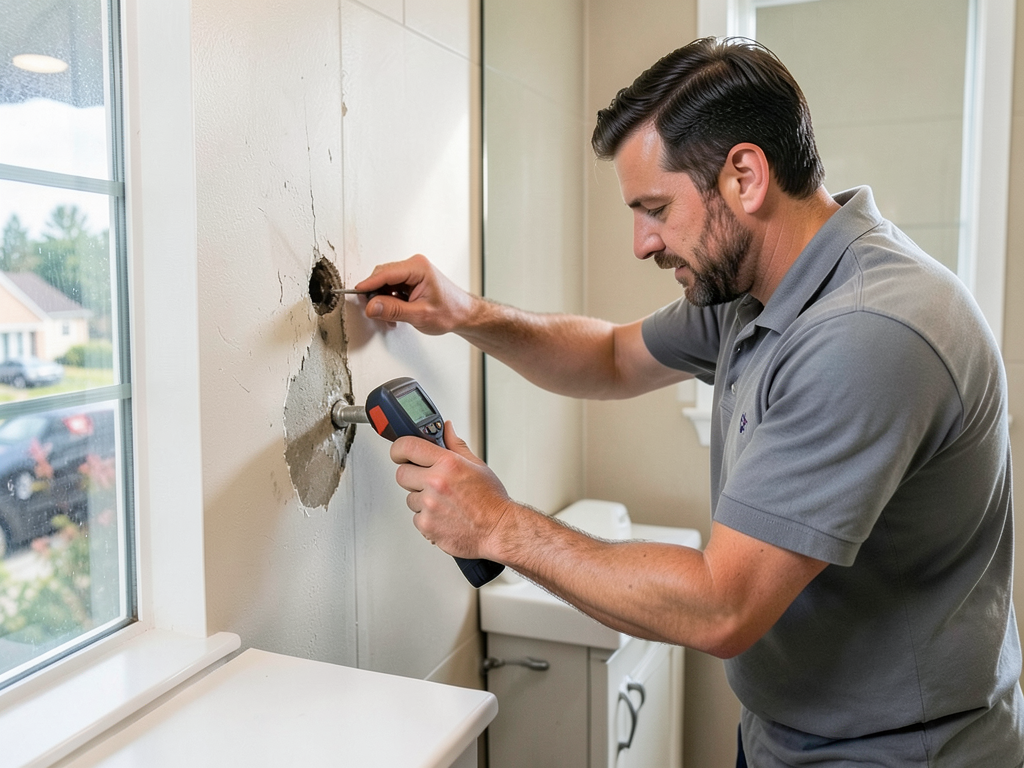
Diagnosing water-related plumbing issues in Seattle requires understanding the unique chemistry of our local supply. Our plumbers start with water testing to establish baseline readings for pH hardness and total dissolved solids. We use electronic moisture meters to detect hidden leaks behind walls and under floors before they cause major damage. For homes with recurring pinhole leak problems we recommend whole-house water treatment systems that can adjust pH levels and add protective minerals back into the water supply. How to Get an Emergency Plumber in West Seattle After Hours.
Material selection becomes critical when replacing damaged plumbing in Seattle homes. PEX piping offers excellent resistance to our local water chemistry since it does not corrode like metal alternatives. For situations where copper remains the best choice we use premium grade L-type copper with thicker walls that provide more margin against corrosion. We also install dielectric unions when connecting different metal types to prevent galvanic corrosion at connection points.
Our diagnostic process includes pressure testing existing pipes to identify weak sections before they fail. We use infrared cameras to detect temperature variations that might indicate water leaks hidden in wall cavities. For severe cases we recommend pipe lining services that create a new corrosion-resistant barrier inside existing pipes without the need for demolition. These trenchless solutions work particularly well in Seattle’s older neighborhoods where accessing pipes through finished walls and floors would be prohibitively expensive. Trenchless Sewer Repair Options for Historic Capitol Hill Homes.
Filtration vs Conditioning Which is Right for Your Seattle Home
Seattle homeowners often confuse water filtration with water conditioning though these serve different purposes. Filtration removes particles sediment and certain chemicals while conditioning alters water chemistry to protect plumbing. For our local water conditions conditioning systems that adjust pH and add scale-forming minerals typically provide the best protection against corrosion. These systems work by slowly dissolving food-grade minerals into the water creating a more balanced chemistry that protects metal components.
Reverse osmosis systems while excellent for drinking water can actually worsen plumbing corrosion by removing all minerals and creating extremely pure water that aggressively seeks to dissolve metals. We generally recommend against whole-house RO systems in Seattle due to our already soft water conditions. Instead point-of-use RO systems for drinking water combined with whole-house conditioning provide the optimal balance of water quality and plumbing protection.
Cost considerations vary significantly between treatment options. Basic pH adjustment systems start around $1,200 installed while comprehensive water conditioning systems with mineral addition capabilities run $2,500 to $4,000. These represent significant investments but often prove economical compared to the cost of repairing pinhole leaks replacing sections of copper pipe or dealing with water damage from hidden leaks. Many Seattle homeowners find that water treatment systems pay for themselves within five to seven years through avoided repair costs and extended plumbing system life.
Warning Signs Your Plumbing Faces Water Chemistry Damage
Early detection of water chemistry damage can save Seattle homeowners thousands in repair costs. Blue-green stains on sinks tubs and in toilet bowls indicate copper dissolution occurring somewhere in your plumbing system. These stains often appear first in areas with the highest water usage like master bathrooms or kitchens. The stains may wipe away temporarily but return within days as the underlying corrosion continues.
Metallic taste in drinking water especially from the cold tap suggests dissolved copper entering your water supply. While Seattle’s water quality reports show copper levels well below EPA action limits the presence of any metallic taste indicates corrosion occurring somewhere between the street and your faucet. Hot water tends to show these effects more prominently since heat accelerates the dissolution process.
Pinhole leaks that appear in multiple locations throughout your home signal systemic water chemistry problems rather than isolated manufacturing defects. These leaks often occur in clusters along horizontal pipe runs or in areas where water sits stagnant for periods. The leaks typically measure less than 1/8 inch in diameter but can release surprising amounts of water under household pressure. Finding two or more such leaks within a year strongly suggests your water chemistry is attacking your pipes.
Protecting Your Investment Understanding Local Building Codes
Seattle building codes recognize the challenges posed by our local water chemistry and include specific requirements for plumbing installations. The Seattle Plumbing Code adopted from the Uniform Plumbing Code requires dielectric unions when connecting dissimilar metals to prevent galvanic corrosion. It also mandates specific pipe materials for different applications based on local water conditions and expected service life.
Washington State Department of Health regulations require water utilities to maintain corrosion control treatment but these measures primarily protect the distribution system rather than individual home plumbing. The Lead and Copper Rule under the federal Safe Drinking Water Act sets action levels for these metals but does not guarantee your home’s plumbing will remain free from corrosion-related damage. This regulatory gap means homeowners must take additional steps to protect their plumbing investments.
Permit requirements for plumbing work in Seattle include inspections that verify proper material selection and installation techniques for our local conditions. Our plumbers stay current on these requirements and can advise on code-compliant solutions that address both immediate repair needs and long-term water chemistry challenges. We also help homeowners navigate the permit process to ensure all work meets current standards and maintains home value.
Maintenance Strategies for Long-Term Plumbing Health
Regular maintenance becomes essential for Seattle homes facing water chemistry challenges. Annual water heater flushing removes sediment buildup and allows inspection of the anode rod which sacrifices itself to protect the tank from corrosion. In our soft water conditions these rods often deplete faster than manufacturer estimates requiring more frequent replacement. We recommend checking anode rods every two years rather than the standard three to five year interval.
Whole-house pressure monitoring helps detect problems before they cause damage. Seattle’s municipal water pressure typically ranges from 40 to 80 psi but can spike during system maintenance or emergencies. These pressure surges stress plumbing components especially those already weakened by corrosion. Installing a pressure reducing valve with a strainer protects your entire plumbing system from both pressure spikes and sediment that might accelerate corrosion.
Water quality testing every two years establishes baseline readings that help detect changes in your water chemistry before they cause visible damage. We test for pH hardness and specific corrosion indicators that might not appear on standard water quality reports. These tests become especially important for homes with history of plumbing problems or those planning major renovations where existing pipe condition could affect new fixture selection and installation methods.
Cost Factors in Water Chemistry Plumbing Solutions
Addressing water chemistry-related plumbing issues involves various cost factors that Seattle homeowners should understand. Simple pH adjustment systems start around $1,200 installed while comprehensive water conditioning with mineral addition capabilities run $2,500 to $4,000. These systems require minimal maintenance beyond annual filter changes but provide the most effective protection against ongoing corrosion.
Partial repiping costs vary based on home layout and accessibility with typical ranges from $3,000 to $8,000 for replacing exposed pipe runs. Whole-house repiping using PEX tubing costs $6,000 to $15,000 depending on home size and complexity. While these represent major investments they often prove more economical than repeated emergency repairs and water damage restoration from hidden leaks.
Insurance coverage for water chemistry damage varies significantly among providers. Many policies cover sudden catastrophic failures but exclude damage from gradual corrosion or wear. Some insurers offer premium discounts for homes with water treatment systems that reduce claim risk. We recommend reviewing your specific coverage and discussing mitigation strategies with your insurance provider to understand what protections might be available.
Frequently Asked Questions
How do I know if my Seattle home has water chemistry problems?
Look for blue-green stains on fixtures metallic taste in water or recurring pinhole leaks. Homes built between 1970 and 2000 with copper plumbing face the highest risk especially in areas with soft water chemistry.
Does Seattle Public Utilities test for corrosion in home plumbing?
No SPU tests water quality at the distribution level but does not evaluate individual home plumbing systems. Homeowners must arrange separate testing if concerned about corrosion issues.
Are water softeners good for Seattle’s soft water?
Additional softening rarely benefits Seattle homes since our water is already very soft. Water conditioning systems that adjust pH provide better protection against corrosion than traditional water softeners.
How long should copper pipes last in Seattle?
Properly installed copper piping can last 50+ years in ideal conditions but soft acidic water can reduce lifespan to 20-30 years in some cases. Regular maintenance and water treatment can extend service life significantly.
What’s the best pipe material for Seattle’s water chemistry?
PEX tubing offers excellent resistance to our local water conditions. For copper installations use type L with thicker walls and consider water treatment to adjust pH and add protective minerals.
Can I fix pinhole leaks without replacing all my pipes?
Yes we can repair individual leaks and install protective treatments but recurring problems usually indicate systemic issues requiring broader solutions like pipe lining or partial replacement.
How much does water testing cost in Seattle?
Basic water chemistry testing starts around $150 while comprehensive analysis including corrosion indicators runs $300 to $500. Many plumbers offer testing as part of diagnostic services.
Will a water filter stop pipe corrosion?
Standard filters remove particles but do not address the chemical factors causing corrosion. Water conditioning systems that adjust pH and mineral content provide the most effective protection.
Should I be concerned about lead in Seattle’s water?
Seattle’s water supply does not contain lead but older homes may have lead solder or service lines. Testing and replacement of these components eliminates lead exposure risk.
How often should I flush my water heater in Seattle?
Annual flushing helps maintain efficiency and allows inspection of the anode rod. In our soft water conditions check the anode rod every two years rather than the standard three to five year interval.
{
“@context”: “https://schema.org”,
“@type”: “BlogPosting”,
“headline”: “Why Seattle’s Soft Water Might Be Corroding Your Plumbing Fixtures”,
“description”: “Discover how Seattle’s soft, acidic water from Cedar and Tolt Rivers is silently corroding copper pipes and fixtures. Learn the warning signs and solutions from local plumbing experts.”,
“wordCount”: 2525,
“datePublished”: “2026-04-04T10:00:00.000Z”,
“dateModified”: “2026-04-04T10:00:00.000Z”,
“inLanguage”: “en-US”,
“mainEntityOfPage”: {
“@type”: “WebPage”,
“@id”: “https://horizonplumbingseattle.com”
},
“publisher”: {
“@type”: “LocalBusiness”,
“name”: “Horizon Plumbing Seattle”,
“url”: “https://horizonplumbingseattle.com”
},
“author”: {
“@type”: “Organization”,
“name”: “Horizon Plumbing Seattle”,
“url”: “https://horizonplumbingseattle.com”
},
“image”: {
“@type”: “ImageObject”,
“url”: “https://horizonplumbingseattle.com/wp-content/uploads/2026/03/why-seattle-s-soft-water-might-be-corroding-your-p-1.png”
}
}
{
“@context”: “https://schema.org”,
“@type”: “Plumber”,
“name”: “Horizon Plumbing Seattle”,
“url”: “https://horizonplumbingseattle.com”,
“address”: {
“@type”: “PostalAddress”,
“addressLocality”: “Seattle”
},
“areaServed”: {
“@type”: “City”,
“name”: “Seattle”
}
}
{
“@context”: “https://schema.org”,
“@type”: “FAQPage”,
“mainEntity”: [
{
“@type”: “Question”,
“name”: “How do I know if my Seattle home has water chemistry problems?”,
“acceptedAnswer”: {
“@type”: “Answer”,
“text”: “Look for blue-green stains on fixtures metallic taste in water or recurring pinhole leaks. Homes built between 1970 and 2000 with copper plumbing face the highest risk especially in areas with soft water chemistry.”
}
},
{
“@type”: “Question”,
“name”: “Does Seattle Public Utilities test for corrosion in home plumbing?”,
“acceptedAnswer”: {
“@type”: “Answer”,
“text”: “No SPU tests water quality at the distribution level but does not evaluate individual home plumbing systems. Homeowners must arrange separate testing if concerned about corrosion issues.”
}
},
{
“@type”: “Question”,
“name”: “Are water softeners good for Seattle’s soft water?”,
“acceptedAnswer”: {
“@type”: “Answer”,
“text”: “Additional softening rarely benefits Seattle homes since our water is already very soft. Water conditioning systems that adjust pH provide better protection against corrosion than traditional water softeners.”
}
},
{
“@type”: “Question”,
“name”: “How long should copper pipes last in Seattle?”,
“acceptedAnswer”: {
“@type”: “Answer”,
“text”: “Properly installed copper piping can last 50+ years in ideal conditions but soft acidic water can reduce lifespan to 20-30 years in some cases. Regular maintenance and water treatment can extend service life significantly.”
}
},
{
“@type”: “Question”,
“name”: “What’s the best pipe material for Seattle’s water chemistry?”,
“acceptedAnswer”: {
“@type”: “Answer”,
“text”: “PEX tubing offers excellent resistance to our local water conditions. For copper installations use type L with thicker walls and consider water treatment to adjust pH and add protective minerals.”
}
},
{
“@type”: “Question”,
“name”: “Can I fix pinhole leaks without replacing all my pipes?”,
“acceptedAnswer”: {
“@type”: “Answer”,
“text”: “Yes we can repair individual leaks and install protective treatments but recurring problems usually indicate systemic issues requiring broader solutions like pipe lining or partial replacement.”
}
},
{
“@type”: “Question”,
“name”: “How much does water testing cost in Seattle?”,
“acceptedAnswer”: {
“@type”: “Answer”,
“text”: “Basic water chemistry testing starts around $150 while comprehensive analysis including corrosion indicators runs $300 to $500. Many plumbers offer testing as part of diagnostic services.”
}
},
{
“@type”: “Question”,
“name”: “Will a water filter stop pipe corrosion?”,
“acceptedAnswer”: {
“@type”: “Answer”,
“text”: “Standard filters remove particles but do not address the chemical factors causing corrosion. Water conditioning systems that adjust pH and mineral content provide the most effective protection.”
}
},
{
“@type”: “Question”,
“name”: “Should I be concerned about lead in Seattle’s water?”,
“acceptedAnswer”: {
“@type”: “Answer”,
“text”: “Seattle’s water supply does not contain lead but older homes may have lead solder or service lines. Testing and replacement of these components eliminates lead exposure risk.”
}
},
{
“@type”: “Question”,
“name”: “How often should I flush my water heater in Seattle?”,
“acceptedAnswer”: {
“@type”: “Answer”,
“text”: “Annual flushing helps maintain efficiency and allows inspection of the anode rod. In our soft water conditions check the anode rod every two years rather than the standard three to five year interval.”
}
}
]
}
{
“@context”: “https://schema.org”,
“@type”: “BreadcrumbList”,
“itemListElement”: [
{
“@type”: “ListItem”,
“position”: 1,
“name”: “Home”,
“item”: “https://horizonplumbingseattle.com”
},
{
“@type”: “ListItem”,
“position”: 2,
“name”: “Blog”,
“item”: “https://horizonplumbingseattle.com/blog”
},
{
“@type”: “ListItem”,
“position”: 3,
“name”: “Why Seattle’s Soft Water Might Be Corroding Your Plumbing Fixtures”
}
]
}
{
“@context”: “https://schema.org”,
“@type”: “Service”,
“serviceType”: “Plumbing”,
“provider”: {
“@type”: “LocalBusiness”,
“name”: “Horizon Plumbing Seattle”,
“url”: “https://horizonplumbingseattle.com”
},
“areaServed”: {
“@type”: “City”,
“name”: “Seattle”
},
“description”: “Discover how Seattle’s soft, acidic water from Cedar and Tolt Rivers is silently corroding copper pipes and fixtures. Learn the warning signs and solutions from local plumbing experts.”
}