Boosting Low Water Pressure on the Top of Queen Anne Hill with a Constant Pressure System
If you live on the highest points of Queen Anne Hill you already know the frustration. You turn on the shower and the water trickles out like a drinking fountain. Washing machines take forever to fill. Toilets struggle to flush properly. The problem isn’t your plumbing—it’s gravity and elevation working against Seattle’s municipal water system. Seattle Public Utilities water pressure information.
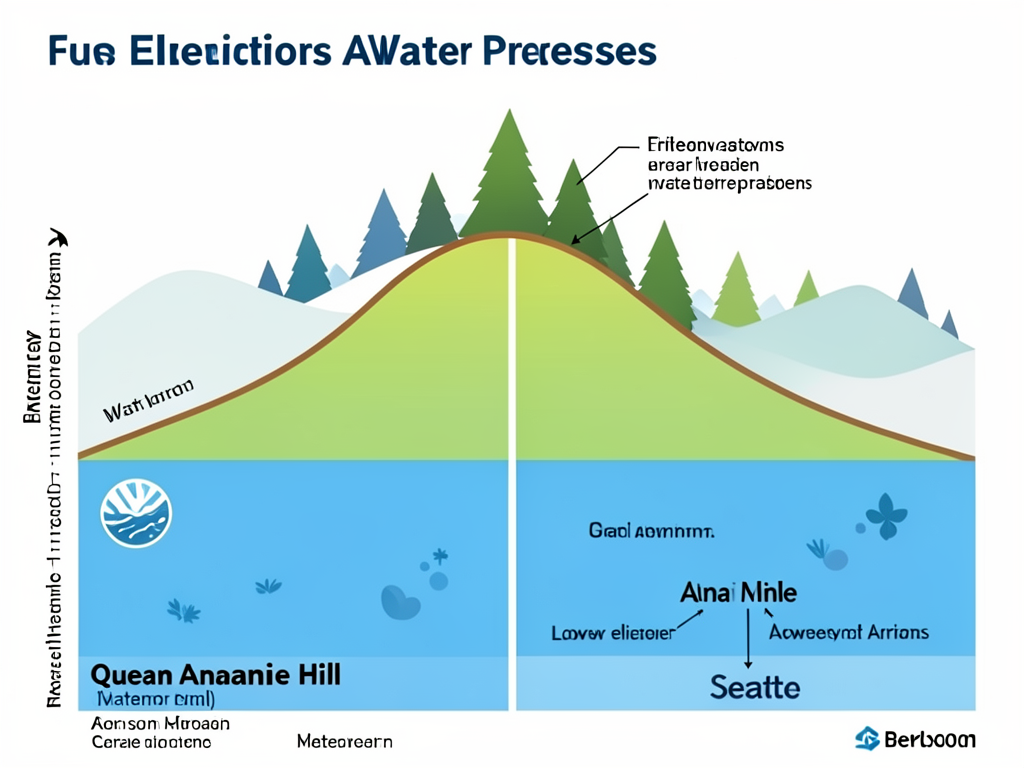
Queen Anne’s elevation ranges from sea level near the waterfront up to nearly 500 feet at the summit. That vertical climb means homes at the top experience significantly lower water pressure than those at the base. A constant pressure system solves this by automatically boosting and maintaining optimal pressure throughout your home regardless of elevation or demand.. Read more about Stopping the Banging Water Hammer Sounds in Your Victory Heights Home.
How Queen Anne’s Elevation Affects Your Water Pressure
Seattle Public Utilities delivers water to Queen Anne through a network of pressure zones. Homes at lower elevations receive adequate pressure naturally. But as you climb the hill pressure drops approximately 0.43 PSI for every foot of elevation gain. That means a home at 400 feet above sea level might receive only 20-30 PSI while the city standard is 40-80 PSI.
This pressure differential creates several problems. Low-flow fixtures designed to conserve water become nearly unusable. Dishwashers and washing machines take longer cycles. Outdoor spigots barely produce enough pressure for gardening. The issue compounds during peak usage times when municipal pressure drops system-wide.

What Is a Constant Pressure System and How It Works
A constant pressure system consists of three main components working together. The pressure tank stores water under pressure. The variable speed pump adjusts its output automatically based on demand. The control panel monitors system pressure and tells the pump when to speed up or slow down.
When you turn on a faucet the system detects the pressure drop. The pump responds by increasing speed to maintain your set pressure—typically 60 PSI. When demand decreases the pump slows down to match. This differs from traditional constant-speed pumps that cycle on and off at full power.
The system integrates with your existing plumbing. Water flows from the city main through a check valve into the pressure tank. The pump then boosts this water to your home’s fixtures. A pressure relief valve and expansion tank protect against overpressure conditions. Plumbing Bothell.
Variable Speed vs. Fixed Speed Booster Pumps
| Feature | Variable Speed System | Fixed Speed System |
|---|---|---|
| Energy Efficiency | 30-50% less electricity usage | Constant full-power operation |
| Noise Level | Quieter operation | Louder cycling on/off |
| Pressure Consistency | ±2 PSI variation | ±10-15 PSI variation |
| Lifespan | 10-15 years typical | 5-8 years typical |
| Initial Cost | $2,500-$4,000 | $1,500-$2,500 |
Installation Requirements for Queen Anne Homes
Seattle building codes require specific components for residential pressure booster systems. A testable backflow preventer prevents contamination of the municipal supply. This device must be installed on the city side of the system and tested annually by a certified tester.
The Washington State Department of Health mandates that all booster pumps serving single-family homes include a pressure relief valve set at 75 PSI maximum. An expansion tank absorbs pressure fluctuations and protects your plumbing from water hammer damage. Washington State Department of Health cross-connection regulations.
Electrical requirements vary by pump size. Most residential systems need a dedicated 240-volt circuit with GFCI protection. The National Electrical Code Article 430.102 requires overload protection for motor circuits. Your electrical panel must have capacity for this additional load.
Diagnosing Your Home’s Pressure Problem
Before installing a booster system we test your actual water pressure using a gauge on an outside spigot. Seattle Public Utilities recommends checking pressure during both low and high demand periods. Morning pressure often reads higher than evening pressure when everyone’s using water.
We also inspect your existing plumbing for issues that could compound pressure problems. Galvanized steel pipes common in Queen Anne’s older homes corrode internally over decades. This corrosion restricts flow even if pressure is adequate. We use a video camera to inspect main lines for blockages or damage. Plumbing Burien.
Another diagnostic test involves measuring static pressure versus dynamic pressure. Static pressure is what you get with no water running. Dynamic pressure drops when multiple fixtures operate simultaneously. A significant difference indicates supply line restrictions or inadequate main capacity.
Cost Factors for Queen Anne Pressure Booster Installation
Several variables affect your system’s final cost. Pump size depends on your home’s square footage and fixture count. A 2,500 square foot home with two bathrooms needs a smaller pump than a 4,000 square foot home with four bathrooms and a large kitchen.
Existing plumbing conditions impact installation complexity. Homes with accessible crawl spaces or basements cost less to retrofit than those requiring wall demolition. The distance from your electrical panel to the pump location affects wiring costs.
Permitting through Seattle Department of Construction and Inspections adds $300-$500 to your project. The permit ensures your installation meets Seattle plumbing code requirements. We handle all permitting and inspections as part of our service.
Energy Efficiency and Operating Costs
Modern variable speed pumps use 30-50% less electricity than older constant-speed models. A typical residential system draws 1-2 amps during normal operation but can spike to 10-15 amps at peak demand. Your actual energy cost depends on local electricity rates and usage patterns.
The system’s control panel includes a timer function that can reduce operation during off-peak hours. Some homeowners program their system to maintain lower pressure overnight when demand is minimal. This feature can save $50-$100 annually on electricity.
Water heating costs may decrease slightly because your fixtures deliver hot water faster. Shorter wait times mean less cooled water runs down the drain before hot water arrives. This efficiency gain varies by household but typically saves 500-1,000 gallons annually.
Maintenance Requirements and Longevity
A properly installed constant pressure system requires minimal maintenance. The pressure tank’s pre-charge pressure should be checked annually. Most tanks need adjustment every 3-5 years as the internal bladder loses elasticity. This service costs $150-$200.
The pump motor bearings need lubrication every 5 years. Some newer models feature sealed bearings that never require maintenance. The control panel’s capacitors degrade over time and typically need replacement after 8-10 years.
Annual backflow preventer testing by a certified tester costs $75-$125. Seattle Public Utilities sends testing reminders to homeowners with testable devices. Failure to test results in municipal fines and potential water service interruption.
Queen Anne’s Unique Plumbing Challenges
Queen Anne’s historic homes present specific installation challenges. Many properties built before 1960 contain galvanized steel supply lines. These pipes corrode from the inside out, creating flow restrictions that a pressure booster cannot overcome. We often recommend replacing main supply lines in these cases.
The neighborhood’s hillside location affects groundwater conditions. Homes near the crest may experience higher water tables during wet seasons. This groundwater can seep into basements and crawl spaces, potentially affecting pump installations. We install moisture barriers and proper drainage when needed.. Read more about How the Steep Hills in Briarcliff Can Affect Your Home Water Pressure.
Queen Anne’s mix of architectural styles means varied plumbing layouts. Craftsman bungalows have accessible crawl spaces ideal for equipment installation. Mid-century ramblers may have slab foundations requiring creative routing solutions. Modern townhomes often have centralized mechanical closets that simplify installation.
Permitting and Code Compliance in Seattle
Seattle plumbing code Section 602.3 requires permits for all pressure booster installations. The permit process includes plan review to ensure your system meets code requirements. We submit detailed drawings showing pump location, backflow preventer placement, and electrical connections.
The Seattle Department of Construction and Inspections mandates that all booster systems include isolation valves for maintenance. These valves must be accessible without special tools. The code also requires seismic bracing for tanks over 50 gallons in areas prone to earthquakes.
Backflow preventer selection depends on your specific installation. Seattle Public Utilities requires reduced pressure principle assemblies for most residential applications. These devices provide the highest level of protection against cross-connection contamination.
Frequently Asked Questions
Will a pressure booster increase my water pressure above safe levels?
No. Constant pressure systems include pressure regulators that maintain safe operating pressure between 50-70 PSI. The pressure relief valve provides backup protection by releasing water if pressure exceeds 75 PSI.
How long does installation take?
Most residential installations complete in one day. The process includes removing old equipment if needed, installing new components, testing the system, and obtaining final inspection approval. Complex installations may require two days.
Can I install a pressure booster myself?
Washington state law requires licensed plumbers for pressure booster installations. The systems involve cross-connection control, electrical work, and code compliance that demand professional expertise. DIY installation risks code violations and potential water contamination. How to Get an Emergency Plumber in West Seattle After Hours.
Is a Constant Pressure System Right for Your Queen Anne Home?
A constant pressure system makes sense if you experience weak showers, slow-filling appliances, or inconsistent water flow. The system proves especially valuable for homes at higher elevations where municipal pressure naturally drops.. Read more about Finding a Rain Shower Head that Actually Works with Denny Triangle’s Water Pressure.
Consider your home’s age and plumbing condition. If you have older galvanized pipes a booster system may provide only partial improvement. We recommend a complete plumbing inspection before recommending any pressure solution.
The investment typically pays for itself through improved quality of life and potential energy savings. Most homeowners notice immediate improvement in shower performance, appliance efficiency, and overall water convenience.
Get Your Free Pressure Assessment Today
Don’t let low water pressure ruin your daily routine. Our team specializes in solving Queen Anne’s unique elevation-based pressure challenges. We’ll test your current pressure, inspect your plumbing, and recommend the right solution for your home.
Call (564) 220-5552 today to schedule your free pressure assessment. We’ll show you exactly how a constant pressure system can transform your water experience. Our licensed plumbers serve all of Queen Anne with same-day service available for urgent pressure issues.
Pick up the phone and call (564) 220-5552 before your next frustrating shower. We’re ready to solve your water pressure problems with professional installation and code-compliant equipment backed by our satisfaction guarantee.
{
“@context”: “https://schema.org”,
“@type”: “BlogPosting”,
“headline”: “Boosting Low Water Pressure on the Top of Queen Anne Hill with a Constant Pressure System”,
“description”: “Struggling with weak showers on Queen Anne Hill? Learn how a constant pressure system solves Seattle’s elevation-based water pressure issues. Call (564) 220-5552 for expert installation.”,
“wordCount”: 1660,
“datePublished”: “2026-05-13T09:47:00.000Z”,
“dateModified”: “2026-05-13T09:47:00.000Z”,
“inLanguage”: “en-US”,
“mainEntityOfPage”: {
“@type”: “WebPage”,
“@id”: “https://horizonplumbingseattle.com”
},
“publisher”: {
“@type”: “LocalBusiness”,
“name”: “Horizon Plumbing Seattle”,
“url”: “https://horizonplumbingseattle.com”
},
“author”: {
“@type”: “Organization”,
“name”: “Horizon Plumbing Seattle”,
“url”: “https://horizonplumbingseattle.com”
},
“image”: {
“@type”: “ImageObject”,
“url”: “https://horizonplumbingseattle.com/wp-content/uploads/2026/03/boosting-low-water-pressure-on-the-top-of-queen-an-1.png”
}
}
{
“@context”: “https://schema.org”,
“@type”: “Plumber”,
“name”: “Horizon Plumbing Seattle”,
“url”: “https://horizonplumbingseattle.com”,
“address”: {
“@type”: “PostalAddress”,
“addressLocality”: “Seattle”
},
“areaServed”: {
“@type”: “City”,
“name”: “Seattle”
}
}
{
“@context”: “https://schema.org”,
“@type”: “FAQPage”,
“mainEntity”: [
{
“@type”: “Question”,
“name”: “Will a pressure booster increase my water pressure above safe levels?”,
“acceptedAnswer”: {
“@type”: “Answer”,
“text”: “No. Constant pressure systems include pressure regulators that maintain safe operating pressure between 50-70 PSI. The pressure relief valve provides backup protection by releasing water if pressure exceeds 75 PSI.”
}
},
{
“@type”: “Question”,
“name”: “How long does installation take?”,
“acceptedAnswer”: {
“@type”: “Answer”,
“text”: “Most residential installations complete in one day. The process includes removing old equipment if needed, installing new components, testing the system, and obtaining final inspection approval. Complex installations may require two days.”
}
},
{
“@type”: “Question”,
“name”: “Can I install a pressure booster myself?”,
“acceptedAnswer”: {
“@type”: “Answer”,
“text”: “Washington state law requires licensed plumbers for pressure booster installations. The systems involve cross-connection control, electrical work, and code compliance that demand professional expertise. DIY installation risks code violations and potential water contamination. How to Get an Emergency Plumber in West Seattle After Hours.”
}
},
{
“@type”: “Question”,
“name”: “Is a Constant Pressure System Right for Your Queen Anne Home?”,
“acceptedAnswer”: {
“@type”: “Answer”,
“text”: “A constant pressure system makes sense if you experience weak showers, slow-filling appliances, or inconsistent water flow. The system proves especially valuable for homes at higher elevations where municipal pressure naturally drops.”
}
}
]
}
{
“@context”: “https://schema.org”,
“@type”: “BreadcrumbList”,
“itemListElement”: [
{
“@type”: “ListItem”,
“position”: 1,
“name”: “Home”,
“item”: “https://horizonplumbingseattle.com”
},
{
“@type”: “ListItem”,
“position”: 2,
“name”: “Blog”,
“item”: “https://horizonplumbingseattle.com/blog”
},
{
“@type”: “ListItem”,
“position”: 3,
“name”: “Boosting Low Water Pressure on the Top of Queen Anne Hill with a Constant Pressure System”
}
]
}
{
“@context”: “https://schema.org”,
“@type”: “Service”,
“serviceType”: “Plumbing”,
“provider”: {
“@type”: “LocalBusiness”,
“name”: “Horizon Plumbing Seattle”,
“url”: “https://horizonplumbingseattle.com”
},
“areaServed”: {
“@type”: “City”,
“name”: “Seattle”
},
“description”: “Struggling with weak showers on Queen Anne Hill? Learn how a constant pressure system solves Seattle’s elevation-based water pressure issues. Call (564) 220-5552 for expert installation.”
}