
Adding Radiant Floor Heating to Your Laurelhurst Home for Better Winter Comfort
Radiant floor heating brings consistent, comfortable warmth to Laurelhurst homes during Seattle’s damp winters. This system circulates warm water through PEX tubing beneath your floors, creating an even heat that rises naturally from the ground up. Unlike forced-air systems that blow dust and allergens around your home, radiant heat provides silent, invisible comfort while reducing energy costs by 15-30% compared to traditional heating methods. Seattle building code requirements.
How Radiant Floor Heating Works in Seattle Homes
Hydronic radiant systems use a boiler or heat pump to warm water that flows through flexible PEX tubing installed beneath your flooring. The tubing connects to a manifold that distributes water at precise temperatures, typically between 85-140°F depending on your flooring type and desired comfort level. Hydro Jetting vs. Snaking.
The system operates on a closed loop, meaning the same water recirculates continuously. This design eliminates the need for constant water input and reduces mineral buildup common in Seattle’s soft water supply. The thermal mass of your flooring material stores heat and releases it gradually, maintaining consistent temperatures even when outdoor temperatures fluctuate.
Installation Options for Existing Laurelhurst Homes
Retrofitting radiant heat in older Laurelhurst craftsman homes requires careful planning. We can install tubing over existing subfloors using low-profile panels, adding minimal height to your finished floors. This method works well for homes with 8-foot ceilings common in the neighborhood.. Read more about Planning the Plumbing for a New Basement Bathroom in Your Montlake Home.
For homes undergoing major renovations, we can embed tubing directly into a new concrete slab or use thin-set mortar over existing concrete floors. Both methods provide excellent heat transfer but require different structural considerations based on your home’s age and foundation type.
New Construction Advantages
Building a new home in Laurelhurst allows for optimal radiant heating design. We can install tubing in the concrete slab during the pour, creating the most efficient thermal mass possible. This method eliminates the need for additional floor build-up and provides the lowest installation cost per square foot.
Second-story installations use lightweight gypcrete or specialized panels that don’t add excessive weight to your home’s structure. These systems heat up faster than slab installations but may require slightly higher water temperatures to achieve the same comfort level.
Seattle-Specific Benefits and Considerations
Laurelhurst’s proximity to Lake Washington creates unique heating challenges. The area experiences higher humidity levels than other Seattle neighborhoods, making radiant heat particularly effective at maintaining comfortable indoor temperatures without the drafty feel of forced-air systems.
Seattle’s mild but damp winters mean radiant systems don’t need to produce extreme temperatures to maintain comfort. This efficiency translates to lower operating costs and reduced wear on your equipment compared to systems in colder climates.
Energy Efficiency in the PNW
Washington state’s high electricity rates make electric radiant systems cost-prohibitive for whole-home heating. Hydronic systems using natural gas or heat pumps provide the best return on investment for Laurelhurst homeowners. The energy savings typically offset installation costs within 5-7 years.
Seattle City Light and Puget Sound Energy offer rebates for high-efficiency boilers and heat pumps that integrate with radiant systems. These incentives can reduce your upfront costs by $1,000-3,000 depending on the equipment you select. Puget Sound Energy rebates.
Indoor Air Quality Benefits
Radiant heat eliminates the air movement that spreads dust, pollen, and other allergens throughout your home. This feature is particularly valuable in Laurelhurst, where many homes have mature trees that increase pollen counts during spring and fall.
The lack of forced air also means no cold spots or drafts near windows and doors. Your home maintains more consistent temperatures, reducing the temperature swings that can trigger respiratory issues.
Installation Process and Timeline
Installing radiant floor heating typically requires 3-5 days for a single room and 1-2 weeks for whole-home systems. The process involves several phases:
- System Design and Planning
Our technicians create a detailed layout showing tubing placement, manifold locations, and control zones. We factor in your home’s insulation levels, window placement, and existing HVAC systems.
- Subfloor Preparation
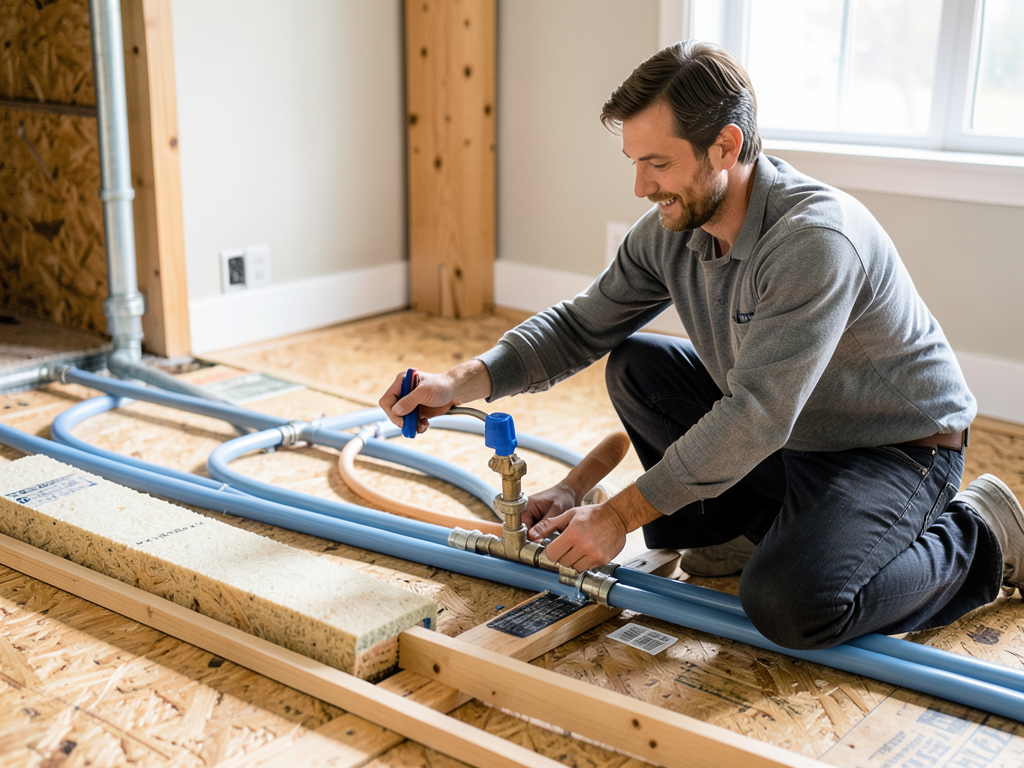
We install insulation boards beneath the tubing to direct heat upward rather than into the crawl space. This step is crucial for energy efficiency in older Laurelhurst homes with minimal insulation.
- Tubing Installation
Flexible PEX tubing is laid out according to the design plan. We secure it to the subfloor or embed it in concrete, ensuring proper spacing for even heat distribution.
- Manifold and Control Setup
The manifold distributes water to different zones throughout your home. Each zone has independent temperature control, allowing you to customize comfort in different areas.
- Boiler or Heat Pump Integration
We connect your new radiant system to existing or new heating equipment. This may involve upgrading your current boiler or installing a high-efficiency heat pump.
- Testing and Balancing
We pressure-test the entire system, check for leaks, and balance water flow to ensure each zone heats properly. This step includes programming your thermostats for optimal performance.
Permit Requirements in Seattle
Seattle building code requires permits for radiant floor heating installations. The process involves submitting detailed plans showing tubing layouts, equipment specifications, and structural modifications. King County inspections verify proper installation and code compliance.
The mechanical permit process typically takes 2-3 weeks, so plan accordingly when scheduling your project. We handle all permit applications and coordinate inspections to ensure your installation meets Seattle’s strict building standards.
Maintenance and Longevity
Radiant floor heating systems require minimal maintenance compared to traditional heating systems. Annual service includes checking water chemistry, testing pressure relief valves, and inspecting the boiler or heat pump for optimal performance.
Seattle’s soft water reduces mineral buildup in the system, extending the life of your equipment. However, we recommend annual water quality testing to ensure proper pH levels and prevent corrosion in the tubing or heat exchanger.
Common Maintenance Tasks
- Flushing the system every 3-5 years to remove sediment
- Checking manifold pressure gauges monthly
- Inspecting boiler burners annually for proper combustion
- Testing thermostat accuracy seasonally
With proper maintenance, radiant floor heating systems typically last 25-35 years, significantly longer than conventional forced-air furnaces that require replacement every 15-20 years.
Cost Considerations for Laurelhurst Homes
Installation costs vary based on your home’s size, existing conditions, and chosen system type. Whole-home installations typically range from $12-20 per square foot, while single-room additions cost $15-25 per square foot due to economies of scale.
Factors affecting your specific cost include:
| Factor | Impact on Cost | Typical Range |
|---|---|---|
| Home Age | Older homes may need subfloor reinforcement | $500-3,000 |
| Floor Height | Low ceilings limit installation options | $1,000-2,500 |
| Existing Flooring | Hardwood requires specialized installation | $2-4 per sq ft |
| Boiler Upgrade | New high-efficiency equipment | $3,000-8,000 |
| Permit Fees | Seattle mechanical permits | $300-800 |
Energy Savings Analysis
Radiant heating reduces energy consumption by maintaining lower water temperatures while achieving the same comfort level as forced-air systems. The thermal mass effect means your system runs less frequently, further reducing energy usage.
Most Laurelhurst homeowners see 15-25% reduction in heating costs after installing radiant floor heating, with higher savings in homes that previously used electric baseboard heating.
Frequently Asked Questions
How long does radiant floor heating take to warm up?
Most systems reach full temperature within 1-2 hours, though slab installations may take 4-6 hours initially. Once heated, the thermal mass maintains comfortable temperatures with minimal additional energy input.
Can I install radiant heat under existing hardwood floors?
Yes, but you’ll need engineered hardwood or specific solid wood species rated for radiant heat. The installation requires careful moisture management and temperature control to prevent warping or gaps in the flooring.
What happens if a pipe leaks in the floor?
Modern PEX tubing rarely develops leaks due to its flexibility and resistance to freeze damage. If a leak occurs, we can isolate the affected zone and make repairs without replacing your entire floor. Most leaks happen at connections, which are accessible through access panels.
Does radiant heat work with tile floors?
Tile and stone are excellent conductors of radiant heat, making them ideal flooring choices. These materials heat quickly and retain heat longer than other flooring types, maximizing your system’s efficiency.
Choosing the Right System for Your Laurelhurst Home
Selecting the appropriate radiant heating system depends on your home’s characteristics and your comfort preferences. We evaluate factors like your home’s insulation, window quality, and existing heating system to recommend the most cost-effective solution.
System Types Comparison
| System Type | Best For | Installation Cost | Operating Efficiency |
|---|---|---|---|
| Slab Installation | New construction, basements | $$ | Excellent |
| Staple-Up | Existing homes, wood floors | $$ | Good |
| Thin-Slab | Renovations, second floors | $$$ | Very Good |
| Low-Profile Panels | Height-restricted areas | $$$ |
Control Options
Modern radiant systems offer smart thermostat integration, allowing you to control temperatures from your smartphone. Multi-zone systems let you maintain different temperatures in various areas of your home, optimizing comfort and energy usage.
We program setback schedules that reduce temperatures when you’re asleep or away, then warm your home before you wake or return. This automation can reduce energy costs by an additional 10-15% compared to manual control.. Read more about 5 Questions to Ask Before Hiring a Luxury Plumbing Contractor in Medina.
Local Success Stories
We’ve installed radiant floor heating in numerous Laurelhurst homes, each with unique challenges and solutions. One recent project involved a 1925 craftsman home where we retrofitted radiant heat throughout the main floor while preserving the original hardwood flooring.
The homeowner reported 22% reduction in heating costs and eliminated the cold spots that had plagued the home for decades. The system’s quiet operation and improved air quality were unexpected bonuses that enhanced their overall satisfaction.
Another Laurelhurst project involved a modern home addition where we installed radiant heat in the new space and integrated it with the existing forced-air system. The result was seamless comfort throughout the home with the ability to heat specific zones based on usage patterns.
Environmental Impact and Sustainability
Radiant floor heating aligns with Seattle’s sustainability goals by reducing energy consumption and improving indoor air quality. The systems work exceptionally well with renewable energy sources like solar thermal collectors and ground-source heat pumps.
Many Laurelhurst homeowners are incorporating radiant heat as part of broader home electrification efforts. The systems pair perfectly with air-to-water heat pumps, which provide both heating and cooling while eliminating the need for fossil fuel combustion in your home.
Water Quality Considerations
Seattle’s water supply from the Cedar and Tolt rivers is naturally soft, which benefits radiant heating systems by reducing mineral buildup. However, we still recommend water treatment to prevent corrosion and ensure optimal system performance.
Our water testing identifies pH levels, hardness, and dissolved oxygen content. Based on these results, we may recommend specific treatments or system modifications to protect your investment and maintain efficiency.
Ready to Upgrade Your Laurelhurst Home?
Radiant floor heating transforms how you experience comfort in your Laurelhurst home. The combination of energy efficiency, improved air quality, and silent operation makes it an excellent choice for Seattle’s climate.
We provide free consultations to evaluate your home’s suitability for radiant heating and design a system that meets your specific needs and budget. Our experienced technicians handle everything from initial design through final inspection, ensuring your project meets Seattle’s building codes and your quality expectations.
Call (564) 220-5552 today to schedule your radiant floor heating consultation. We’ll assess your home, discuss your options, and provide a detailed proposal with no obligation. Don’t wait until next winter to discover the comfort and efficiency of radiant heating.
Pick up the phone and call (564) 220-5552 before the next cold snap hits. Our team is ready to help you create the warm, comfortable home you deserve.
You may also find this helpful. How to Prepare Your Admiral District Home for a Winter Sprinkler Blowout.
{
“@context”: “https://schema.org”,
“@type”: “BlogPosting”,
“headline”: “Adding Radiant Floor Heating to Your Laurelhurst Home for Better Winter Comfort”,
“description”: “Learn how radiant floor heating transforms Laurelhurst homes with energy-efficient comfort. Discover installation options, local rebates, and expert hydronic solutions for Seattle winters.”,
“wordCount”: 1897,
“datePublished”: “2026-03-19T09:08:00.000Z”,
“dateModified”: “2026-03-19T09:08:00.000Z”,
“inLanguage”: “en-US”,
“mainEntityOfPage”: {
“@type”: “WebPage”,
“@id”: “https://horizonplumbingseattle.com”
},
“publisher”: {
“@type”: “LocalBusiness”,
“name”: “Horizon Plumbing Seattle”,
“url”: “https://horizonplumbingseattle.com”
},
“author”: {
“@type”: “Organization”,
“name”: “Horizon Plumbing Seattle”,
“url”: “https://horizonplumbingseattle.com”
},
“image”: {
“@type”: “ImageObject”,
“url”: “https://horizonplumbingseattle.com/wp-content/uploads/2026/03/adding-radiant-floor-heating-to-your-laurelhurst-h-1.png”
}
}
{
“@context”: “https://schema.org”,
“@type”: “Plumber”,
“name”: “Horizon Plumbing Seattle”,
“url”: “https://horizonplumbingseattle.com”,
“address”: {
“@type”: “PostalAddress”,
“addressLocality”: “Seattle”
},
“areaServed”: {
“@type”: “City”,
“name”: “Seattle”
}
}
{
“@context”: “https://schema.org”,
“@type”: “FAQPage”,
“mainEntity”: [
{
“@type”: “Question”,
“name”: “How long does radiant floor heating take to warm up?”,
“acceptedAnswer”: {
“@type”: “Answer”,
“text”: “Most systems reach full temperature within 1-2 hours, though slab installations may take 4-6 hours initially. Once heated, the thermal mass maintains comfortable temperatures with minimal additional energy input.”
}
},
{
“@type”: “Question”,
“name”: “Can I install radiant heat under existing hardwood floors?”,
“acceptedAnswer”: {
“@type”: “Answer”,
“text”: “Yes, but you’ll need engineered hardwood or specific solid wood species rated for radiant heat. The installation requires careful moisture management and temperature control to prevent warping or gaps in the flooring.”
}
},
{
“@type”: “Question”,
“name”: “What happens if a pipe leaks in the floor?”,
“acceptedAnswer”: {
“@type”: “Answer”,
“text”: “Modern PEX tubing rarely develops leaks due to its flexibility and resistance to freeze damage. If a leak occurs, we can isolate the affected zone and make repairs without replacing your entire floor. Most leaks happen at connections, which are accessible through access panels.”
}
},
{
“@type”: “Question”,
“name”: “Does radiant heat work with tile floors?”,
“acceptedAnswer”: {
“@type”: “Answer”,
“text”: “Tile and stone are excellent conductors of radiant heat, making them ideal flooring choices. These materials heat quickly and retain heat longer than other flooring types, maximizing your system’s efficiency.”
}
},
{
“@type”: “Question”,
“name”: “Ready to Upgrade Your Laurelhurst Home?”,
“acceptedAnswer”: {
“@type”: “Answer”,
“text”: “Radiant floor heating transforms how you experience comfort in your Laurelhurst home. The combination of energy efficiency, improved air quality, and silent operation makes it an excellent choice for Seattle’s climate.”
}
}
]
}
{
“@context”: “https://schema.org”,
“@type”: “HowTo”,
“name”: “Radiant Floor Heating Installation Process”,
“step”: [
{
“@type”: “HowToStep”,
“position”: 1,
“name”: “System Design and Planning”,
“text”: “Our technicians create a detailed layout showing tubing placement, manifold locations, and control zones. We factor in your home’s insulation levels, window placement, and existing HVAC systems.”
},
{
“@type”: “HowToStep”,
“position”: 2,
“name”: “Subfloor Preparation”,
“text”: “We install insulation boards beneath the tubing to direct heat upward rather than into the crawl space. This step is crucial for energy efficiency in older Laurelhurst homes with minimal insulation.”
},
{
“@type”: “HowToStep”,
“position”: 3,
“name”: “Tubing Installation”,
“text”: “Flexible PEX tubing is laid out according to the design plan. We secure it to the subfloor or embed it in concrete, ensuring proper spacing for even heat distribution.”
},
{
“@type”: “HowToStep”,
“position”: 4,
“name”: “Manifold and Control Setup”,
“text”: “The manifold distributes water to different zones throughout your home. Each zone has independent temperature control, allowing you to customize comfort in different areas.”
},
{
“@type”: “HowToStep”,
“position”: 5,
“name”: “Boiler or Heat Pump Integration”,
“text”: “We connect your new radiant system to existing or new heating equipment. This may involve upgrading your current boiler or installing a high-efficiency heat pump.”
},
{
“@type”: “HowToStep”,
“position”: 6,
“name”: “Testing and Balancing”,
“text”: “We pressure-test the entire system, check for leaks, and balance water flow to ensure each zone heats properly. This step includes programming your thermostats for optimal performance.”
}
],
“image”: “https://horizonplumbingseattle.com/wp-content/uploads/2026/03/adding-radiant-floor-heating-to-your-laurelhurst-h-1.png”
}
{
“@context”: “https://schema.org”,
“@type”: “BreadcrumbList”,
“itemListElement”: [
{
“@type”: “ListItem”,
“position”: 1,
“name”: “Home”,
“item”: “https://horizonplumbingseattle.com”
},
{
“@type”: “ListItem”,
“position”: 2,
“name”: “Blog”,
“item”: “https://horizonplumbingseattle.com/blog”
},
{
“@type”: “ListItem”,
“position”: 3,
“name”: “Adding Radiant Floor Heating to Your Laurelhurst Home for Better Winter Comfort”
}
]
}
{
“@context”: “https://schema.org”,
“@type”: “Service”,
“serviceType”: “Plumbing”,
“provider”: {
“@type”: “LocalBusiness”,
“name”: “Horizon Plumbing Seattle”,
“url”: “https://horizonplumbingseattle.com”
},
“areaServed”: {
“@type”: “City”,
“name”: “Seattle”
},
“description”: “Learn how radiant floor heating transforms Laurelhurst homes with energy-efficient comfort. Discover installation options, local rebates, and expert hydronic solutions for Seattle winters.”
}