Planning the Plumbing for a New Basement Bathroom in Your Montlake Home
Adding a basement bathroom to your Montlake home requires careful planning and specialized plumbing knowledge. The historic character of Montlake’s early 20th-century homes combined with Seattle’s unique topography creates specific challenges that demand expert attention. From navigating narrow lot setbacks to managing Seattle’s high water table, every decision affects both functionality and compliance. Seattle Department of Construction and Inspections.
Montlake’s residential character means most homes sit on lots with limited space for equipment. Many properties back up to the Washington Park Arboretum or sit near the Lake Washington Ship Canal, creating elevation challenges for drainage. Understanding these constraints before breaking ground can save thousands in redesign costs and prevent permit delays.. Read more about Understanding the Costs of Moving a Bathroom During a Bitter Lake Home Renovation.
The first step involves determining your home’s existing sewer line depth and slope. Montlake’s older sewer infrastructure often sits at shallow depths due to the neighborhood’s relatively flat terrain. This means gravity drainage from a basement bathroom may require extensive trenching or alternative pumping solutions. A professional plumber will measure your sewer lateral depth and calculate the required slope to meet Seattle plumbing code requirements. Seattle Residential Code Chapter 30.
Understanding Montlake’s Plumbing Infrastructure
Montlake’s sewer system reflects Seattle’s growth patterns from the early 1900s. Many homes in the 98112 ZIP code area still use original clay tile sewer pipes that connect to the city’s combined sewer system. These pipes typically run at depths between 4 and 6 feet, though some older sections near the Arboretum sit even shallower. Trenchless Sewer Repair Options for Historic Capitol Hill Homes.
The neighborhood’s proximity to water bodies affects groundwater levels year-round. During Seattle’s rainy season, the water table can rise within 2-3 feet of the surface in low-lying areas. This elevation change impacts where and how you can install basement plumbing fixtures. A licensed plumber will use a soil probe to determine current groundwater levels before finalizing your bathroom layout. How to Get an Emergency Plumber in West Seattle After Hours.
Montlake’s older homes often feature balloon framing construction, which creates unique challenges for running new plumbing lines. The open wall cavities that make installation easier also require careful sealing to prevent air infiltration and maintain energy efficiency. Modern building codes mandate specific fire blocking and insulation requirements when modifying these wall systems. Plumbing Bothell.
Choosing Between Sewage Ejector Pumps and Upflush Systems
Deciding between a sewage ejector pump and an upflush toilet system represents one of the most critical choices for your basement bathroom. Each option offers distinct advantages depending on your specific situation and budget constraints.
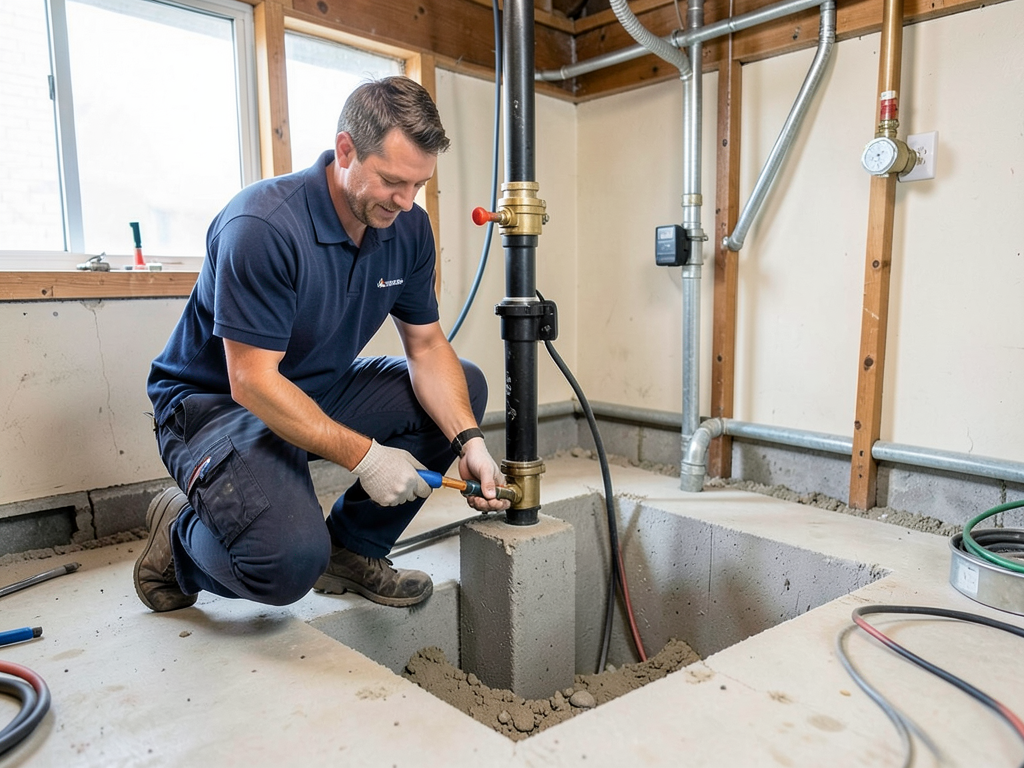
Sewage ejector pumps handle solid waste and toilet paper through a grinding mechanism before pumping everything to your main sewer line. These systems require a buried sewage basin below the basement floor, typically 18-24 inches deep. The pump activates automatically when waste reaches a certain level, grinding and forcing it upward through discharge pipes.
Upflush toilet systems, like Saniflo products, use macerating technology to process waste before pumping. These self-contained units sit directly on your basement floor, eliminating the need for concrete cutting. The macerator grinds waste into a slurry that moves through small-diameter pipes, often 3/4-inch instead of the standard 4-inch sewer line.
The choice affects both installation costs and long-term maintenance. Ejector pumps typically cost $2,000-$3,500 installed but offer greater reliability for heavy use. Upflush systems run $1,200-$2,000 but may require more frequent maintenance and have lower weight capacities. Your decision should factor in how many people will use the bathroom and whether you plan to add a shower or sink.
Installation considerations:
- Concrete cutting depth affects structural integrity
- Electrical requirements differ between systems
- Noise levels vary significantly during operation
- Emergency backup power needs for ejector pumps
Seattle Plumbing Codes and Permit Requirements
Seattle’s plumbing regulations exceed many national standards, particularly for basement installations. The Seattle Department of Construction and Inspections (SDCI) requires permits for all new plumbing fixtures, with basement bathrooms facing additional scrutiny due to their below-grade nature. Plumbing Burien.
Seattle Residential Code Section 30 governs plumbing installations, requiring all fixtures to connect to the city sewer system or approved septic system. For basement bathrooms, this means meeting specific requirements for backwater valves, which prevent sewage from backing up into your home during heavy rainfall or system overloads.
The code mandates a minimum 1/4-inch per foot slope for drain pipes, though achieving this in basement installations often proves challenging. When gravity drainage isn’t possible, the code permits the use of approved pumping systems, provided they include proper venting and alarm systems.
Permit costs for basement bathroom plumbing typically range from $450-$750, depending on the scope of work. The process includes plan review, inspections during construction, and final approval. SDCI processing times average 2-3 weeks for residential permits, though complex projects may require additional review.
Key permit requirements:
- Two rough-in inspections before covering walls
- Final inspection after fixture installation
- Backwater valve installation on main sewer line
- Proper venting to prevent trap siphonage
Concrete Cutting and Trenchless Options
Breaking through basement concrete represents one of the most disruptive aspects of bathroom installation. Traditional methods involve jackhammers and saws, creating dust, noise, and potential structural concerns. Understanding your options helps minimize damage to your home.
Standard concrete slabs in Montlake homes typically measure 4-6 inches thick, though older homes may have thinner slabs. Cutting depths must account for both the sewage basin and proper drainage slopes. A professional plumber will map existing utilities before cutting to avoid damaging electrical conduits or water lines embedded in the slab.. Read more about Why Your Older Mount Baker Home Might Still Have Dangerous Galvanized Steel Pipes.
Trenchless technology offers alternatives for certain plumbing modifications. Directional boring can install new drain lines under existing concrete without extensive demolition. This method works well for adding supply lines or small drain modifications but has limitations for major sewer line relocations.
The decision between traditional cutting and trenchless methods affects both cost and timeline. Concrete cutting typically costs $800-$1,500 for a standard bathroom installation, while trenchless options may run $1,500-$3,000 but reduce cleanup and repair time significantly.
Concrete cutting factors:
- Slab thickness and reinforcement
- Existing utility locations
- Foundation wall proximity
- Post-cut sealing requirements
Ventilation and Moisture Control Strategies
Basement bathrooms require specialized ventilation to prevent moisture buildup and maintain air quality. Montlake’s climate, with average annual rainfall exceeding 37 inches, creates conditions where poor ventilation leads to mold growth within weeks.. Read more about How to Properly Maintain Your Tankless Water Heater in the Pacific Northwest.
Building codes require exhaust fans for all bathrooms, with basement installations needing additional considerations. The fan must vent directly outdoors, not into attic spaces or wall cavities. For Montlake homes, this often means running vent pipes through side walls or up through the roof, depending on your home’s configuration.
Moisture control extends beyond ventilation. Basement bathrooms need moisture-resistant materials including cement board under tile, mold-resistant drywall, and properly sealed fixtures. The concrete slab itself can act as a moisture source, requiring vapor barriers under flooring materials.
Heating considerations also affect ventilation design. Basement spaces often feel colder than upper floors, making adequate heating essential for comfort and moisture control. Radiant floor heating or properly sized heat registers help maintain consistent temperatures that discourage condensation.
Ventilation requirements:
- Minimum 50 CFM exhaust fan capacity
- Direct outdoor venting required
- Humidity-sensing controls for automatic operation
- Proper duct sizing to prevent moisture carryover
Fixture Selection for Basement Applications
Choosing fixtures for a basement bathroom involves balancing aesthetics, functionality, and pumping system compatibility. Not all standard fixtures work well with below-grade installations, particularly those requiring specific water pressure or drainage characteristics.
Toilets represent the most critical fixture choice. Gravity-flush toilets won’t work in basement applications without extensive plumbing modifications. Instead, you’ll need either a macerating toilet that works with your pumping system or a pressure-assisted toilet designed for low-pressure situations.
Sinks and showers require careful planning for drainage. While small sinks work well with most pumping systems, larger fixtures like whirlpool tubs may exceed your system’s capacity. The drain size and flow rate must match your pump’s specifications to prevent backups.
Water supply lines for basement bathrooms often need pressure-boosting pumps if your home’s existing pressure is marginal. Montlake’s older homes sometimes have supply issues due to corroded galvanized pipes or inadequate main lines. A plumber can test your pressure and recommend solutions.
Fixture compatibility factors:
| Fixture Type | Compatibility | Special Requirements |
|---|---|---|
| Macerating Toilet | Excellent | Electrical outlet nearby |
| Pressure-Assisted Toilet | Good | Minimum 25 PSI supply |
| Standard Sink | Excellent | Proper P-trap venting |
| Shower/Tub | Variable | Pump capacity check |
Cost Factors and ROI Considerations
Basement bathroom installations represent significant investments, with costs varying based on your specific situation and choices. Understanding cost drivers helps you budget effectively and prioritize features that matter most.
Basic installations with upflush systems typically run $8,000-$12,000, while more complex projects with ejector pumps and extensive trenching can exceed $15,000-$20,000. Factors affecting cost include concrete cutting requirements, electrical upgrades, permit fees, and fixture selections.
Despite the upfront investment, basement bathrooms often provide strong returns. Real estate data shows that adding a bathroom can increase home values by 10-20% in Montlake’s competitive market. The exact return depends on your home’s current configuration and the quality of the installation.
Energy efficiency considerations also affect long-term costs. Proper insulation, efficient fixtures, and moisture control systems reduce ongoing expenses while improving comfort. These features may qualify for Seattle City Light or Puget Sound Energy rebates, offsetting some initial costs.
Cost breakdown factors:
- Plumbing materials and fixtures
- Electrical work and lighting
- Ventilation and moisture control
- Finishing materials and labor
Finding the Right Contractor in Montlake
Selecting a contractor for your basement bathroom project requires careful evaluation beyond basic licensing. Montlake’s specific challenges demand experience with historic Seattle homes and basement plumbing systems.
Look for contractors with specific experience in basement bathroom installations, not just general plumbing or remodeling work. Ask for examples of similar projects in Seattle’s older neighborhoods, particularly those involving sewage pumping systems or historic home modifications.
Verify licensing through the Washington State Department of Labor and Industries. A valid plumbing license requires specific training and continuing education, ensuring your contractor understands current codes and best practices. Insurance coverage should include both liability and workers’ compensation.
Communication style matters significantly for complex projects. Your contractor should explain technical concepts clearly, provide detailed written estimates, and maintain consistent communication throughout the project. Avoid contractors who resist providing references or hesitate to explain their processes.
Contractor evaluation criteria:
- Specific basement plumbing experience
- Local references and portfolio
- Proper licensing and insurance
- Clear communication and detailed estimates
Common Mistakes to Avoid
Even well-planned basement bathroom projects can encounter problems when homeowners overlook critical details. Understanding common pitfalls helps you avoid costly mistakes and ensures a successful installation.
Underestimating drainage requirements represents one of the most frequent errors. Homeowners often assume standard fixtures will work without considering the elevation differences between basement drains and main sewer lines. This leads to inadequate pumping systems that fail under normal use.
Ignoring moisture control creates problems that emerge months after installation. Basement bathrooms need specialized ventilation, moisture barriers, and proper sealing to prevent mold growth and material damage. Cutting corners on these systems results in expensive remediation work later.
Overlooking electrical requirements causes functional problems and code violations. Pumping systems, exhaust fans, and lighting all need proper circuits with appropriate GFCI protection. Many basement bathrooms require electrical panel upgrades to handle the additional load safely.
Critical mistakes to avoid:
- Choosing inadequate pumping capacity
- Skipping proper moisture barriers
- Neglecting electrical code requirements
- Ignoring permit requirements
Maintenance and Troubleshooting
Even well-installed basement bathrooms require ongoing maintenance to ensure reliable operation. Understanding maintenance requirements helps you protect your investment and avoid emergency repairs. Reliable Commercial Plumbers for South Lake Union Businesses and Restaurants.
Pumping systems need regular inspection and cleaning to prevent failures. Most manufacturers recommend annual professional servicing, including checking pump operation, cleaning filters, and testing alarm systems. Between professional services, homeowners should listen for unusual noises and watch for slow drains.
Ventilation systems require filter changes and duct cleaning to maintain efficiency. Basement bathrooms often accumulate more dust and debris than upper-level bathrooms due to their location. Clean exhaust fan covers quarterly and replace filters according to manufacturer recommendations.
Plumbing fixtures in basement bathrooms may need more frequent attention than those in upper levels. The pumping systems and pressure variations can cause different wear patterns on seals and valves. Address minor leaks promptly to prevent water damage to finished surfaces.
Maintenance schedule:
- Monthly: Check for leaks and unusual sounds
- Quarterly: Clean exhaust fan and check filters
- Annually: Professional system inspection and cleaning
- Every 3-5 years: Complete system evaluation
Frequently Asked Questions
How long does a basement bathroom installation take?
Most basement bathroom projects require 2-3 weeks from start to finish. This includes permit acquisition, demolition, plumbing installation, inspections, and finishing work. Complex projects with extensive trenching or structural modifications may extend to 4-6 weeks.
Can I install a basement bathroom myself?
DIY installation is not recommended for basement bathrooms due to complex plumbing, electrical, and code requirements. Professional installation ensures proper function, code compliance, and warranty protection. Many municipalities require licensed professionals for plumbing and electrical work.
What’s the best toilet option for a basement bathroom?
Macerating toilets offer the best combination of reliability and ease of installation for most basement applications. They work with existing plumbing systems, require minimal floor modification, and handle typical household waste effectively. Pressure-assisted toilets work well when adequate water pressure is available.
How much does a basement bathroom add to home value?
Basement bathrooms typically add 10-20% to home values in Seattle’s market, though the exact return depends on your home’s current configuration and the quality of the installation. The added functionality often proves more valuable than the percentage increase suggests.
Do I need a permit for a basement bathroom in Montlake?
Yes, Seattle requires permits for all new plumbing fixtures, with basement bathrooms facing additional scrutiny. The permit process ensures code compliance and includes required inspections. Permit costs typically range from $450-$750 depending on project scope.
What happens if my sewage ejector pump fails?
Most modern systems include alarm notifications for pump failures. During outages, avoid using the bathroom to prevent backups. Many homeowners install battery backup systems to maintain operation during power failures. Professional servicing can often prevent most failures through early detection.
Ready to Add a Basement Bathroom to Your Montlake Home?
Adding a basement bathroom requires specialized knowledge of Seattle’s plumbing codes, Montlake’s unique infrastructure challenges, and modern pumping technologies. The right contractor can transform your basement into a functional, code-compliant space that adds value to your home.
Don’t let the complexity of basement plumbing overwhelm you. Our team understands the specific challenges of working in Montlake’s historic homes and can guide you through every step of the process. From initial design to final inspection, we ensure your new bathroom meets all requirements while staying within your budget.
Call (564) 220-5552 today to schedule your free consultation. We’ll assess your specific situation, explain your options, and provide a detailed estimate with no obligation. Your dream basement bathroom is closer than you think.
Pick up the phone and call (564) 220-5552 before the next storm season hits. Montlake’s high water table and aging infrastructure make timing critical for basement plumbing projects. Don’t wait until problems force your hand – take control of your home’s potential today.
Horizon Plumbing Seattle – Your Montlake basement bathroom specialists. Serving the 98112 area and surrounding Seattle neighborhoods with expert plumbing solutions since 2018.
{
“@context”: “https://schema.org”,
“@type”: “BlogPosting”,
“headline”: “Planning the Plumbing for a New Basement Bathroom in Your Montlake Home”,
“description”: “Adding a basement bathroom in Montlake requires specialized plumbing knowledge. Learn about sewage ejector pumps, permits, and local codes for your historic Seattle home.”,
“wordCount”: 2554,
“datePublished”: “2026-03-26T08:32:00.000Z”,
“dateModified”: “2026-03-26T08:32:00.000Z”,
“inLanguage”: “en-US”,
“mainEntityOfPage”: {
“@type”: “WebPage”,
“@id”: “https://horizonplumbingseattle.com”
},
“publisher”: {
“@type”: “LocalBusiness”,
“name”: “Horizon Plumbing Seattle”,
“url”: “https://horizonplumbingseattle.com”
},
“author”: {
“@type”: “Organization”,
“name”: “Horizon Plumbing Seattle”,
“url”: “https://horizonplumbingseattle.com”
},
“image”: {
“@type”: “ImageObject”,
“url”: “https://horizonplumbingseattle.com/wp-content/uploads/2026/03/planning-the-plumbing-for-a-new-basement-bathroom-1.png”
}
}
{
“@context”: “https://schema.org”,
“@type”: “Plumber”,
“name”: “Horizon Plumbing Seattle”,
“url”: “https://horizonplumbingseattle.com”,
“address”: {
“@type”: “PostalAddress”,
“addressLocality”: “Seattle”
},
“areaServed”: {
“@type”: “City”,
“name”: “Seattle”
}
}
{
“@context”: “https://schema.org”,
“@type”: “FAQPage”,
“mainEntity”: [
{
“@type”: “Question”,
“name”: “How long does a basement bathroom installation take?”,
“acceptedAnswer”: {
“@type”: “Answer”,
“text”: “Most basement bathroom projects require 2-3 weeks from start to finish. This includes permit acquisition, demolition, plumbing installation, inspections, and finishing work. Complex projects with extensive trenching or structural modifications may extend to 4-6 weeks.”
}
},
{
“@type”: “Question”,
“name”: “Can I install a basement bathroom myself?”,
“acceptedAnswer”: {
“@type”: “Answer”,
“text”: “DIY installation is not recommended for basement bathrooms due to complex plumbing, electrical, and code requirements. Professional installation ensures proper function, code compliance, and warranty protection. Many municipalities require licensed professionals for plumbing and electrical work.”
}
},
{
“@type”: “Question”,
“name”: “What’s the best toilet option for a basement bathroom?”,
“acceptedAnswer”: {
“@type”: “Answer”,
“text”: “Macerating toilets offer the best combination of reliability and ease of installation for most basement applications. They work with existing plumbing systems, require minimal floor modification, and handle typical household waste effectively. Pressure-assisted toilets work well when adequate water pressure is available.”
}
},
{
“@type”: “Question”,
“name”: “How much does a basement bathroom add to home value?”,
“acceptedAnswer”: {
“@type”: “Answer”,
“text”: “Basement bathrooms typically add 10-20% to home values in Seattle’s market, though the exact return depends on your home’s current configuration and the quality of the installation. The added functionality often proves more valuable than the percentage increase suggests.”
}
},
{
“@type”: “Question”,
“name”: “Do I need a permit for a basement bathroom in Montlake?”,
“acceptedAnswer”: {
“@type”: “Answer”,
“text”: “Yes, Seattle requires permits for all new plumbing fixtures, with basement bathrooms facing additional scrutiny. The permit process ensures code compliance and includes required inspections. Permit costs typically range from $450-$750 depending on project scope.”
}
},
{
“@type”: “Question”,
“name”: “What happens if my sewage ejector pump fails?”,
“acceptedAnswer”: {
“@type”: “Answer”,
“text”: “Most modern systems include alarm notifications for pump failures. During outages, avoid using the bathroom to prevent backups. Many homeowners install battery backup systems to maintain operation during power failures. Professional servicing can often prevent most failures through early detection.”
}
},
{
“@type”: “Question”,
“name”: “Ready to Add a Basement Bathroom to Your Montlake Home?”,
“acceptedAnswer”: {
“@type”: “Answer”,
“text”: “Adding a basement bathroom requires specialized knowledge of Seattle’s plumbing codes, Montlake’s unique infrastructure challenges, and modern pumping technologies. The right contractor can transform your basement into a functional, code-compliant space that adds value to your home.”
}
}
]
}
{
“@context”: “https://schema.org”,
“@type”: “BreadcrumbList”,
“itemListElement”: [
{
“@type”: “ListItem”,
“position”: 1,
“name”: “Home”,
“item”: “https://horizonplumbingseattle.com”
},
{
“@type”: “ListItem”,
“position”: 2,
“name”: “Blog”,
“item”: “https://horizonplumbingseattle.com/blog”
},
{
“@type”: “ListItem”,
“position”: 3,
“name”: “Planning the Plumbing for a New Basement Bathroom in Your Montlake Home”
}
]
}
{
“@context”: “https://schema.org”,
“@type”: “Service”,
“serviceType”: “Plumbing”,
“provider”: {
“@type”: “LocalBusiness”,
“name”: “Horizon Plumbing Seattle”,
“url”: “https://horizonplumbingseattle.com”
},
“areaServed”: {
“@type”: “City”,
“name”: “Seattle”
},
“description”: “Adding a basement bathroom in Montlake requires specialized plumbing knowledge. Learn about sewage ejector pumps, permits, and local codes for your historic Seattle home.”
}