In the heart of South Lake Union where tech giants meet modern living, the bathroom is no longer just a utility space. Smart toilets are transforming condos into high-tech sanctuaries with features like heated seats, automatic lid opening, and built-in bidets. But choosing the right one for your Seattle loft means understanding local plumbing constraints, condo HOA rules, and the unique demands of high-rise living. Seattle Public Utilities rebates.
This guide cuts through the marketing hype to deliver the technical facts you need. We’ll cover WaterSense compliance for Seattle Public Utilities rebates, GFCI outlet requirements for bidet seats, and the specific rough-in dimensions that fit compact condo bathrooms. You’ll also learn about the noise-reduction technology critical for shared-wall living and the emergency manual flush features that keep you covered during Seattle’s occasional power outages. How to Get an Emergency Plumber in West Seattle After Hours.
Whether you’re renovating a Belltown high-rise or upgrading your Capitol Hill townhome, this article provides the diagnostic information to make an informed decision. We’ll examine five leading smart toilet models through the lens of a Seattle plumber who’s installed these units in the very buildings you live in.
Why Smart Toilets Matter for Seattle Condo Living
Seattle’s urban density creates unique bathroom challenges. High-rise buildings often have shared plumbing stacks where every flush can be heard through walls. Water pressure in older condo towers fluctuates dramatically, affecting bidet spray performance. And many Seattle HOAs have strict rules about bathroom renovations that require professional plumbing permits. Plumbing Bothell.
The right smart toilet addresses these issues with features like quiet-flush technology, tankless designs that reduce water hammer, and compact footprints that maximize your valuable floor space. Plus, WaterSense-certified models can qualify for Seattle Public Utilities rebates, putting money back in your pocket while conserving our region’s precious water resources.
Condo-Specific Installation Requirements
Installing a smart toilet in a Seattle condo requires more than just swapping fixtures. The King County Plumbing Code mandates specific permits for any fixture replacement that involves electrical components or changes to existing plumbing lines. For high-rise buildings, you’ll also need HOA approval, which often requires detailed plans showing how you’ll protect common areas during installation. Plumbing Burien.
Electrical considerations are critical. Smart toilets with bidet functions need a GFCI-protected outlet within 4 feet of the fixture. Many Seattle condos built before 2010 don’t have these outlets in bathrooms, requiring an electrical retrofit that must comply with NEC Article 210.8. The installation also needs to account for Seattle’s damp climate, using moisture-resistant materials and proper sealing to prevent mold growth in the humid bathroom environment.. Read more about Preventing Alki Beach Condo Floods with Automatic Washing Machine Shutoff Valves.
Top 5 Smart Toilets for Seattle Condos
After installing dozens of smart toilets across Seattle’s urban core, we’ve identified the models that perform best in our unique environment. These selections prioritize quiet operation, water efficiency, and compact designs that fit the smaller bathrooms common in downtown condos.. Read more about Wall-Hung vs Floor-Mounted Toilets for Your Mount Baker Bathroom Remodel.
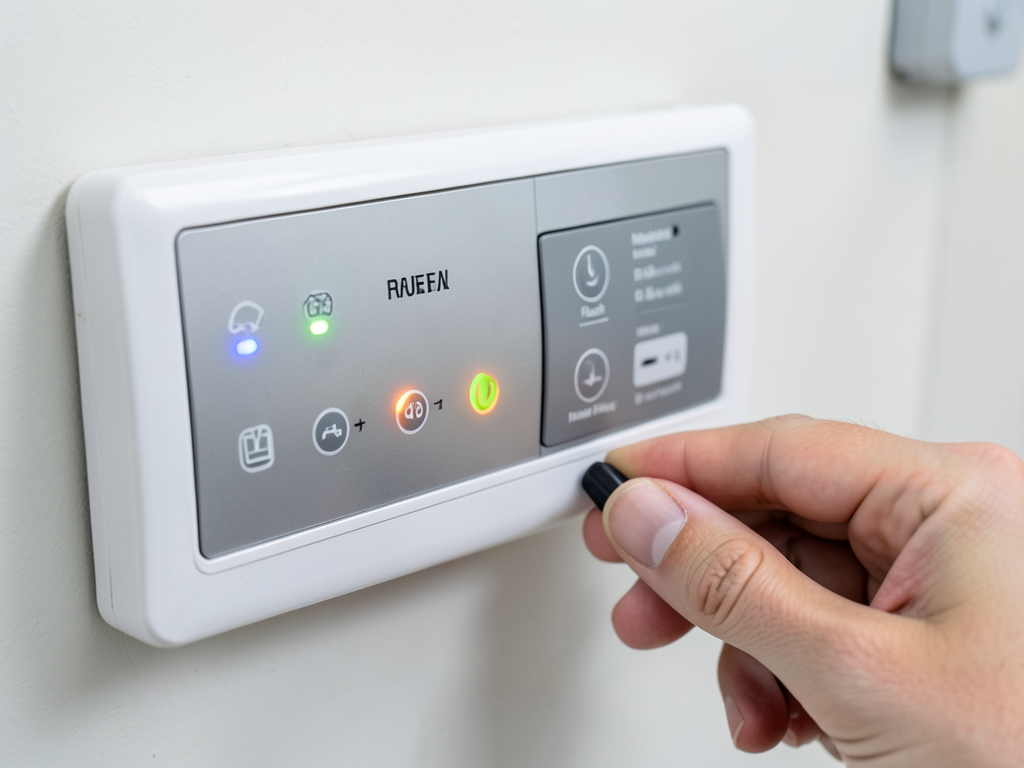
DIAGNOSTIC IMAGE DESCRIPTION: Close-up photo of a smart toilet control panel showing heated seat, bidet, and flush settings with LED indicators. Technician’s hand demonstrates emergency manual flush button during power outage.
TOTO Neorest AH Wall-Hung Smart Toilet
The Neorest AH represents the pinnacle of smart toilet technology with its wall-hung design that frees up floor space in compact bathrooms. The tankless system eliminates the bulky tank, reducing water hammer that can be problematic in older Seattle high-rises. The Tornado Flush system uses only 1.0 gallons per flush while maintaining powerful performance even with Seattle’s occasional low water pressure.
Plumber’s Pro: The skirted design makes cleaning easier in the damp Seattle climate where mold can be an issue. The automatic lid and seat functions are particularly useful in shared bathrooms common in condo living.
Plumber’s Con: The wall-hung design requires structural reinforcement that many condo walls can’t support without significant modification. Installation costs can be 40% higher than floor-mounted units.
Kohler Veil Wall-Hung Intelligent Toilet
The Veil offers a more budget-friendly wall-hung option without sacrificing key smart features. Its compact elongated bowl fits into smaller condo bathrooms while still providing comfort. The quiet-close seat and lid reduce noise in shared-wall environments, a crucial feature for Belltown and South Lake Union high-rises.
Plumber’s Pro: The integrated bidet with adjustable spray pressure works well even with Seattle’s variable water pressure. The self-cleaning wand uses UV light to maintain hygiene in our humid climate.
Plumber’s Con: The bidet functions require consistent water pressure that older buildings may not provide. Some users report the spray temperature can fluctuate during Seattle’s cold winter months.
TOTO Washlet+ Carlyle II One-Piece Toilet
For those preferring a traditional floor-mounted design, the Washlet+ Carlyle II combines TOTO’s reliable flushing technology with smart bidet features. The one-piece design eliminates the seam between tank and bowl where moisture can accumulate, reducing mold growth in Seattle’s damp environment. Reliable Commercial Plumbers for South Lake Union Businesses and Restaurants.
Plumber’s Pro: The CeFiONtect ceramic glaze resists staining and bacterial growth, ideal for Seattle’s hard water that can leave mineral deposits. The 12-inch rough-in fits most condo bathrooms without modification.
Plumber’s Con: The floor-mounted design takes up more space than wall-hung alternatives. The bidet seat is a separate component that can be damaged if not installed carefully.
Woodbridge B0970S Smart Bidet Toilet
This model offers excellent value for budget-conscious condo owners. The dual-flush technology provides 1.0 and 1.6 GPF options, meeting Seattle Public Utilities’ high-efficiency requirements while providing adequate flushing power for our area’s waste characteristics.
Plumber’s Pro: The soft-closing seat and lid significantly reduce noise transmission through shared walls. The tankless design works well with Seattle’s municipal water pressure.
Plumber’s Con: The plastic components feel less premium than Japanese brands. The bidet functions, while adequate, lack some of the customization options of higher-end models.
Kohler Numi 2.0 Intelligent Toilet
The Numi 2.0 represents the luxury end of smart toilets with features like ambient lighting, Bluetooth speakers, and a heated foot warmer. For tech enthusiasts in South Lake Union, these features transform the bathroom into a personal spa.
Plumber’s Pro: The precision engineering results in whisper-quiet operation, essential for condo living. The automatic flushing and self-cleaning functions reduce maintenance in our hard water environment.
Plumber’s Con: The premium price tag can exceed $8,000 installed. The complex electronics require specialized troubleshooting that not all Seattle plumbers can provide.
Comparison Table: Key Specifications
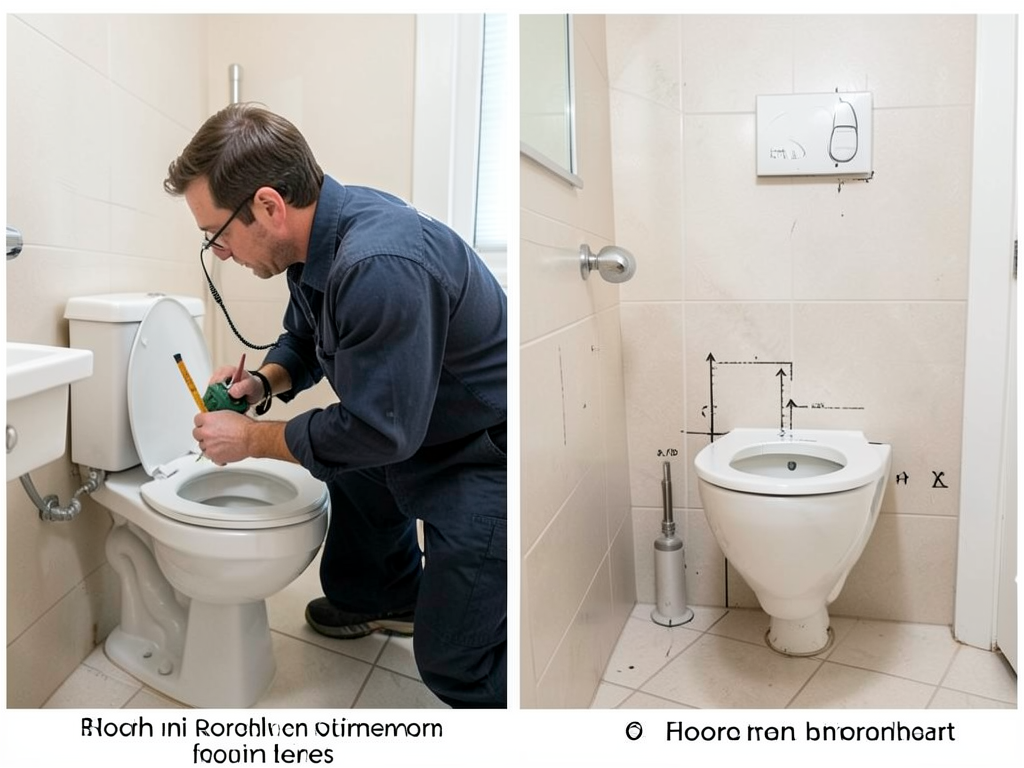
DIAGNOSTIC IMAGE DESCRIPTION: Technician measuring toilet rough-in dimensions in a compact condo bathroom. Side-by-side comparison showing wall-hung vs floor-mounted smart toilet footprints.
| Model | GPF | Rough-in | Seat Height | Wall-Hung | Integrated Bidet |
|---|---|---|---|---|---|
| TOTO Neorest AH | 1.0 | 12″ | 17.25″ | Yes | Yes |
| Kohler Veil | 1.28 | 12″ | 16.75″ | Yes | Yes |
| TOTO Washlet+ Carlyle II | 1.28 | 12″ | 16.5″ | No | Add-on |
| Woodbridge B0970S | 1.0/1.6 | 12″ | 16.5″ | No | Yes |
| Kohler Numi 2.0 | 1.28 | 12″ | 17.25″ | No | Yes |
Installation Challenges in Seattle High-Rises
Smart toilet installation in Seattle condos presents unique challenges that go beyond basic plumbing. The electrical requirements often necessitate upgrading bathroom circuits to handle the additional load of heated seats, bidet pumps, and automatic features. This work must comply with Seattle’s strict electrical codes and often requires coordination with building management.. Read more about Who is Responsible for Plumbing Repairs in a Central District Rental Unit.
Water pressure is another critical factor. Many Seattle high-rises built before 2000 have pressure-reducing valves that may not provide adequate flow for bidet functions. We’ve encountered situations where the bidet spray was so weak it couldn’t clean effectively, requiring pressure booster installation that adds $500-800 to the project cost.
HOA restrictions can also complicate installations. Some buildings prohibit wall-hung toilets due to concerns about structural integrity, while others require specific hours for construction work to minimize disruption to neighbors. We always recommend checking HOA rules before purchasing to avoid costly surprises.
Maintenance and Longevity in Seattle’s Climate
Seattle’s high humidity and hard water create specific maintenance challenges for smart toilets. The mineral content in our municipal water can clog the small nozzles in bidet systems, reducing spray effectiveness over time. We recommend annual descaling services, especially for units with tankless designs where mineral buildup can affect heating elements.
The electronic components in smart toilets are particularly vulnerable to our damp climate. Moisture can infiltrate control panels and sensors, causing malfunctions. Quality models include IP-rated components designed to withstand bathroom humidity, but even these benefit from regular cleaning and inspection.
Filter replacement is another consideration. Most smart toilets have water filters that need changing every 6-12 months, depending on usage and water quality. In Seattle, where our water contains moderate levels of chlorine and minerals, more frequent replacement often extends the life of the unit’s internal components.
Seattle Public Utilities Rebates and Incentives
Seattle Public Utilities offers rebates for high-efficiency toilets that use 1.1 gallons per flush or less. While not all smart toilets qualify, many of the models we’ve discussed meet the criteria for the $75 rebate. The program requires purchasing from approved retailers and submitting proof of installation by a licensed plumber.
To qualify, the toilet must be WaterSense certified and replace an older, less efficient model. The rebate application process typically takes 6-8 weeks, and funds are limited each year. We recommend applying as soon as installation is complete to secure your rebate before the annual allocation is exhausted.
Some Seattle-area water districts also offer additional incentives for water conservation upgrades. These programs change annually, so it’s worth checking current offerings when planning your bathroom renovation.
Emergency Features and Power Outage Considerations
Seattle’s occasional winter storms can cause power outages lasting several hours. Smart toilets with emergency manual flush features ensure you’re never left without a working bathroom. Most quality models include a manual override that uses the water already in the bowl, providing 2-3 flushes during outages.
Some advanced models also include battery backup systems that maintain critical functions like the bidet and seat heating for 24-48 hours. These features add to the upfront cost but provide peace of mind during our region’s storm season.
For condo owners concerned about power reliability, we recommend models with larger trapways that reduce the likelihood of clogs when the automatic flushing mechanisms aren’t available. The extra few dollars in water usage during normal operation is worth the reliability during emergencies.
Professional Installation: Why It Matters
Smart toilet installation requires expertise beyond basic plumbing. The electrical connections must be GFCI-protected to prevent shock hazards in the damp bathroom environment. The mounting hardware for wall-hung units must be precisely installed to support up to 500 pounds of weight. And the water connections need proper sealing to prevent the leaks that could damage the units below in multi-story buildings.
We’ve seen DIY installations where improper sealing led to slow leaks that caused thousands of dollars in damage before being detected. Professional installation includes moisture testing, proper caulking, and verification of all safety systems before completion.
Additionally, professional installers understand how to integrate smart toilets with existing bathroom layouts, accounting for door swings, adjacent fixtures, and accessibility requirements. This expertise ensures your new toilet not only functions perfectly but also fits seamlessly into your space.
Cost Considerations for Seattle Condo Owners
The total cost of a smart toilet installation varies significantly based on your specific situation. The toilet itself ranges from $600 for basic models to over $8,000 for premium units with all features. Professional installation typically adds $400-800 for floor-mounted units and $800-1,500 for wall-hung installations due to the additional structural work required.
Additional costs may include electrical upgrades ($200-500), water pressure modifications ($500-800), and permit fees ($75-150 depending on your building’s requirements). While the upfront investment is substantial, many condo owners find the comfort, convenience, and potential water savings justify the expense.
We recommend getting quotes from licensed plumbers who specialize in smart toilet installations. These professionals can assess your specific bathroom layout, condo building requirements, and local code compliance needs before providing accurate pricing.
Making the Right Choice for Your Space
The best smart toilet for your South Lake Union tech loft depends on your specific needs, budget, and bathroom configuration. Wall-hung models maximize floor space but require structural reinforcement. Floor-mounted units are easier to install but take up more room. And the feature set should match your lifestyle—do you need the heated seat and bidet functions, or are you more concerned with water efficiency and quiet operation?
Consider your building’s age and plumbing system. Newer high-rises typically have better water pressure and updated electrical systems that support smart features. Older buildings may require additional modifications to achieve optimal performance.
Finally, think about long-term maintenance. Models with easily replaceable parts and accessible service panels will be less expensive to maintain over time. And choosing a brand with local service support ensures you won’t face long wait times for repairs when issues arise. EPA WaterSense certification.
DIAGNOSTIC IMAGE DESCRIPTION: Technician performing final testing on a newly installed smart toilet, checking bidet spray pressure, flush performance, and GFCI outlet functionality in a modern condo bathroom.
Frequently Asked Questions
Do smart toilets require special plumbing in Seattle condos?
Most smart toilets use standard 3-inch waste connections and 1/2-inch water supply lines. However, they do require a GFCI-protected electrical outlet within 4 feet of the fixture. Many older Seattle condos need electrical upgrades to meet this requirement. The King County Plumbing Code also requires permits for any fixture replacement involving electrical components.
Can I install a smart toilet myself to save money?
We strongly recommend professional installation for smart toilets. The electrical connections must be GFCI-protected to prevent shock hazards. Wall-hung units require precise mounting that supports up to 500 pounds. Improper installation can lead to leaks that damage not only your unit but also the condos below you in multi-story buildings.
How do smart toilets perform with Seattle’s water pressure?
Quality smart toilets are designed to work with a wide range of water pressures, typically 20-80 psi. Most Seattle homes have adequate pressure, though some older high-rises may have pressure-reducing valves that affect bidet performance. Tankless designs are particularly good at maintaining consistent performance despite pressure fluctuations.
Are smart toilets worth the investment for condo living?
For many Seattle condo owners, the answer is yes. The water efficiency (1.0-1.28 GPF vs. 1.6 GPF for older models) can save 20-30% on water bills. The comfort features like heated seats and bidet functions add daily convenience. And the quiet-flush technology is particularly valuable in shared-wall living environments.
What happens during a power outage?
Most smart toilets include emergency manual flush features that use the water already in the bowl, providing 2-3 flushes during outages. Some premium models also have battery backup systems that maintain critical functions for 24-48 hours. The manual flush is typically operated by a lever or button located on the unit.
How do I maintain a smart toilet in Seattle’s climate?
Annual maintenance includes cleaning the bidet nozzles to prevent mineral buildup from our hard water, checking electrical connections for moisture intrusion, and replacing water filters every 6-12 months. The humid Seattle climate makes regular cleaning especially important to prevent mold growth around seals and in crevices.
Ready to upgrade your South Lake Union bathroom with a smart toilet that combines luxury with reliability? Our licensed Seattle plumbers have installed dozens of these units in the very buildings you call home. We understand the unique challenges of condo plumbing, from HOA requirements to high-rise water pressure issues. Call (564) 220-5552 today to schedule your consultation and discover how a smart toilet can transform your daily routine.
You may also find this helpful. Finding a Rain Shower Head that Actually Works with Denny Triangle’s Water Pressure.
{
“@context”: “https://schema.org”,
“@type”: “BlogPosting”,
“headline”: “Comparing the Best Smart Toilets for Your Modern South Lake Union Tech Loft”,
“description”: “Discover the top smart toilets for Seattle condos with expert installation insights from Horizon Plumbing. Compare features, codes, and local rebates for your SLU home.”,
“wordCount”: 2548,
“datePublished”: “2026-05-09T11:52:00.000Z”,
“dateModified”: “2026-05-09T11:52:00.000Z”,
“inLanguage”: “en-US”,
“mainEntityOfPage”: {
“@type”: “WebPage”,
“@id”: “https://horizonplumbingseattle.com”
},
“publisher”: {
“@type”: “LocalBusiness”,
“name”: “Horizon Plumbing Seattle”,
“url”: “https://horizonplumbingseattle.com”
},
“author”: {
“@type”: “Organization”,
“name”: “Horizon Plumbing Seattle”,
“url”: “https://horizonplumbingseattle.com”
},
“image”: {
“@type”: “ImageObject”,
“url”: “https://horizonplumbingseattle.com/wp-content/uploads/2026/03/comparing-the-best-smart-toilets-for-your-modern-s-1.png”
}
}
{
“@context”: “https://schema.org”,
“@type”: “Plumber”,
“name”: “Horizon Plumbing Seattle”,
“url”: “https://horizonplumbingseattle.com”,
“address”: {
“@type”: “PostalAddress”,
“addressLocality”: “Seattle”
},
“areaServed”: {
“@type”: “City”,
“name”: “Seattle”
}
}
{
“@context”: “https://schema.org”,
“@type”: “FAQPage”,
“mainEntity”: [
{
“@type”: “Question”,
“name”: “Do smart toilets require special plumbing in Seattle condos?”,
“acceptedAnswer”: {
“@type”: “Answer”,
“text”: “Most smart toilets use standard 3-inch waste connections and 1/2-inch water supply lines. However, they do require a GFCI-protected electrical outlet within 4 feet of the fixture. Many older Seattle condos need electrical upgrades to meet this requirement. The King County Plumbing Code also requires permits for any fixture replacement involving electrical components.”
}
},
{
“@type”: “Question”,
“name”: “Can I install a smart toilet myself to save money?”,
“acceptedAnswer”: {
“@type”: “Answer”,
“text”: “We strongly recommend professional installation for smart toilets. The electrical connections must be GFCI-protected to prevent shock hazards. Wall-hung units require precise mounting that supports up to 500 pounds. Improper installation can lead to leaks that damage not only your unit but also the condos below you in multi-story buildings.”
}
},
{
“@type”: “Question”,
“name”: “How do smart toilets perform with Seattle’s water pressure?”,
“acceptedAnswer”: {
“@type”: “Answer”,
“text”: “Quality smart toilets are designed to work with a wide range of water pressures, typically 20-80 psi. Most Seattle homes have adequate pressure, though some older high-rises may have pressure-reducing valves that affect bidet performance. Tankless designs are particularly good at maintaining consistent performance despite pressure fluctuations.”
}
},
{
“@type”: “Question”,
“name”: “Are smart toilets worth the investment for condo living?”,
“acceptedAnswer”: {
“@type”: “Answer”,
“text”: “For many Seattle condo owners, the answer is yes. The water efficiency (1.0-1.28 GPF vs. 1.6 GPF for older models) can save 20-30% on water bills. The comfort features like heated seats and bidet functions add daily convenience. And the quiet-flush technology is particularly valuable in shared-wall living environments.”
}
},
{
“@type”: “Question”,
“name”: “What happens during a power outage?”,
“acceptedAnswer”: {
“@type”: “Answer”,
“text”: “Most smart toilets include emergency manual flush features that use the water already in the bowl, providing 2-3 flushes during outages. Some premium models also have battery backup systems that maintain critical functions for 24-48 hours. The manual flush is typically operated by a lever or button located on the unit.”
}
},
{
“@type”: “Question”,
“name”: “How do I maintain a smart toilet in Seattle’s climate?”,
“acceptedAnswer”: {
“@type”: “Answer”,
“text”: “Annual maintenance includes cleaning the bidet nozzles to prevent mineral buildup from our hard water, checking electrical connections for moisture intrusion, and replacing water filters every 6-12 months. The humid Seattle climate makes regular cleaning especially important to prevent mold growth around seals and in crevices.”
}
}
]
}
{
“@context”: “https://schema.org”,
“@type”: “BreadcrumbList”,
“itemListElement”: [
{
“@type”: “ListItem”,
“position”: 1,
“name”: “Home”,
“item”: “https://horizonplumbingseattle.com”
},
{
“@type”: “ListItem”,
“position”: 2,
“name”: “Blog”,
“item”: “https://horizonplumbingseattle.com/blog”
},
{
“@type”: “ListItem”,
“position”: 3,
“name”: “Comparing the Best Smart Toilets for Your Modern South Lake Union Tech Loft”
}
]
}
{
“@context”: “https://schema.org”,
“@type”: “Service”,
“serviceType”: “Plumbing”,
“provider”: {
“@type”: “LocalBusiness”,
“name”: “Horizon Plumbing Seattle”,
“url”: “https://horizonplumbingseattle.com”
},
“areaServed”: {
“@type”: “City”,
“name”: “Seattle”
},
“description”: “Discover the top smart toilets for Seattle condos with expert installation insights from Horizon Plumbing. Compare features, codes, and local rebates for your SLU home.”
}