
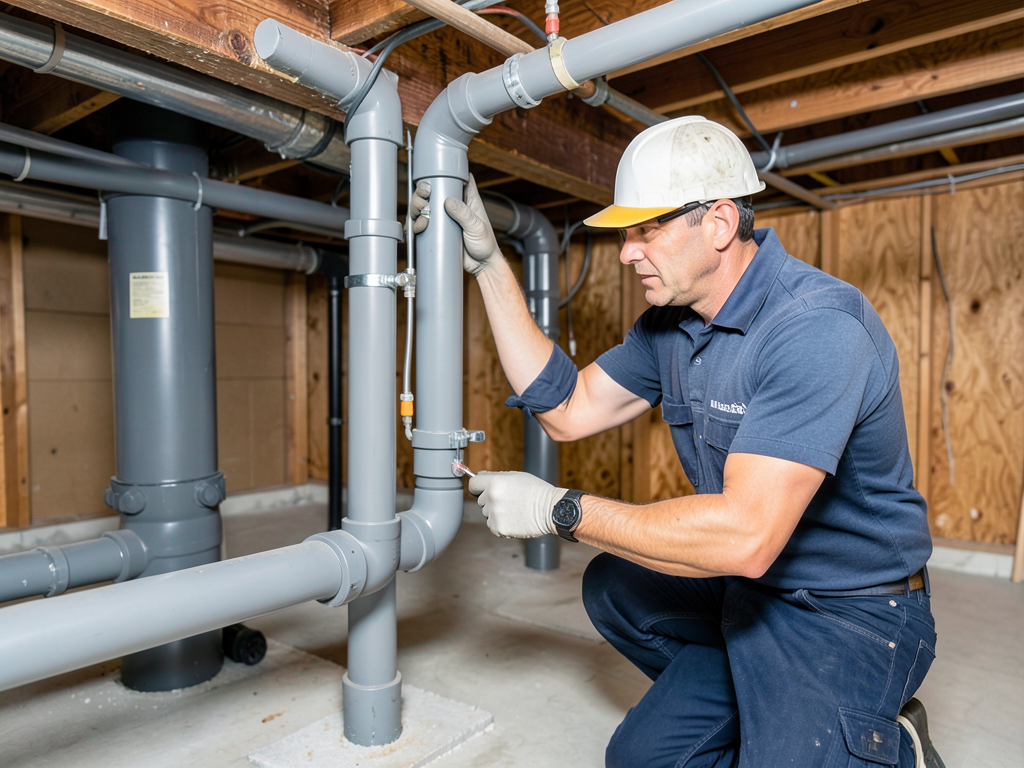
Finding a Trusted Plumber for Polybutylene Pipe Replacement in Fremont
Polybutylene pipes were installed in thousands of Seattle homes from the late 1970s through the mid-1990s before failing prematurely due to chlorine degradation. If your Fremont home was built during this period and has gray plastic pipes with copper or plastic fittings you likely have a ticking time bomb in your walls. These pipes deteriorate from the inside out making failure unpredictable and potentially catastrophic. The Seattle Department of Construction and Inspections now requires full replacement when polybutylene is discovered during inspections as these pipes violate current King County plumbing codes for potable water systems. Seattle Department of Construction and Inspections.
Replacing polybutylene isn’t just a repair. It’s a critical home improvement that protects your property from water damage mold growth and costly emergency repairs. Fremont’s older homes particularly those near Gas Works Park and along North 34th Street often contain these problematic pipes that need immediate attention from licensed professionals who understand Seattle’s specific building requirements and water chemistry.. Read more about The Best Tankless Water Heater Installers in Bellevue and Kirkland.
Why Polybutylene Pipes Fail in Seattle Homes
Polybutylene pipes react with chlorine and other chemicals in Seattle’s treated water supply. Over time the plastic becomes brittle and develops micro-fractures that expand until catastrophic failure occurs. The pipes often look fine from the outside while deteriorating internally making visual inspection unreliable. When these pipes burst they release pressurized water directly into walls ceilings and floors causing extensive damage within minutes. King County plumbing codes.
Seattle’s soft water profile accelerates this degradation process. The Cedar River and Tolt River watersheds provide water with low mineral content but consistent chlorine levels that break down polybutylene’s polymer structure. Homes in Fremont’s hillside areas face additional pressure challenges due to elevation changes putting extra stress on already compromised pipes. The combination of chemical degradation and hydraulic pressure creates a perfect storm for failure.. Read more about Fixing Low Water Pressure in University District Rental Properties.
Temperature fluctuations common to Seattle’s climate also contribute to polybutylene failure. While we don’t experience extreme cold the freeze-thaw cycles during winter months cause expansion and contraction in weakened pipes. This repeated stress combined with the chemical breakdown significantly reduces the already limited lifespan of polybutylene plumbing systems.
Signs Your Fremont Home Has Polybutylene Pipes
Identifying polybutylene requires more than a visual inspection. These pipes are typically gray blue or black flexible plastic with a dull finish. They often have copper or plastic fittings that connect sections together. The pipes may be stamped with PB2110 or similar markings. However the most reliable identification method involves checking your home’s build date and plumbing access points.
Homes built between 1978 and 1995 in Fremont neighborhoods near the ship canal and along Phinney Avenue are prime candidates for polybutylene. If your home has a crawl space or unfinished basement you can often spot these pipes near the water main entry point or running through floor joists. The pipes feel lightweight and flexible compared to copper or PVC alternatives.
Common warning signs include frequent leaks at fittings reduced water pressure and discolored water. You might notice water stains on ceilings or walls where pipes run through living spaces. The smell of mold or mildew in certain rooms can indicate slow leaks from failing polybutylene pipes. If you experience multiple plumbing issues in a short timeframe polybutylene failure could be the underlying cause.
Professional plumbers use specialized tools to confirm polybutylene presence. A pipe cutter can reveal the cross-section which shows a distinct cellular structure unlike other plastic piping. Moisture meters help detect hidden leaks while pressure testing can reveal weaknesses in the entire system. These diagnostic steps are essential before planning any replacement work.
The Repiping Process for Fremont Homes
Replacing polybutylene pipes requires careful planning and execution to minimize disruption to your daily life. The process begins with a comprehensive inspection to map your existing plumbing layout and identify all polybutylene sections. This includes checking under sinks in crawl spaces and throughout the home’s water distribution system.
Permitting through SDCI is mandatory for whole-house repiping in Seattle. The permit process ensures compliance with King County plumbing codes and includes inspections at key stages. Your plumber should handle all permit applications and coordinate with city inspectors. This documentation protects you from liability and ensures the work meets current safety standards.
The actual replacement involves careful removal of old pipes while protecting your home’s finishes. Professional plumbers use drop cloths plastic sheeting and containment barriers to minimize dust and debris. They work systematically through walls and ceilings replacing polybutylene with approved materials like PEX-a or L-type copper. The goal is complete removal of all polybutylene sections not just the visibly damaged portions.
Post-installation pressure testing verifies the integrity of the new system. This involves filling the pipes with water and monitoring pressure over several hours to detect any leaks. Once the system passes inspection the home is restored with professional drywall patching texture matching and painting. The final result should be indistinguishable from the original condition.
Timeline expectations vary based on home size and complexity. A typical Fremont bungalow might require 3-5 days for complete repiping while larger homes could take a week or more. Your plumber should provide a detailed schedule and daily progress updates throughout the project.
PEX-a vs. Copper Best Materials for Seattle’s Water
Choosing the right replacement material is crucial for long-term performance in Seattle’s climate. PEX-a cross-linked polyethylene has become the preferred choice for many local plumbers due to its flexibility corrosion resistance and cost-effectiveness. This material expands slightly when frozen reducing burst risk during rare cold snaps.
L-type copper remains a premium option valued for its durability and proven track record. It handles Seattle’s water chemistry well and provides excellent heat resistance for hot water lines. However copper requires more skilled installation and costs significantly more than PEX-a. The material also develops a patina over time that some homeowners find aesthetically pleasing.
Material comparison for Seattle applications:
| Material | Cost per Foot | Installation Time | Freeze Resistance | Seattle Suitability | Chlorine Resistance |
|---|---|---|---|---|---|
| PEX-a | $0.50-$1.00 | Fast | Excellent | Excellent | Excellent |
| L-Type Copper | $2.00-$4.00 | Slower | Good | Very Good | Good |
| M-Type Copper | $1.50-$2.50 | Moderate | Good | Good | Fair |
Both materials meet Seattle plumbing code requirements when installed correctly. PEX-a offers advantages in retrofitting older Fremont homes due to its flexibility around existing structures. Copper provides superior heat resistance for near water heaters and boiler systems. Many plumbers recommend PEX-a for cold water lines and copper for hot water applications in the same home.
Water chemistry considerations favor PEX-a in Seattle. The material resists chlorine degradation and doesn’t contribute to mineral buildup common in our soft water. Copper while durable can develop pinhole leaks in areas with aggressive water chemistry. Your plumber should test your water and recommend the optimal material mix for your specific situation.
Cost Factors for Polybutylene Replacement in Fremont
Several factors influence repiping costs in Fremont homes. Home size directly affects material and labor requirements. A 1500-square-foot bungalow requires less piping than a 3000-square-foot craftsman. The number of bathrooms kitchen locations and laundry facilities all impact the complexity of the new plumbing layout.. Read more about Why Your Ballard Kitchen Remodel Needs a Specialized Plumber.
Wall and ceiling accessibility significantly affects labor costs. Homes with finished basements or finished lower levels require more careful demolition and restoration work. Fremont’s older homes often have plaster walls that require specialized repair techniques compared to modern drywall. The presence of hardwood floors or expensive tile also increases protection and restoration costs.
Permit fees through SDCI vary based on project scope but typically range from $300 to $800 for whole-house repiping. These fees cover plan review inspections and administrative costs. Your plumber should include permit costs in their initial estimate and handle all city interactions on your behalf.
Additional considerations include temporary water service during construction. Most repiping projects require shutting off water for several days necessitating alternative arrangements for showers toilets and cooking. Some homeowners arrange hotel stays during major work while others work with plumbers who provide temporary water connections.
Financing options are available through many plumbing contractors. Given the significant investment required for polybutylene replacement payment plans can make the project more manageable. Some homeowners also explore home equity loans or lines of credit to fund the work especially when the replacement adds value to their property.
Why Choose Local Fremont Plumbing Experts
Local expertise matters when replacing polybutylene pipes in Fremont. Seattle’s unique building codes water chemistry and architectural styles require specialized knowledge that out-of-area contractors lack. Fremont’s mix of early 20th-century bungalows and mid-century modern homes presents specific challenges that experienced local plumbers understand.
King County plumbing codes require specific installation methods for PEX and copper piping. Local plumbers stay current with code changes and inspection requirements. They understand SDCI’s expectations for documentation testing procedures and final approvals. This knowledge prevents costly delays and ensures your project passes inspection on the first attempt.
Seattle’s water pressure variations affect system design. Fremont homes near the ship canal experience different pressure profiles than those on higher ground near Woodland Park. Local plumbers understand these pressure differentials and design systems that provide consistent flow throughout your home. They also know which materials perform best in our specific climate conditions.
Experience with Fremont’s housing stock is invaluable. Many local plumbers have worked on homes in your immediate neighborhood giving them insight into common construction methods and potential challenges. They understand how to navigate tight crawl spaces work around original fixtures and preserve historic elements while upgrading critical systems.
Local contractors provide better warranty service and emergency support. If issues arise after installation nearby plumbers can respond quickly. They also understand local weather patterns and can advise on seasonal maintenance to protect your new plumbing system from Seattle’s unique environmental challenges.
Protecting Your Investment After Repiping
Once your polybutylene pipes are replaced proper maintenance ensures long-term performance. Annual plumbing inspections can identify potential issues before they become major problems. Your plumber should check water pressure inspect visible connections and test shut-off valves during these visits. This proactive approach extends the life of your new plumbing system.
Water quality monitoring helps prevent future issues. Seattle’s water chemistry remains consistent but seasonal variations can affect plumbing performance. Installing a whole-house water filter can reduce mineral buildup and protect your pipes from sediment. Your plumber can recommend filtration systems that work with your specific plumbing configuration.
Drain maintenance prevents backups that stress your new plumbing. Avoid chemical drain cleaners that can damage pipes over time. Instead use enzymatic cleaners or schedule professional drain cleaning when needed. Proper drain maintenance also reduces the risk of sewer line issues that can affect your entire plumbing system.
Know your system’s components and their locations. Keep documentation of your repiping project including permits warranties and as-built drawings. This information helps future homeowners understand your system and assists plumbers in providing efficient service. Store this documentation in a safe accessible location.
Monitor your water bill for unusual increases that might indicate leaks. Even small leaks waste water and can cause damage over time. Install water leak detectors near water heaters under sinks and in areas where pipes run through walls. These devices provide early warning of potential problems.
Frequently Asked Questions
How long does polybutylene pipe replacement take?
Most Fremont homes require 3-7 days for complete polybutylene replacement depending on size and complexity. Your plumber should provide a detailed timeline before starting work.
Is polybutylene replacement covered by insurance?
Standard homeowners insurance typically doesn’t cover polybutylene replacement since it’s considered a maintenance issue. However damage from pipe failures is usually covered. Check your specific policy and consider speaking with your insurance agent.
What permits are required for repiping in Seattle?
SDCI requires plumbing permits for whole-house repiping. Your licensed plumber should handle all permit applications and coordinate required inspections throughout the project.
Can I stay in my home during repiping?
Yes most homeowners remain in their homes during repiping. Your plumber will arrange temporary water service and minimize disruption. Some families choose to stay elsewhere during major work phases.
How much does polybutylene replacement cost in Fremont?
Costs vary based on home size material choice and accessibility. Typical Fremont homes range from $8000 to $15000 for complete polybutylene replacement with PEX-a piping.
Take Action Before Your Pipes Fail
Polybutylene pipe failure doesn’t give warnings. When these pipes burst they release hundreds of gallons of water in minutes causing thousands of dollars in damage. Don’t wait for a catastrophic failure to address this critical issue. If your Fremont home was built between 1978 and 1995 and has flexible gray pipes you need professional evaluation immediately.
Horizon Plumbing Seattle has extensive experience replacing polybutylene pipes throughout Fremont and surrounding neighborhoods. Our licensed technicians understand Seattle’s specific requirements and provide comprehensive solutions that protect your home for decades. We handle everything from initial inspection through final restoration ensuring your project meets all King County codes and passes every inspection.
Call (564) 220-5552 today to schedule your free polybutylene inspection. Our experts will evaluate your plumbing system explain your options and provide a detailed quote with no obligation. Don’t risk another day with dangerous polybutylene pipes in your walls. Pick up the phone and call (564) 220-5552 before the next storm hits or the next pipe fails. Your home’s safety and your family’s peace of mind are worth the call.
You may also find this helpful. What to Do When a Pipe Bursts in Your Magnolia Home.
{
“@context”: “https://schema.org”,
“@type”: “BlogPosting”,
“headline”: “Finding a Trusted Plumber for Polybutylene Pipe Replacement in Fremont”,
“description”: “Learn about polybutylene pipe replacement in Fremont homes. Discover local plumbing codes, material options, and expert solutions from Seattle plumbers.”,
“wordCount”: 2198,
“datePublished”: “2026-02-22T15:39:00.000Z”,
“dateModified”: “2026-02-22T15:39:00.000Z”,
“inLanguage”: “en-US”,
“mainEntityOfPage”: {
“@type”: “WebPage”,
“@id”: “https://horizonplumbingseattle.com”
},
“publisher”: {
“@type”: “LocalBusiness”,
“name”: “Horizon Plumbing Seattle”,
“url”: “https://horizonplumbingseattle.com”
},
“author”: {
“@type”: “Organization”,
“name”: “Horizon Plumbing Seattle”,
“url”: “https://horizonplumbingseattle.com”
},
“image”: {
“@type”: “ImageObject”,
“url”: “https://horizonplumbingseattle.com/wp-content/uploads/2026/03/finding-a-trusted-plumber-for-polybutylene-pipe-re-1.png”
}
}
{
“@context”: “https://schema.org”,
“@type”: “Plumber”,
“name”: “Horizon Plumbing Seattle”,
“url”: “https://horizonplumbingseattle.com”,
“address”: {
“@type”: “PostalAddress”,
“addressLocality”: “Seattle”
},
“areaServed”: {
“@type”: “City”,
“name”: “Seattle”
}
}
{
“@context”: “https://schema.org”,
“@type”: “FAQPage”,
“mainEntity”: [
{
“@type”: “Question”,
“name”: “How long does polybutylene pipe replacement take?”,
“acceptedAnswer”: {
“@type”: “Answer”,
“text”: “Most Fremont homes require 3-7 days for complete polybutylene replacement depending on size and complexity. Your plumber should provide a detailed timeline before starting work.”
}
},
{
“@type”: “Question”,
“name”: “Is polybutylene replacement covered by insurance?”,
“acceptedAnswer”: {
“@type”: “Answer”,
“text”: “Standard homeowners insurance typically doesn’t cover polybutylene replacement since it’s considered a maintenance issue. However damage from pipe failures is usually covered. Check your specific policy and consider speaking with your insurance agent.”
}
},
{
“@type”: “Question”,
“name”: “What permits are required for repiping in Seattle?”,
“acceptedAnswer”: {
“@type”: “Answer”,
“text”: “SDCI requires plumbing permits for whole-house repiping. Your licensed plumber should handle all permit applications and coordinate required inspections throughout the project.”
}
},
{
“@type”: “Question”,
“name”: “Can I stay in my home during repiping?”,
“acceptedAnswer”: {
“@type”: “Answer”,
“text”: “Yes most homeowners remain in their homes during repiping. Your plumber will arrange temporary water service and minimize disruption. Some families choose to stay elsewhere during major work phases.”
}
},
{
“@type”: “Question”,
“name”: “How much does polybutylene replacement cost in Fremont?”,
“acceptedAnswer”: {
“@type”: “Answer”,
“text”: “Costs vary based on home size material choice and accessibility. Typical Fremont homes range from $8000 to $15000 for complete polybutylene replacement with PEX-a piping.”
}
}
]
}
{
“@context”: “https://schema.org”,
“@type”: “BreadcrumbList”,
“itemListElement”: [
{
“@type”: “ListItem”,
“position”: 1,
“name”: “Home”,
“item”: “https://horizonplumbingseattle.com”
},
{
“@type”: “ListItem”,
“position”: 2,
“name”: “Blog”,
“item”: “https://horizonplumbingseattle.com/blog”
},
{
“@type”: “ListItem”,
“position”: 3,
“name”: “Finding a Trusted Plumber for Polybutylene Pipe Replacement in Fremont”
}
]
}
{
“@context”: “https://schema.org”,
“@type”: “Service”,
“serviceType”: “Plumbing”,
“provider”: {
“@type”: “LocalBusiness”,
“name”: “Horizon Plumbing Seattle”,
“url”: “https://horizonplumbingseattle.com”
},
“areaServed”: {
“@type”: “City”,
“name”: “Seattle”
},
“description”: “Learn about polybutylene pipe replacement in Fremont homes. Discover local plumbing codes, material options, and expert solutions from Seattle plumbers.”
}