
Why Water Heaters Make That High-Pitched Whining Sound in High Point Homes
That high-pitched whining sound coming from your water heater signals sediment buildup inside your tank. This common problem affects many High Point households, especially those with older units or specific water conditions. Understanding what causes this noise helps you take the right steps to fix it and prevent costly repairs. EPA WaterSense program.
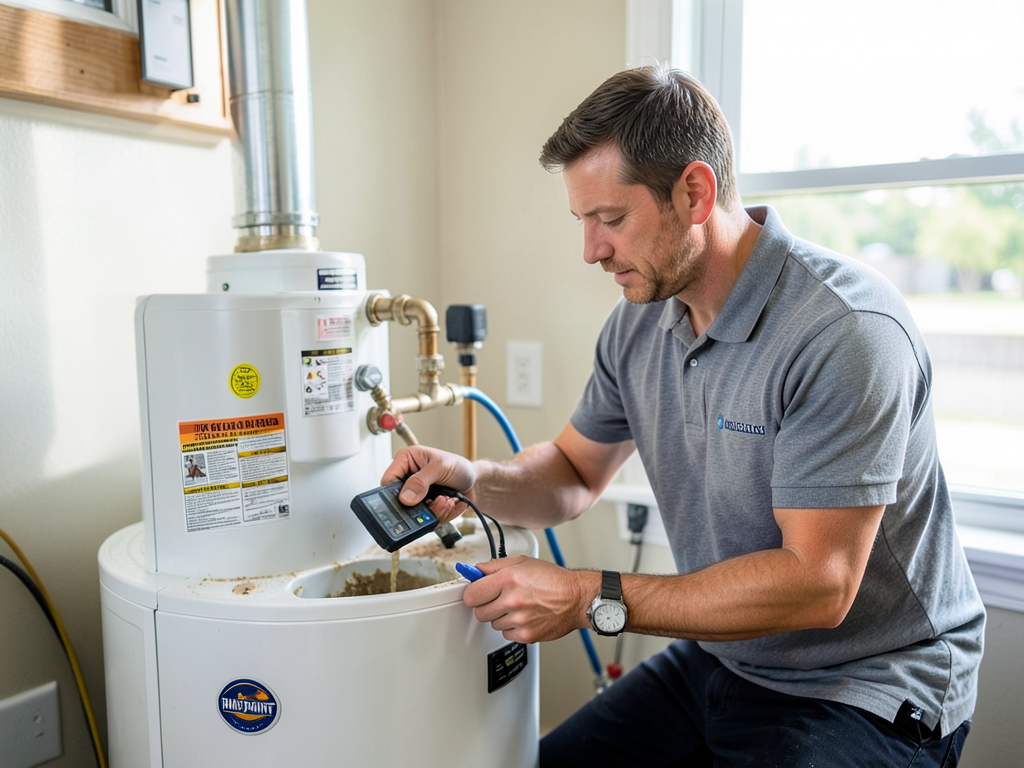
Water heater sediment forms when minerals in your water settle at the bottom of the tank over time. As the burner heats this layer of debris, steam bubbles get trapped and create that distinctive whining, popping, or rumbling noise you hear. The sound itself warns that your water heater needs attention before bigger problems develop.. Read more about Commercial Water Pressure Solutions for Hotels and Motels near SeaTac.
High Point residents often notice this issue during seasonal changes when water heaters work harder. The problem tends to worsen in winter months when demand increases and sediment has more time to accumulate. Regular maintenance prevents most sediment-related problems and extends your water heater’s life significantly.
Many homeowners wonder if they can fix the whining themselves or if they need professional help. The answer depends on your comfort level with basic plumbing tasks and the severity of the buildup. Some cases require immediate professional attention to prevent system failure or potential safety hazards. Plumbing Bothell.
High Point’s specific water conditions and housing stock create unique challenges for water heater maintenance. Understanding these local factors helps you make informed decisions about when to tackle problems yourself and when to call in experts who know the area’s specific needs.
What Causes That High-Pitched Whining Sound
The whining noise comes from sediment buildup at the bottom of your water heater tank. When minerals like calcium and magnesium settle and harden, they create an insulating layer between the burner and the water. This forces your system to work harder and creates steam bubbles that burst through the sediment layer.
Several factors contribute to sediment formation in High Point homes. The age of your water heater plays a major role, with older units accumulating more buildup over time. Water quality also matters significantly, as mineral content varies throughout the Seattle area and affects how quickly sediment forms.
Temperature settings can accelerate sediment problems. Higher thermostat settings cause more rapid mineral precipitation, while lower settings might not provide adequate hot water for your household needs. Finding the right balance helps minimize buildup while meeting your daily requirements.
The type of water heater you own influences sediment issues. Traditional tank-style heaters are most susceptible, while tankless models avoid sediment buildup entirely but face different maintenance challenges. Understanding your specific system helps you address problems more effectively.. Read more about How to Properly Maintain Your Tankless Water Heater in the Pacific Northwest.
High Point’s housing stock includes many homes built between the 1960s and 1990s, when water heater technology and installation practices were different from today’s standards. These older systems often have more sediment issues due to decades of mineral accumulation and less efficient designs.
Local water sources affect sediment formation rates. Seattle’s water comes primarily from the Cedar and Tolt River watersheds, which have relatively low mineral content compared to many other regions. However, High Point’s specific water chemistry can still contribute to sediment problems over time.
Common Signs Your Water Heater Needs Attention
Beyond the whining sound, several other symptoms indicate sediment problems in your water heater. Recognizing these signs early helps you address issues before they cause major damage or system failure.
Rumbling or popping noises are the most obvious signs of sediment buildup. These sounds occur when steam bubbles force their way through the hardened mineral layer at the tank bottom. The noise often gets louder as sediment thickness increases and more steam gets trapped.
Reduced hot water volume suggests sediment is taking up space in your tank. As minerals accumulate, they displace the water your tank can hold, meaning you get less hot water per heating cycle. This forces your system to work longer and use more energy to meet your household’s needs.
Fluctuating water temperatures indicate sediment is interfering with your heater’s ability to maintain consistent heat. You might notice water that’s too hot one minute and lukewarm the next, or temperature changes when you adjust the faucet that don’t match your settings.
Cloudy or rusty-looking water coming from your hot water taps often signals sediment problems. While some discoloration can come from corroding pipes, sediment buildup in your water heater is a common cause that requires professional inspection to diagnose correctly.
Longer heating times mean your system is working harder to heat water through the sediment layer. You might notice your water takes longer to get hot or that your energy bills increase without explanation, both signs that sediment is reducing your heater’s efficiency.
Visible leaks around your water heater base could indicate sediment-related damage. As sediment builds up, it can cause overheating that damages the tank’s interior lining or creates pressure points that lead to cracks and leaks over time.
The Impact of Seattle’s Water Quality on Your Tank
Seattle Public Utilities provides water from the Cedar and Tolt River watersheds to High Point homes. This water is considered soft to moderately soft, with low mineral content compared to many other regions. However, even soft water can cause sediment problems over time, especially in older homes.
The relatively low mineral content in Seattle’s water means sediment buildup typically occurs more slowly than in areas with hard water. This gives High Point homeowners an advantage, as their water heaters may last longer before needing major maintenance or replacement due to sediment issues.
Seasonal water quality changes can affect sediment formation rates. During heavy rainfall periods, water from the Cedar River watershed may carry slightly more sediment than usual. This seasonal variation means your water heater might accumulate minerals faster during certain times of the year.
High Point’s elevation and location within Seattle affect water pressure and flow rates to individual homes. These factors influence how quickly sediment settles in your tank and whether certain areas of your water heater are more prone to buildup than others.
Older plumbing infrastructure in some High Point neighborhoods can contribute to sediment problems. Galvanized pipes that are common in homes built before 1980 can corrode internally, adding rust and scale to the water that eventually settles in your water heater tank. Plumbing Burien.
The age of your home’s plumbing system affects overall water quality. Homes with recent pipe replacements typically have cleaner water reaching the water heater, while those with original plumbing might experience faster sediment accumulation due to decades of mineral and rust buildup in the pipes.
5 Warning Signs of Water Heater Sediment Buildup
Recognizing sediment problems early helps you avoid costly repairs and extend your water heater’s life. Here are five key warning signs that indicate sediment buildup in your High Point home’s water heater.
The first sign is unusual noises coming from your water heater. That high-pitched whining, popping, or rumbling sound indicates steam bubbles trying to escape through sediment layers. The noise often starts softly and gradually increases in volume as buildup worsens.
Second, watch for changes in water temperature consistency. If your hot water fluctuates between scalding and lukewarm without adjusting the faucet, sediment might be interfering with your heater’s temperature control mechanisms or creating hot spots in the tank.
Third, notice if your hot water runs out faster than usual. Sediment takes up space in your tank, reducing the volume of water available for heating. You might find yourself running out of hot water during showers or having to wait longer between hot water uses.
Fourth, check for cloudy or discolored hot water. While some discoloration can come from pipes, sediment in your water heater often causes hot water to appear cloudy, rusty, or have visible particles when first turned on.
Fifth, monitor your energy bills for unexplained increases. As sediment buildup forces your water heater to work harder, it uses more energy to heat the same amount of water, leading to higher utility costs without any change in your household’s hot water usage.
Additional warning signs include longer heating times, visible leaks around the tank base, and the water heater feeling excessively hot to the touch. Any of these symptoms warrant professional inspection to determine if sediment removal or other maintenance is needed.
The Dangers of Ignoring Sediment: Beyond Just No Hot Water
Ignoring that whining sound from your water heater can lead to serious problems beyond just losing hot water. Sediment buildup creates multiple safety and efficiency hazards that many homeowners don’t realize until it’s too late.
Energy efficiency loss is one of the most immediate dangers. Sediment acts as an insulator between the burner and water, forcing your system to use significantly more energy to heat water. This increased energy consumption can raise your utility bills by 25% or more, according to Department of Energy studies.
Overheating represents a serious safety concern. As sediment builds up, it can cause hot spots in your tank that exceed normal operating temperatures. This overheating can damage the tank’s interior lining, weaken structural components, and in extreme cases, create pressure buildup that risks tank failure.
Reduced water heater lifespan is another major consequence. Sediment accelerates wear on heating elements, burners, and other components. A water heater that might last 12-15 years with proper maintenance could fail in 6-8 years if sediment problems go unaddressed, costing you thousands in premature replacement.
Water quality issues affect your household’s health and comfort. Sediment can harbor bacteria and affect water taste and odor. In severe cases, it might release particles into your hot water supply that could irritate skin or cause other health concerns, especially for people with sensitive skin or respiratory issues.
Property damage risks increase with sediment problems. Leaks from sediment-damaged tanks can cause water damage to floors, walls, and nearby belongings. The cost of repairing water damage often far exceeds the price of addressing sediment buildup early through professional maintenance.
Emergency replacement situations become more likely when sediment problems are ignored. Water heaters tend to fail at the worst possible times, like during cold snaps or when you have houseguests. Having your system fail unexpectedly means emergency service calls and rushed decisions about replacement options. How to Get an Emergency Plumber in West Seattle After Hours.
Step-by-Step Guide: How to Flush Your Water Heater Safely
Flushing your water heater removes sediment and can restore efficiency, but it requires careful attention to safety procedures. Here’s how to flush your water heater safely, following guidelines from the International Association of Plumbing and Mechanical Officials (IAPMO). International Association of Plumbing and Mechanical Officials.
Before starting, gather necessary supplies: a garden hose, bucket, adjustable wrench, and safety gear including gloves and eye protection. Turn off the power to electric heaters at the circuit breaker or set gas heaters to “pilot” mode. Allow the tank to cool for several hours to prevent scalding.
Connect a garden hose to the drain valve at the bottom of your water heater. Route the other end to a floor drain, outside area, or large bucket that can handle hot water. Open a hot water faucet somewhere in your house to prevent vacuum formation during draining.
Open the drain valve slowly and let the tank empty completely. You’ll likely see discolored water with sediment particles coming out initially. For severe buildup, you might need to drain, refill partially, and drain again several times until the water runs clear.
After draining, close the drain valve and remove the hose. Turn the cold water supply back on to refill the tank, keeping the hot water faucet open until water flows steadily without air bubbles. This indicates the tank is full and air has been purged from the system.
Once the tank is full, restore power to electric heaters or turn gas heaters back to their normal setting. Check for leaks around the drain valve and other connections. Monitor the system for the next few hours to ensure everything is functioning properly.
Professional plumbers recommend flushing your water heater annually, though High Point’s water quality might allow for slightly longer intervals between flushes. If you’re uncomfortable performing this maintenance yourself or if your water heater has complex issues, professional service ensures the job is done safely and correctly.
Never attempt to flush a water heater that’s actively leaking or shows signs of severe damage. These situations require immediate professional attention to prevent injury or further property damage. Always follow manufacturer guidelines specific to your water heater model.
Professional Maintenance vs. DIY Flushing
Deciding between professional maintenance and DIY flushing depends on several factors including your comfort level, the age of your water heater, and the severity of sediment buildup. Understanding the differences helps you make the right choice for your High Point home.
Professional maintenance offers several advantages over DIY approaches. Licensed plumbers have specialized tools to thoroughly remove stubborn sediment, can inspect components for wear or damage, and understand local building codes that affect water heater operation in Seattle homes. They also carry insurance that protects you if problems arise during service. Clearing Stubborn Main Line Clogs with Hydro Jetting in Queen Anne.
DIY flushing saves money upfront but carries risks. Without proper training, you might damage drain valves, fail to remove all sediment, or create water damage situations. You also miss the opportunity for professional inspection that could identify developing problems before they become emergencies.
Cost considerations matter when choosing between options. Professional flushing typically costs $150-300 in the Seattle area, while DIY requires only your time and basic supplies. However, the potential cost of DIY mistakes or missed problems often exceeds the price difference over time.
Time investment varies significantly between approaches. Professional service takes 1-2 hours including inspection and cleanup. DIY flushing might take 3-4 hours for someone unfamiliar with the process, plus additional time if problems arise that require professional intervention anyway.
Warranty considerations affect your decision. Some water heater warranties require professional maintenance to remain valid. DIY service might void warranties or make it difficult to file claims if problems develop later, especially with newer units still under manufacturer coverage.
Safety concerns are paramount when working with water heaters. Professional plumbers understand proper shut-off procedures, pressure relief valve testing, and gas line safety. DIY attempts that ignore these safety aspects risk injury, property damage, or even dangerous gas leaks in homes with gas water heaters.
For High Point residents, local building codes and permit requirements might affect maintenance choices. Some municipalities require permits for certain water heater work, and professional plumbers ensure all work complies with current Seattle and King County regulations.
When to Replace Your Water Heater
Sometimes sediment problems indicate it’s time to replace rather than repair your water heater. Understanding when replacement makes more sense than continued maintenance helps you avoid wasting money on a failing system.
Age is the primary factor in replacement decisions. Most water heaters last 8-12 years in the Pacific Northwest’s climate. If your unit is approaching or exceeding this age range, replacement often makes more financial sense than investing in major repairs or repeated maintenance on an aging system.
Severe sediment buildup that resists flushing indicates replacement might be necessary. When sediment has hardened into a solid layer or caused internal damage to heating elements or tank lining, the cost of repair often approaches replacement cost while offering no guarantee of long-term reliability.
Frequent repairs signal it’s time for replacement. If you’re calling for service multiple times per year or dealing with recurring problems despite maintenance, the cumulative cost of repairs plus the inconvenience often justifies investing in a new, more efficient unit.
Energy efficiency losses that significantly impact utility bills might warrant replacement. Modern water heaters offer substantial efficiency improvements over units from even 10 years ago. If your current heater is driving up energy costs due to age or damage, a new high-efficiency model could pay for itself through utility savings.
Water quality issues that persist despite maintenance suggest replacement. If your hot water continues to have unusual taste, odor, or appearance even after professional cleaning, the tank itself might be compromised and unable to provide clean, safe hot water.
Physical damage to the tank, such as cracks, severe corrosion, or a failing pressure relief valve, requires replacement. These issues pose safety risks and typically cannot be repaired effectively, making replacement the only responsible option.
Changing household needs might justify replacement even if your current unit functions adequately. Growing families, home additions, or changes in hot water usage patterns might require a larger or more efficient water heater than your current system can provide.
Preventing Future Sediment Problems
Prevention is always better than cure when it comes to water heater maintenance. Several strategies can help High Point homeowners minimize sediment buildup and extend their water heater’s life significantly.
Annual professional inspections catch sediment problems early when they’re easier and less expensive to address. During these inspections, plumbers can assess sediment levels, check anode rod condition, test pressure relief valves, and recommend maintenance timing based on your specific unit’s condition and your household’s usage patterns.
Installing a water softener can dramatically reduce sediment formation, though Seattle’s naturally soft water means this step isn’t necessary for most High Point homes. However, if you have specific water quality issues or very old plumbing that contributes to sediment, a softener might be worth considering.
Maintaining proper temperature settings helps prevent excessive mineral precipitation. Setting your water heater to 120-140 degrees Fahrenheit provides adequate hot water while minimizing the rate at which minerals settle out of solution and form sediment layers.
Using water filters on your main supply line can reduce sediment entering your water heater, though this approach works best for homes with specific water quality issues rather than as a general prevention strategy for most High Point residences.
Flushing your water heater regularly, even when no problems are apparent, prevents sediment from accumulating to problematic levels. Setting calendar reminders for annual or semi-annual flushing helps ensure this important maintenance task doesn’t get overlooked during busy periods.
Monitoring your water heater’s performance helps you catch developing problems early. Pay attention to changes in heating time, water temperature consistency, and energy usage patterns. Early detection of performance changes often means simpler, less expensive solutions than waiting until major problems develop.
Understanding your specific water heater model’s maintenance requirements helps you provide appropriate care. Different brands and models have varying recommendations for flushing frequency, anode rod replacement timing, and other maintenance tasks that affect sediment prevention effectiveness.
Considering replacement timing proactively rather than reactively helps you avoid emergency situations. Planning for water heater replacement before complete failure gives you time to research options, compare prices, and schedule installation at your convenience rather than during a crisis.
Local Resources for High Point Homeowners
High Point residents have access to several local resources for water heater maintenance and repair. Understanding these options helps you make informed decisions about who to call when problems arise.
Seattle Public Utilities provides water quality information specific to High Point and surrounding neighborhoods. Their water quality reports detail mineral content, pH levels, and other factors that affect sediment formation in your water heater. You can access these reports online or request printed copies for your specific area.
King County maintains building codes and permit requirements that affect water heater installation and maintenance in High Point. Understanding these regulations helps ensure any work on your water heater complies with local requirements and passes inspection if needed for home sales or insurance purposes.
Local plumbing associations in Seattle offer referral services to help you find licensed, insured plumbers with experience in High Point homes. These associations often maintain directories of members who specialize in water heater maintenance and can provide references from satisfied customers in your neighborhood.
Community resources like neighborhood associations sometimes organize group discount programs for home maintenance services including water heater inspections and maintenance. These programs can provide cost savings while ensuring you work with reputable local contractors.
Local hardware stores in the High Point area often provide basic water heater maintenance advice and can recommend appropriate tools and supplies for DIY maintenance tasks. Many also offer classes or workshops on basic home maintenance skills that include water heater care.
Energy efficiency programs through Seattle City Light and Puget Sound Energy sometimes offer rebates or incentives for water heater upgrades or maintenance that improves efficiency. These programs can help offset the cost of professional maintenance or new water heater installation.
Online neighborhood forums and community groups provide peer recommendations for local plumbers and maintenance services. While these recommendations should be verified through additional research, they often provide valuable insights into which local contractors have good reputations in High Point specifically.
Local building supply companies that serve High Point contractors often have staff with deep knowledge of water heater brands and models that perform well in Seattle’s specific conditions. They can provide guidance on replacement options if your current unit needs upgrading.
Frequently Asked Questions
How often should I flush my water heater in High Point?
Most High Point homeowners should flush their water heaters annually, though Seattle’s relatively soft water means some homes might extend this to every 18-24 months. Homes with older plumbing or specific water quality issues might need more frequent flushing. Watch for warning signs like unusual noises or reduced hot water volume to determine if more frequent maintenance is needed.
Can sediment buildup cause my water heater to explode?
While extremely rare, severe sediment buildup combined with a failed pressure relief valve could theoretically lead to dangerous pressure buildup. The more common risk is tank failure from overheating or corrosion caused by sediment. Modern water heaters have multiple safety features that prevent explosions, but ignoring sediment problems still poses serious risks including leaks, property damage, and complete system failure.
Is that whining sound always caused by sediment?
Not always. While sediment is the most common cause of whining or popping sounds, other issues like failing heating elements, gas valve problems, or loose components can also create unusual noises. A professional inspection can determine the exact cause of your water heater’s noise and recommend the appropriate solution.
How much does professional water heater maintenance cost in Seattle?
Professional water heater maintenance in the Seattle area typically costs between $150-300, depending on the specific services included, your water heater’s location, and the severity of any existing problems. Some companies offer annual maintenance plans that provide cost savings for regular customers. The cost of preventive maintenance is usually far less than emergency repairs or premature replacement.
Should I repair or replace my 10-year-old water heater with sediment problems?
For a 10-year-old water heater, replacement often makes more sense than repair, especially if sediment problems are severe. The average water heater lifespan is 8-12 years, so your unit is nearing the end of its expected life. A new, more efficient model could save you money on energy costs while providing more reliable hot water service. Reliable Commercial Plumbers for South Lake Union Businesses and Restaurants.
Conclusion
That high-pitched whining sound from your water heater isn’t just annoying—it’s your system crying for help. Sediment buildup affects efficiency, safety, and reliability, potentially costing you hundreds in energy bills and risking expensive emergency repairs. High Point homeowners face unique challenges due to local water conditions and housing stock, but understanding these factors helps you make informed maintenance decisions.
Whether you choose DIY flushing or professional maintenance, addressing sediment problems early prevents the cascade of issues that come from neglect. Annual inspections, proper temperature settings, and timely maintenance can extend your water heater’s life by years while keeping energy costs under control.
Don’t wait for that whining sound to become a complete system failure. If you’re hearing unusual noises from your water heater or noticing any of the warning signs we’ve discussed, professional help can diagnose the problem and recommend the right solution for your specific situation.
Call (564) 220-5552 today to schedule your water heater inspection. Our experienced technicians understand High Point’s unique needs and can help you maintain reliable hot water service while preventing costly sediment-related problems. Pick up the phone and call (564) 220-5552 before that whining sound turns into a complete system failure.
{
“@context”: “https://schema.org”,
“@type”: “BlogPosting”,
“headline”: “Why Water Heaters Make That High-Pitched Whining Sound in High Point Homes”,
“description”: “Learn why water heaters in High Point homes make high-pitched whining sounds and how sediment buildup affects your system. Get expert repair tips.”,
“wordCount”: 4026,
“datePublished”: “2026-04-10T07:48:00.000Z”,
“dateModified”: “2026-04-10T07:48:00.000Z”,
“inLanguage”: “en-US”,
“mainEntityOfPage”: {
“@type”: “WebPage”,
“@id”: “https://horizonplumbingseattle.com”
},
“publisher”: {
“@type”: “LocalBusiness”,
“name”: “Horizon Plumbing Seattle”,
“url”: “https://horizonplumbingseattle.com”
},
“author”: {
“@type”: “Organization”,
“name”: “Horizon Plumbing Seattle”,
“url”: “https://horizonplumbingseattle.com”
},
“image”: {
“@type”: “ImageObject”,
“url”: “https://horizonplumbingseattle.com/wp-content/uploads/2026/03/why-water-heaters-make-that-high-pitched-whining-s-1.png”
}
}
{
“@context”: “https://schema.org”,
“@type”: “Plumber”,
“name”: “Horizon Plumbing Seattle”,
“url”: “https://horizonplumbingseattle.com”,
“address”: {
“@type”: “PostalAddress”,
“addressLocality”: “Seattle”
},
“areaServed”: {
“@type”: “City”,
“name”: “Seattle”
}
}
{
“@context”: “https://schema.org”,
“@type”: “FAQPage”,
“mainEntity”: [
{
“@type”: “Question”,
“name”: “How often should I flush my water heater in High Point?”,
“acceptedAnswer”: {
“@type”: “Answer”,
“text”: “Most High Point homeowners should flush their water heaters annually, though Seattle’s relatively soft water means some homes might extend this to every 18-24 months. Homes with older plumbing or specific water quality issues might need more frequent flushing. Watch for warning signs like unusual noises or reduced hot water volume to determine if more frequent maintenance is needed.”
}
},
{
“@type”: “Question”,
“name”: “Can sediment buildup cause my water heater to explode?”,
“acceptedAnswer”: {
“@type”: “Answer”,
“text”: “While extremely rare, severe sediment buildup combined with a failed pressure relief valve could theoretically lead to dangerous pressure buildup. The more common risk is tank failure from overheating or corrosion caused by sediment. Modern water heaters have multiple safety features that prevent explosions, but ignoring sediment problems still poses serious risks including leaks, property damage, and complete system failure.”
}
},
{
“@type”: “Question”,
“name”: “Is that whining sound always caused by sediment?”,
“acceptedAnswer”: {
“@type”: “Answer”,
“text”: “Not always. While sediment is the most common cause of whining or popping sounds, other issues like failing heating elements, gas valve problems, or loose components can also create unusual noises. A professional inspection can determine the exact cause of your water heater’s noise and recommend the appropriate solution.”
}
},
{
“@type”: “Question”,
“name”: “How much does professional water heater maintenance cost in Seattle?”,
“acceptedAnswer”: {
“@type”: “Answer”,
“text”: “Professional water heater maintenance in the Seattle area typically costs between $150-300, depending on the specific services included, your water heater’s location, and the severity of any existing problems. Some companies offer annual maintenance plans that provide cost savings for regular customers. The cost of preventive maintenance is usually far less than emergency repairs or premature replacement.”
}
},
{
“@type”: “Question”,
“name”: “Should I repair or replace my 10-year-old water heater with sediment problems?”,
“acceptedAnswer”: {
“@type”: “Answer”,
“text”: “For a 10-year-old water heater, replacement often makes more sense than repair, especially if sediment problems are severe. The average water heater lifespan is 8-12 years, so your unit is nearing the end of its expected life. A new, more efficient model could save you money on energy costs while providing more reliable hot water service. Reliable Commercial Plumbers for South Lake Union Businesses and Restaurants.”
}
}
]
}
{
“@context”: “https://schema.org”,
“@type”: “BreadcrumbList”,
“itemListElement”: [
{
“@type”: “ListItem”,
“position”: 1,
“name”: “Home”,
“item”: “https://horizonplumbingseattle.com”
},
{
“@type”: “ListItem”,
“position”: 2,
“name”: “Blog”,
“item”: “https://horizonplumbingseattle.com/blog”
},
{
“@type”: “ListItem”,
“position”: 3,
“name”: “Why Water Heaters Make That High-Pitched Whining Sound in High Point Homes”
}
]
}
{
“@context”: “https://schema.org”,
“@type”: “Service”,
“serviceType”: “Plumbing”,
“provider”: {
“@type”: “LocalBusiness”,
“name”: “Horizon Plumbing Seattle”,
“url”: “https://horizonplumbingseattle.com”
},
“areaServed”: {
“@type”: “City”,
“name”: “Seattle”
},
“description”: “Learn why water heaters in High Point homes make high-pitched whining sounds and how sediment buildup affects your system. Get expert repair tips.”
}