





menu

Slab Leak Detection & Repair in Seattle – Fast Diagnosis Before Your Foundation Pays the Price

Advanced electronic leak detection and surgical concrete slab water leak repair that pinpoints the exact failure point under your foundation without guesswork, preventing costly structural damage throughout the Seattle metro.

Slider Image 1
Slider Image 2
Slider Image 3
Slider Image 4
Slider Image 5
Slider Image 7
Slider Image 8
Slider Image 9
Slider Image 10
Slider Image 11

How Seattle's High Water Table and Shifting Soil Create Hidden Slab Leaks

You notice warm spots on your floor. Your water bill doubled without explanation. The concrete feels damp near your hallway, and you cannot identify the source.

Seattle's elevated water table and seasonal soil saturation put constant pressure on foundation plumbing. When copper water lines were installed decades ago beneath concrete slabs, contractors did not anticipate how the Puget Sound region's wet winters and periodic ground movement would stress those rigid pipes. The result is pinhole leaks, joint failures, and corroded sections buried under several inches of concrete where you cannot see them.

Under slab plumbing repair becomes urgent the moment you suspect a problem. Water migrating through your foundation does not stop on its own. It wicks through concrete, destabilizes soil beneath the slab, and creates voids that lead to cracking and settlement. What starts as a small leak turns into a structural crisis if ignored.

Concrete slab water leak repair in this region requires more than breaking concrete at random. You need precise foundation leak detection and repair that identifies the failure point without demolishing your entire floor. Seattle homes built on fill soil or near waterways face accelerated corrosion and joint separation, making early detection the difference between a contained repair and a foundation rebuild.

Fixing leaks under foundation slabs is not a DIY project. You are dealing with pressurized water lines encased in concrete, often routed through multiple rooms. Horizon Plumbing Seattle uses electronic listening devices and thermal imaging to isolate the exact leak location, minimizing demolition and preserving your home's structural integrity.

Slab foundation leak services in the greater Seattle area must account for local building codes, soil conditions, and the prevalence of post-tension slabs in certain neighborhoods. A leak left unaddressed will compromise your foundation, create mold growth, and devalue your property.

How Seattle's High Water Table and Shifting Soil Create Hidden Slab Leaks
Surgical Leak Detection and Targeted Concrete Access

Surgical Leak Detection and Targeted Concrete Access

We do not guess where your slab leak originates. Guessing means unnecessary demolition, extended timelines, and inflated costs.

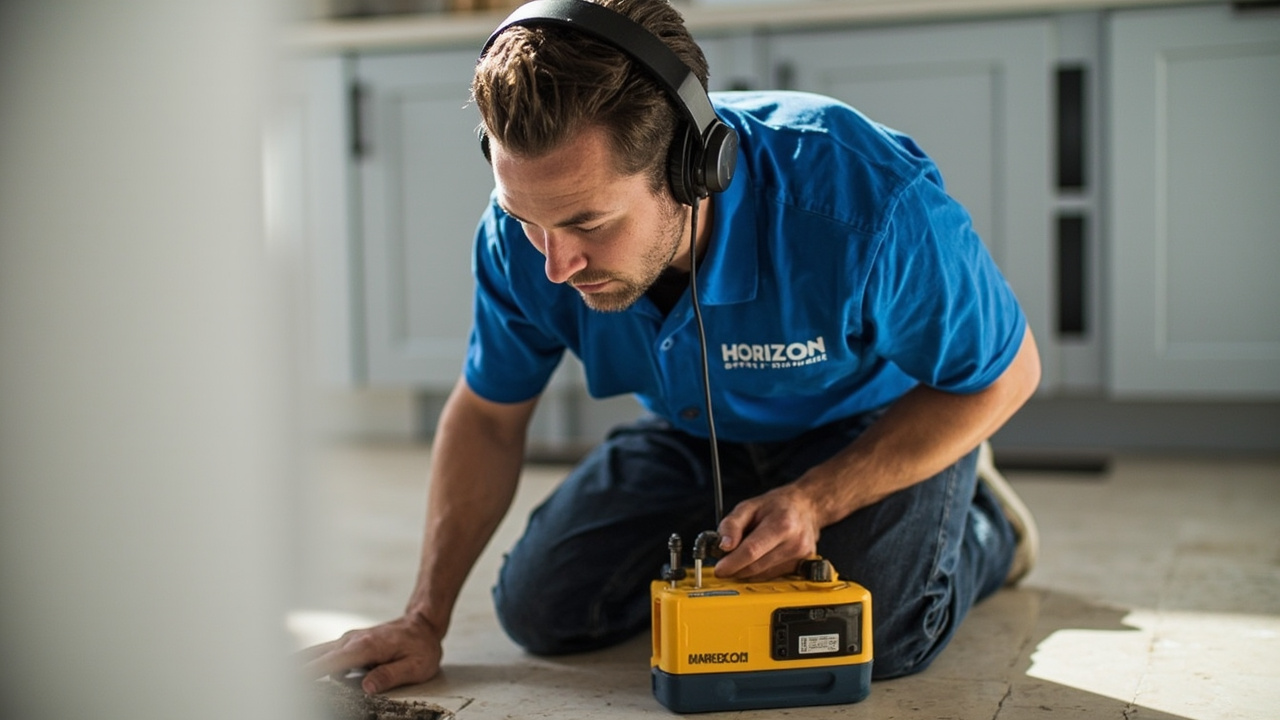
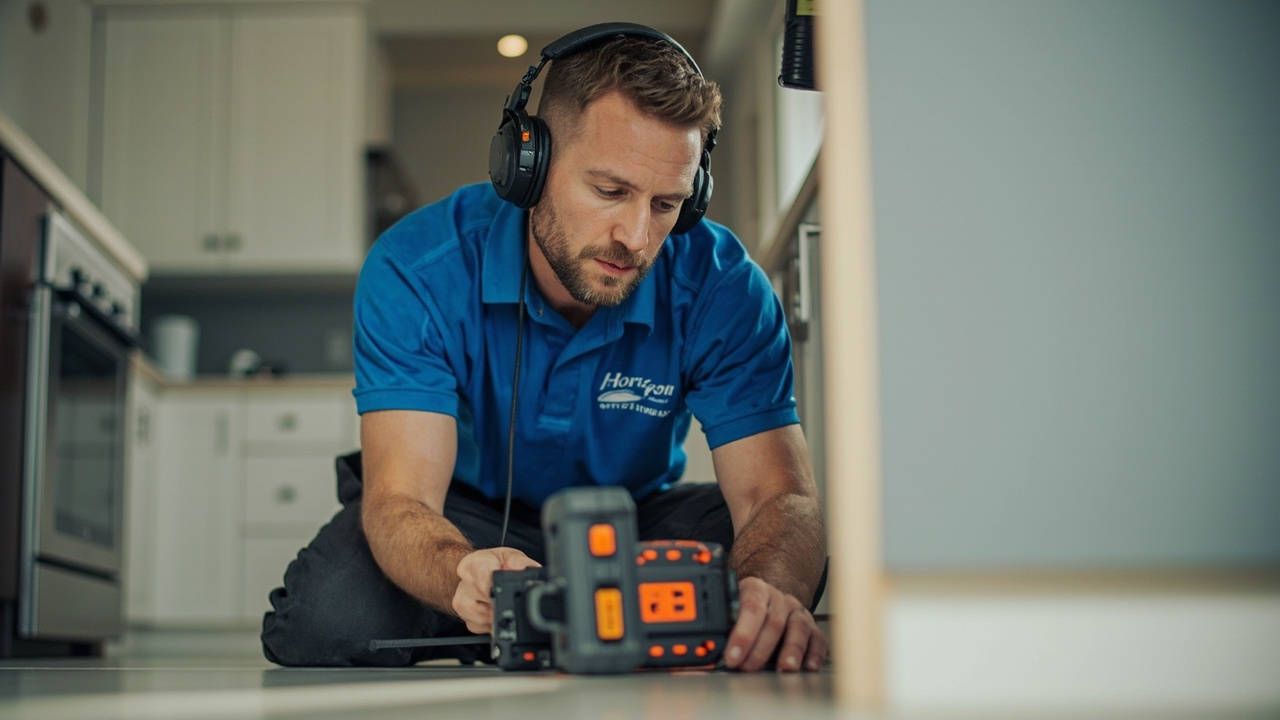
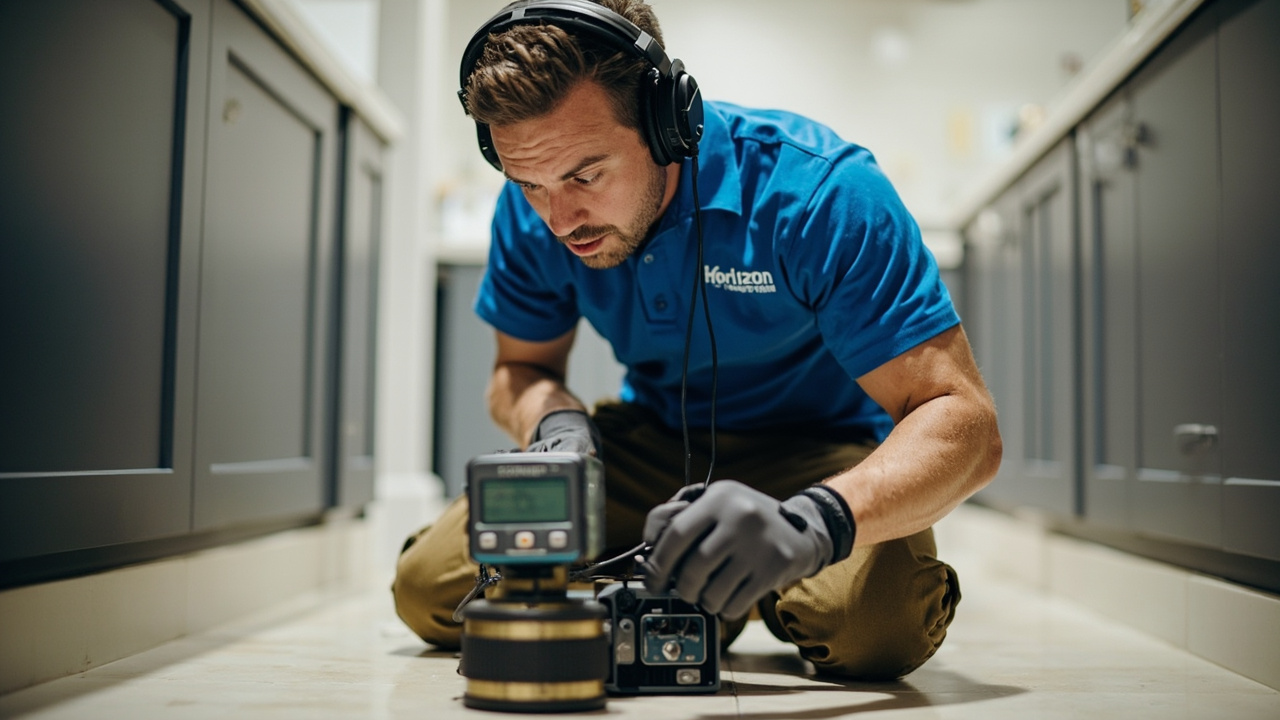
Our process begins with electronic amplification equipment that detects the acoustic signature of pressurized water escaping from copper or PEX lines beneath your slab. This technology isolates leaks within a two-foot radius, even when the water has migrated laterally through soil or concrete joints. We cross-reference acoustic data with thermal imaging to confirm temperature differentials caused by hot water leaks, eliminating false positives.

Once we pinpoint the failure, we map your home's under slab plumbing layout using municipal records and tracer wire systems. Many Seattle homes have complex manifold systems or outdated galvanized sections that were later replaced with copper. Knowing the full routing prevents accidental damage to adjacent lines during access.

We cut concrete with precision saws equipped with dust containment systems, exposing only the section needed for repair. For homes with radiant floor heating or post-tension cables, we use ground-penetrating radar to avoid cutting through embedded infrastructure. This level of care is non-negotiable in Seattle's older housing stock, where hidden utilities are common.

The repair itself depends on the pipe material and failure type. Pinhole leaks in copper are addressed with compression couplings or brazing, depending on accessibility. For corroded sections or joint failures, we remove the damaged segment and install a new section using either copper or PEX, depending on code requirements and soil conditions. PEX is increasingly preferred in Seattle due to its flexibility and resistance to corrosion from acidic groundwater.

After the repair, we pressure test the line at 150 PSI for 30 minutes to confirm integrity. Only then do we pour new concrete, matching the existing slab thickness and applying a curing compound to prevent surface cracking.

This is foundation leak detection and repair performed by technicians who understand Seattle's plumbing infrastructure and the consequences of cutting corners.

What Happens During Your Slab Leak Repair

Slab Leak Detection & Repair in Seattle – Fast Diagnosis Before Your Foundation Pays the Price
01

Electronic Leak Isolation

We start by mapping your water line layout and using electronic listening devices to detect the acoustic signature of escaping water beneath your slab. Thermal imaging confirms temperature anomalies for hot water lines. This combination pinpoints the leak location within a two-foot radius, eliminating guesswork and minimizing the area we need to access through your concrete floor.
02

Surgical Concrete Access

We use precision concrete saws with dust containment to expose only the damaged pipe section. Ground-penetrating radar ensures we avoid cutting through radiant heating lines or post-tension cables common in Seattle construction. The goal is targeted access, not wholesale demolition. Once exposed, we remove the failed pipe segment and install a new section using compression fittings or brazing, depending on material and accessibility.
03

Pressure Testing and Restoration

After completing the repair, we pressure test your water line at 150 PSI for 30 minutes to confirm there are no secondary leaks or weak joints. Only after passing this test do we pour new concrete to match your existing slab thickness, apply a curing compound, and restore the surface. You get documentation of the repair location for future reference.

Why Seattle Homeowners Trust Horizon Plumbing for Slab Foundation Leak Services

Most plumbers avoid slab leaks. The work requires specialized equipment, concrete cutting expertise, and an understanding of how Seattle's soil and water table interact with foundation plumbing. You cannot afford a plumber who treats this like a routine service call.

Horizon Plumbing Seattle has spent years diagnosing and repairing under slab leaks in homes from Queen Anne to West Seattle, Ballard to Beacon Hill. We know which neighborhoods were built on fill soil, which subdivisions used copper manifold systems in the 1980s, and where acidic groundwater accelerates pipe corrosion. This regional knowledge informs every diagnostic decision we make.

Our technicians carry electronic leak detection equipment calibrated for concrete slab environments. We do not rely on moisture meters alone. We use multi-point acoustic analysis and infrared thermography to confirm leak location before cutting a single inch of your floor. This precision saves you money and preserves your home's structural integrity.

We also understand Seattle's plumbing code requirements for under slab repairs. Depending on your home's age and location, certain pipe materials are restricted or require specific installation methods. We pull permits when required and coordinate inspections to ensure your repair meets municipal standards. Unpermitted slab work can create problems during home sales or insurance claims.

Many Seattle homes have post-tension slabs, especially in hillside construction or areas with expansive soil. Cutting through a post-tension cable without proper detection equipment can cause catastrophic slab failure. We use ground-penetrating radar on every job where post-tension is suspected, eliminating that risk entirely.

You also get documentation. We photograph the leak source, the repair process, and the finished restoration. We provide a detailed diagram showing the leak location relative to your home's layout. If you ever need future plumbing work or decide to sell, this documentation proves the issue was addressed correctly.

Slab leaks do not wait for convenient timing. We respond quickly, diagnose accurately, and repair permanently. That is the standard for concrete slab water leak repair in Seattle.

What to Expect During Slab Leak Detection and Repair

Response Time and Scheduling

We prioritize slab leak calls because water damage accelerates quickly. You will speak with a technician who understands the urgency, not a call center. We schedule diagnostic visits within 24 hours for most Seattle locations, often same-day for active leaks causing visible damage. Our trucks carry electronic detection equipment, so we can often isolate the leak during the first visit. If concrete cutting is required, we schedule that work immediately after confirming the location, minimizing the time your home is disrupted. For commercial properties, we coordinate after-hours access to avoid business interruption.

Diagnostic Process and Transparency

You will see how we locate your leak. We explain the acoustic signature, show you thermal imaging results, and walk you through the plumbing layout beneath your slab. You get a written diagnostic report before any concrete is cut, detailing the leak location, estimated repair scope, and material recommendations. We discuss whether a spot repair or partial re-route makes more sense based on your pipe's age and condition. If we find multiple weak points during the diagnostic phase, we tell you. No surprises after we open your floor. You approve the plan before we proceed.

Quality of Repair and Materials

Your repair uses materials rated for below-grade, continuous-duty service. For copper repairs, we use Type L copper and lead-free brazing alloys that resist Seattle's groundwater chemistry. For PEX installations, we use expansion fittings that eliminate potential leak points at connections. We pour concrete mixed to match your existing slab's PSI rating and apply a bonding agent to prevent delamination at the patch boundary. The finished surface is level, cured properly, and ready for flooring within 72 hours. We do not leave you with a rough patch or mismatched concrete that telegraphs through your flooring.

Documentation and Follow-Up

You receive a repair folder with photos documenting the leak source, the damaged pipe section, the new materials installed, and the finished concrete restoration. We include a scaled diagram showing the repair location relative to walls and fixtures, which helps future contractors avoid that area. We also provide a detailed invoice that breaks down labor, materials, and disposal fees for insurance claims or home sale disclosures. If you experience any issues after the repair, we return to inspect at no charge. We want confirmation that the repair solved the problem and that no secondary leaks developed from pressure changes in your system.

Frequently Asked Questions

You Have Questions,
We Have Answers

How much do slab leaks cost to repair? +

Slab leak repair costs vary based on accessibility, leak location, and repair method. Minor spot repairs range from a few hundred to over a thousand dollars. Extensive rerouting or epoxy pipe lining increases costs significantly. In Seattle, factors like older concrete foundations and soil settling from wet winters add complexity. Foundation access in crawl spaces common to Pacific Northwest homes can reduce labor time. The repair method matters: epoxy lining costs less than jackhammering through concrete and replacing pipe sections. Get a precise diagnosis first. Most reputable plumbers provide free estimates after electronic leak detection confirms the exact location.

Does homeowners insurance cover slab leak repair? +

Coverage depends on your policy terms and the cause of the leak. Most homeowners policies cover sudden, accidental water damage but exclude gradual wear or maintenance neglect. If a slab leak causes foundation damage or flooding, insurers typically cover the resulting damage but not the pipe repair itself. Seattle homeowners should review their policy for water damage exclusions, especially in older homes with original copper piping. Document everything: photos, repair estimates, and moisture readings. File claims promptly. Many policies cover tear-out and restoration costs even if they deny the plumbing repair. Read your policy or consult your agent before assuming coverage.

How much should a leak detection cost? +

Professional leak detection in Seattle typically costs between two hundred and six hundred dollars depending on home size and complexity. Electronic detection using acoustic sensors, thermal imaging, and pressure testing pinpoints leaks without destructive exploratory digging. Larger homes or properties with multiple plumbing zones require more time. Many plumbers waive detection fees if you proceed with the repair. For slab leaks hidden under concrete, accurate detection saves thousands in unnecessary demolition. Seattle's wet climate masks obvious signs like damp spots, making professional equipment necessary. Avoid plumbers who skip detection and guess locations. Accurate diagnostics prevent wasted labor and foundation damage from exploratory jackhammering.

How do plumbers find slab leaks? +

Plumbers use electronic leak detection equipment to locate slab leaks without demolition. Acoustic sensors amplify the sound of water escaping pressurized pipes under concrete. Thermal imaging cameras detect temperature variations where water saturates the ground. Tracer gas testing involves pressurizing lines with helium or nitrogen and using detectors to pinpoint escape points. Pressure testing isolates sections to narrow search areas. In Seattle, moisture meters help confirm saturated concrete in homes with post-tension slabs or radiant heating systems. Experienced plumbers correlate multiple data points: hot water heater activity, meter readings, and visible foundation cracks. Technology eliminates guesswork and reduces repair costs by targeting exact leak locations.

What is the cheapest way to fix a slab leak? +

Epoxy pipe lining or spot repair through minimal access points offer the most affordable solutions. Epoxy coating seals pinhole leaks from inside pipes without full replacement. Spot repairs involve cutting out the damaged section and installing a coupling. If the leak sits near a foundation edge, trenching from outside avoids interior demolition. Rerouting copper lines through attic spaces or crawl spaces common in Seattle homes skips expensive concrete cutting. The cheapest option depends on accessibility and remaining pipe condition. Temporary fixes fail quickly. Avoid patch kits marketed for homeowners. Cheap repairs on corroded pipes postpone the inevitable and cause secondary water damage. Consult a licensed plumber.

What is the lifespan of a slab leak repair? +

Repair longevity depends on the method and remaining pipe condition. Epoxy pipe lining lasts twenty to thirty years when applied correctly. Spot repairs using copper couplings match the original pipe's expected lifespan if corrosion is isolated. Full reroutes with PEX or copper piping last fifty years or more. In Seattle, electrolysis from soil acidity and stray electrical currents accelerates copper corrosion. If your home has multiple pinhole leaks, a single repair buys time but does not solve systemic pipe failure. Whole-house repiping eliminates recurring problems. Temporary patches fail within months. Quality repairs backed by skilled workmanship and proper materials provide decades of reliability. Maintenance matters less than initial repair quality.

What not to say to a homeowners insurance adjuster? +

Never admit fault, speculate about causes, or provide incomplete information to adjusters. Avoid saying you ignored warning signs, delayed repairs, or failed to maintain the plumbing system. Do not accept initial settlement offers without consulting a public adjuster or attorney. Never sign documents you have not read completely. Stick to facts: when you discovered the leak, what damage occurred, and what emergency steps you took. Seattle adjusters scrutinize claims in older homes for pre-existing conditions. Provide documentation only: photos, repair estimates, and water bills showing usage spikes. Let professionals interpret findings. Adjusters work for the insurer, not you. Their job is minimizing payouts.

What happens if you have a water leak under your slab? +

Undetected slab leaks cause foundation settling, mold growth, structural damage, and skyrocketing water bills. Constant moisture erodes soil beneath the foundation, creating voids that crack concrete. In Seattle, where homes sit on clay and silt soils, water infiltration accelerates settling. Hot water leaks waste energy and promote mold in wall cavities. Flooring buckles, baseboards warp, and carpets develop musty odors. Prolonged leaks compromise structural integrity and decrease property value. You may notice warm spots on floors, reduced water pressure, or the sound of running water when fixtures are off. Address slab leaks immediately. Delaying repairs multiplies damage and costs exponentially.

How long after water damage can you claim on insurance? +

File claims as soon as you discover damage. Most policies require prompt notification, typically within a few days to sixty days depending on your insurer. Delayed claims raise red flags. Adjusters question whether the damage is recent or pre-existing. In Seattle's wet climate, moisture damage progresses quickly, making timelines critical. Document discovery dates with photos and timestamps. Some policies have strict notification windows for water damage versus other perils. Waiting weeks weakens your claim and allows secondary damage like mold, which many policies exclude. Review your policy declarations page for exact deadlines. When in doubt, notify your insurer immediately even if you are still assessing the full extent of damage.

Do insurance companies cover leak detection? +

Coverage varies widely. Some insurers cover leak detection costs if they locate a covered peril, but many exclude diagnostic testing entirely. Policies may reimburse detection fees if the slab leak caused covered damage, but not for routine maintenance checks. Review your policy for specific language about testing and diagnostics. Seattle homeowners with older homes should verify coverage before scheduling detection services. Submit itemized invoices showing detection as part of the repair process rather than standalone diagnostic work. Bundling detection with emergency repairs strengthens claims. If your insurer denies detection costs, the few hundred dollars spent prevents thousands in misdirected repairs. Accurate detection protects your investment regardless of insurance reimbursement.

Why Seattle's Marine Climate and Fill Soil Accelerate Slab Leak Failures

Seattle's proximity to Puget Sound creates a consistently high water table and year-round soil moisture that most of the country does not experience. Homes built on filled lowland areas near Elliott Bay, Lake Washington, or the Duwamish River sit on compacted soil that shifts seasonally, stressing rigid copper water lines installed beneath concrete slabs. The region's naturally acidic groundwater, combined with dissolved oxygen from constant saturation, accelerates electrochemical corrosion on copper pipes. This is why slab leaks appear more frequently in Seattle neighborhoods like Georgetown, South Park, and Rainier Valley compared to homes built on native glacial till in areas like Magnolia or Queen Anne. Foundation leak detection and repair in this environment requires understanding how local hydrology interacts with your home's plumbing infrastructure.

Seattle's plumbing code has evolved significantly since the 1970s when most slab-on-grade homes were built. Modern under slab plumbing repair must comply with current standards for pipe materials, joint methods, and pressure testing, even when repairing decades-old systems. Horizon Plumbing Seattle stays current with Seattle Department of Construction and Inspections requirements, ensuring your slab foundation leak services meet municipal standards and pass inspection if required. We also maintain relationships with structural engineers who can assess whether soil settlement or foundation movement contributed to your leak, providing a comprehensive solution rather than a temporary patch. Local expertise matters when your home's foundation and plumbing are both at risk.

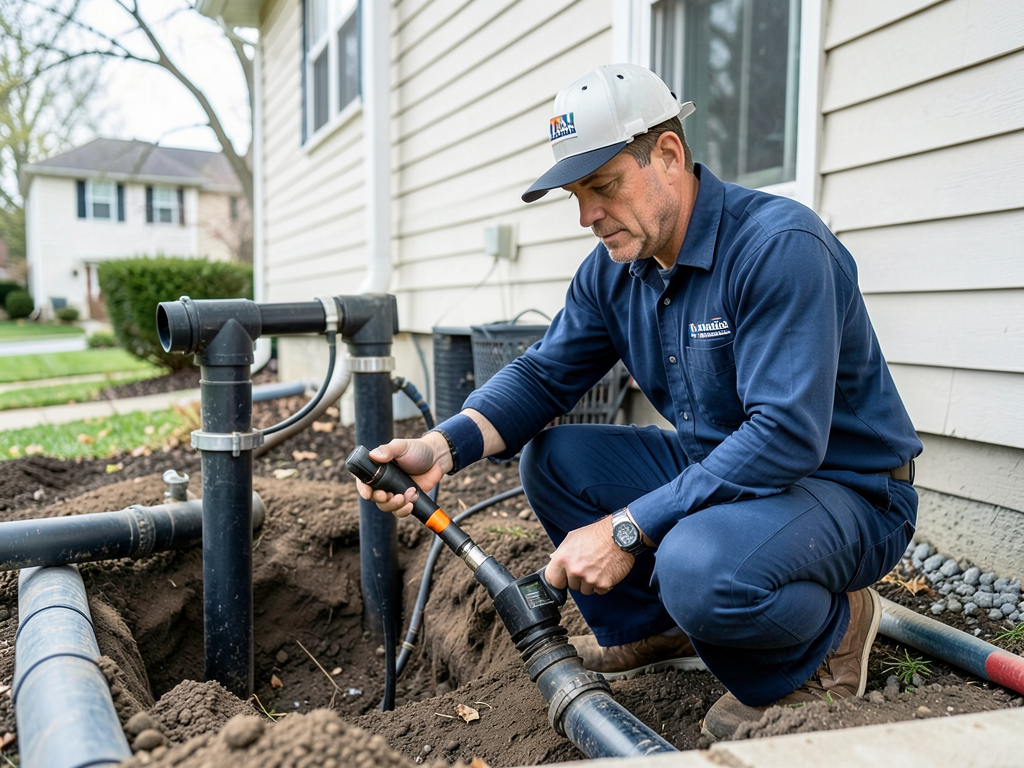
Plumbing Services in The Seattle Area

Horizon Plumbing Seattle proudly serves the entire Seattle metropolitan area and surrounding communities. We invite users to view our service area map to confirm that your home or business falls within our coverage zone, ensuring we can deliver fast, reliable service right to your doorstep. Our professional team is strategically located to offer prompt dispatch, whether you're in the heart of downtown or the outlying neighborhoods. Call us to confirm coverage and schedule your expert plumbing appointment today; we look forward to serving you with confidence and a warm welcome.

Address:
Horizon Plumbing Seattle, 1515 Dexter Ave N, Seattle, WA, 98109

Additional Services We Offer

Our news updates

Latest Articles & News from The Blogs

Is Your Garbage Disposal Safe for the Septic System at Your Rural King County Property? If you live in a…

Is Your Garbage Disposal Safe for the Septic System at Your Rural King County Property?

Is Your Garbage Disposal Safe for the Septic System at Your Rural King County Property? If you live in a…

Why You Should Consider a Pressure Reducing Valve for Your Phinney Ridge Home

Why You Should Consider a Pressure Reducing Valve for Your Phinney Ridge Home Living in Phinney Ridge means dealing with…

The Real Difference Between a Main Line Clog and a Simple Sink Drain Issue

The Real Difference Between a Main Line Clog and a Simple Sink Drain Issue \n\n Water backing up in your…

Contact Us

Water beneath your slab does not fix itself. Call Horizon Plumbing Seattle at (564) 220-5552 for same-day slab leak detection. We isolate the failure point, repair it surgically, and restore your concrete without guesswork or unnecessary demolition.