




menu

Gas Line Repair & Installation in Seattle – Certified Gas Piping Experts for Safe, Code-Compliant Service

When gas line integrity is on the line, Seattle homeowners and businesses trust Horizon Plumbing Seattle for precise gas pipe repair, compliant gas piping installation, and full-scope gas line replacement that meets Washington State fuel gas code requirements.

Slider Image 1
Slider Image 2
Slider Image 3
Slider Image 4
Slider Image 5
Slider Image 7
Slider Image 8
Slider Image 9
Slider Image 10
Slider Image 11

Why Gas Line Work in Seattle Demands Local Expertise

Seattle's seismic activity and expansive clay soil create unique challenges for underground gas piping systems. The Puget Sound region sits on active fault lines, and even minor ground shifts can stress rigid gas lines, leading to joint separation or pipe fatigue. When you combine this with the city's aggressive push toward natural gas appliance conversions in older neighborhoods like Queen Anne and Ballard, the demand for skilled gas line plumbers has never been higher.

Gas leak repair is not a DIY project. Natural gas is odorless in its pure form, and while mercaptan is added for detection, leaks can still migrate through soil or building cavities undetected until concentrations reach dangerous levels. Seattle's wet climate compounds this risk because saturated soil can channel gas horizontally, creating ignition hazards far from the actual breach point.

Whether you need gas line replacement for corroded black iron pipe in a 1920s Craftsman home or gas piping installation for a new tankless water heater in a Capitol Hill condo, the work must meet Washington State Fuel Gas Code Chapter 51-52 WAC and Seattle Mechanical Code amendments. Improperly sized gas pipe can starve appliances of BTUs, while incorrect pressure testing can leave dangerous leaks hidden behind walls. This is why gas pipe repair and installation require certified professionals who understand both the engineering and the local regulatory environment.

Why Gas Line Work in Seattle Demands Local Expertise
How We Approach Gas Line Repair and Installation

How We Approach Gas Line Repair and Installation

Every gas line project starts with a pressure test. We isolate the system, attach a calibrated manometer, and monitor for pressure drop over a minimum 15-minute period. Even a half-pound drop indicates a leak that must be located and repaired before we proceed with any new work. For gas leak repair, we use electronic gas detectors calibrated to detect concentrations as low as 10 parts per million, combined with soap bubble testing at every joint and fitting.

When installing new gas piping, we calculate appliance demand in BTUs, then size pipe diameter using the longest run method to ensure adequate pressure at the farthest fixture. Seattle's shift toward high-efficiency furnaces and on-demand water heaters means many homes need larger supply lines than their original quarter-inch copper or half-inch iron can deliver. We install CSST (corrugated stainless steel tubing) for flexible runs where seismic movement is a concern, or schedule 40 black iron for exposed commercial installations where physical protection matters.

For gas line replacement projects, we often discover knob-and-tube gas lines or un-bonded copper that predates modern code. We remove these entirely rather than splice into outdated systems. Every new installation gets bonded to the electrical ground per NEC 250.104(B), and we install sediment traps at every appliance drop to catch debris before it reaches gas valves. After installation, we perform a final pressure test at 15 psi for 30 minutes, document the results, and call for city inspection before energizing the system.

What Happens During Your Gas Line Service

Gas Line Repair & Installation in Seattle – Certified Gas Piping Experts for Safe, Code-Compliant Service
01

System Evaluation and Testing

We begin by shutting off the gas meter and performing a complete visual inspection of accessible piping, looking for corrosion, improper support spacing, or unauthorized modifications. Then we conduct a pressure decay test using a digital manometer to identify leaks. For existing systems showing pressure loss, we isolate sections methodically using ball valves or test caps until we pinpoint the compromised segment. This diagnostic phase prevents guesswork and ensures we address the actual problem, not just symptoms.
02

Repair or Installation Work

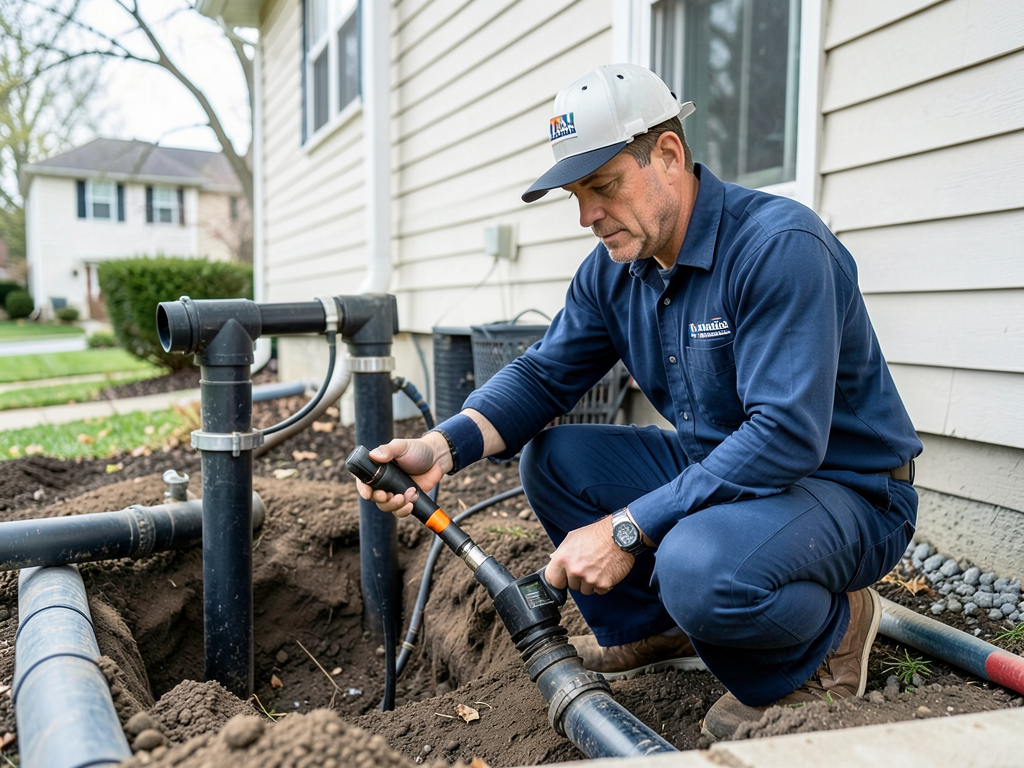
For gas pipe repair, we remove the defective section and install new pipe using approved joining methods—threaded connections for black iron, flared fittings for copper, or strike-free brass fittings for CSST. For new gas piping installation, we route lines to minimize runs, support pipe every four feet horizontally, and maintain proper clearance from electrical panels and water lines. We apply pipe dope or yellow Teflon tape rated for gas service, and we torque every fitting to manufacturer specifications to prevent future leaks.
03

Testing and Inspection Sign-Off

After completing gas line replacement or installation, we pressurize the system to 15 psi using an inert test medium—either compressed air or nitrogen—and monitor for 30 minutes minimum. Zero pressure drop confirms leak-free work. We then purge the lines, restore gas service, and verify proper operation at each appliance. Finally, we schedule and attend the Seattle Department of Construction and Inspections review to obtain permit closure, giving you documented proof that your system meets all safety and code requirements.

Why Seattle Property Owners Choose Horizon Plumbing Seattle for Gas Line Work

Gas line work is not interchangeable with standard plumbing. It requires separate certification, specialized tools, and intimate knowledge of Washington State fuel gas regulations that change frequently. Horizon Plumbing Seattle maintains certified gas piping technicians who complete continuing education on the latest code amendments and installation practices. We understand that Seattle's aging housing stock—especially in neighborhoods like Fremont, Wallingford, and Greenwood—often contains outdated gas systems installed before CSST was available or before bonding requirements existed.

We also understand the permitting process. Seattle requires permits for any gas piping installation beyond a simple appliance swap, and inspectors here enforce strict compliance with support spacing, appliance clearances, and combustion air requirements. We pull permits, coordinate inspections, and ensure your work passes the first time. This matters because unpermitted gas work discovered during a home sale can kill deals and expose you to liability.

Our truck stock includes high-pressure test equipment, electronic leak detectors, pipe threading machines, and a full range of black iron, CSST, and copper materials so we can complete most gas leak repair or gas line replacement projects in a single visit. We do not subcontract gas work. Every technician who touches your system works directly for us, which means accountability and quality control remain in-house. When seismic activity shifts your foundation or a tree root crushes your service line, you need someone who can diagnose the problem accurately and fix it permanently. That is what we do.

What You Can Expect From Our Gas Line Services

Response Time and Scheduling

For suspected gas leaks, we respond immediately. If you smell mercaptan or your gas detector alarms, evacuate, call 911, and then call us. We will coordinate with Puget Sound Energy to secure the meter and then perform emergency gas leak repair once the site is safe. For planned gas piping installation or gas line replacement projects, we schedule at your convenience and provide accurate arrival windows. Most residential gas line installations take four to eight hours depending on run length and the number of appliances being fed. Commercial projects require site surveys and may span multiple days, but we coordinate with your operations team to minimize business disruption.

Initial Assessment and Scope Definition

Before we start cutting pipe, we walk the job with you. We identify where your gas meter is, where the service line enters the structure, and where each appliance ties in. We measure runs, calculate load, and determine whether your existing system can handle additional demand or whether you need a meter upgrade through PSE. We explain what permits are required and provide a written scope that breaks down materials, labor, and inspection fees. For gas line replacement projects, we discuss routing options, whether to use CSST or black iron, and how we will protect finished surfaces during demolition and installation. No surprises.

Quality of Workmanship

Our gas pipe repair and installation work is built to last decades. We deburr every cut, apply thread sealant correctly, and hand-tighten fittings before final torque to prevent cross-threading. We install drip legs at every appliance connection and use dielectric unions where copper transitions to steel to prevent galvanic corrosion. For CSST installations, we bond the system to ground and route lines away from sharp edges that could abrade the jacket. After testing and inspection, we restore wall penetrations with fire-rated caulk and leave your home cleaner than we found it. You get a system that works safely and efficiently from day one.

Post-Installation Support

After your gas line installation or repair passes city inspection, we provide you with copies of the permit, test documentation, and a system diagram showing shut-off locations. We walk you through how to operate the manual shut-off valves and what to do if you ever suspect a leak. If you add appliances later or remodel, we can return to assess whether your gas piping can handle the new load or whether you need a supplemental line. We keep records of every installation we complete, so if you call us five years later with a question, we have the original specs and test results on file. Your system is documented, legal, and safe.

Frequently Asked Questions

You Have Questions,
We Have Answers

How much does it cost to have a gas line repaired? +

Gas line repair costs in Seattle vary based on leak location, accessibility, and pipe material. Simple accessible repairs range from a few hundred dollars, while hidden leaks behind walls or under concrete slabs cost more due to detection and excavation needs. Seattle's older neighborhoods like Capitol Hill or Queen Anne often have aging galvanized pipes requiring full section replacement. Factors include permit fees, pressure testing, and Seattle's strict fuel gas code compliance. Emergency repairs cost more than scheduled work. A licensed contractor will inspect, identify the issue, and provide a detailed estimate before starting work.

What is the cost of a gas line installation? +

Gas line installation costs depend on distance from the meter, appliance count, and complexity. Running a new line for a single appliance like a water heater costs less than whole-home piping for multiple fixtures. Seattle homes with basements or crawl spaces typically see lower installation costs than slab foundations requiring trenching. Materials matter: black steel pipe costs differ from flexible CSST systems. Seattle requires permits and inspections through the Seattle Department of Construction and Inspections, adding to total project expense. Get multiple quotes and verify contractor licensing through Washington State Department of Labor and Industries.

Do plumbers or HVAC run gas lines? +

Both plumbers and HVAC technicians can run gas lines, but qualifications matter. In Washington State, contractors need specific fuel gas piping endorsement on their license. Many plumbers hold this certification and handle gas line installations during kitchen or bathroom remodels. HVAC contractors often run gas lines when installing furnaces or boilers. The key is verifying the contractor holds proper Washington State endorsement for fuel gas work, not just a general plumbing or HVAC license. Always check credentials before hiring. Seattle requires permitted work for all gas line installations or modifications.

Who do you call to work on gas lines? +

Call a licensed plumber with fuel gas piping certification for gas line work in Seattle. Verify their Washington State contractor license includes the fuel gas endorsement through Labor and Industries. For emergencies like suspected leaks, call Puget Sound Energy first at their emergency line to shut off gas supply. Never attempt DIY repairs on active gas lines. Seattle requires permitted work and inspections for all gas line modifications. A qualified contractor will handle permits, pressure testing, and coordination with PSE for meter reconnection after repairs or new installations are complete.

Why is the gas line so expensive? +

Gas line work costs reflect serious safety stakes and regulatory requirements. Improper installation causes explosions, carbon monoxide poisoning, and property destruction. Washington State mandates licensed contractors with specific fuel gas endorsements, driving up labor costs through required training and insurance. Materials like earthquake-resistant flexible connectors and corrosion-resistant piping add expense. Seattle requires permits, inspections, and pressure testing for code compliance. Leak detection equipment and specialized tools increase overhead. Emergency repairs command premium pricing due to after-hours availability and urgent safety needs. You pay for expertise that prevents catastrophic failures and protects your family.

How long does it take to repair a gas line? +

Repair time depends on leak severity and location. Simple valve replacements or fitting repairs take two to four hours, including pressure testing. Hidden leaks requiring wall opening or concrete cutting extend timelines to a full day or more. Seattle requires permit inspections for most gas line work, adding scheduling delays. Emergency repairs proceed faster than scheduled work, but contractors prioritize safety over speed. Older Seattle neighborhoods with galvanized pipe may need full section replacement rather than patching. Your contractor will provide a timeline estimate after inspection, factoring in materials procurement and inspection scheduling.

Do plumbers hook up gas lines? +

Yes, plumbers hook up gas lines if they hold proper Washington State fuel gas piping endorsement. Many licensed plumbers handle gas connections for water heaters, ranges, dryers, and outdoor grills. The work includes installing shut-off valves, flexible connectors, and pressure testing for leaks. Seattle code requires specific connector types and earthquake-resistant fittings in seismic zones. Plumbers coordinate with PSE for final meter reconnection and verify appliance manufacturers' specifications for gas pressure and BTU requirements. Always verify your plumber's fuel gas certification before allowing gas line work. Generic plumbing licenses do not automatically authorize gas piping.

How much would a plumber charge to change a pipe? +

Plumbers charge based on pipe location, material, and labor complexity. Simple exposed pipe replacement runs a few hundred dollars, while hidden pipes behind finished walls or underground cost more due to access challenges. Seattle's older housing stock often requires matching obsolete pipe sizes or upgrading from galvanized to modern materials. Hourly rates vary among contractors, but expect higher pricing for licensed professionals with fuel gas endorsements. Emergency calls command premium rates. Factors include permit fees, disposal of old materials, and pressure testing. Request itemized estimates comparing scope, materials, and warranties before committing.

How much do gas lines cost? +

Gas line costs depend on linear footage, pipe material, and installation complexity. Basic black steel pipe costs less per foot than flexible CSST systems, but installation labor differs. Underground installations require trenching and backfill work, increasing expenses. Seattle requires earthquake-resistant connectors and specific materials for seismic compliance, affecting total cost. Permit fees, inspections, and pressure testing add to material and labor charges. Multi-appliance installations with manifold systems cost more than single runs. Get detailed written estimates breaking down materials, labor, permits, and testing fees. Verify all quotes include final inspection and PSE coordination for gas restoration.

Can you run a gas line yourself? +

No. Washington State law prohibits unlicensed individuals from installing or modifying gas lines. You must hold a contractor license with fuel gas piping endorsement. DIY gas work risks explosions, fires, carbon monoxide poisoning, and death. Seattle requires permits and inspections for all gas line work. Insurance companies deny claims for damage caused by unpermitted work. Improper installations violate building codes and create liability during home sales. PSE will not restore gas service without proper inspection approval. Hire a licensed professional. The cost of proper installation is minor compared to potential catastrophic consequences of amateur gas piping.

How Seattle's Seismic Risk Impacts Gas Line Integrity and Safety

Seattle sits in a high seismic hazard zone due to the Cascadia Subduction Zone and the Seattle Fault that runs directly beneath the city. Even moderate ground movement can damage rigid gas piping, particularly at connections and elbows where stress concentrates. After the 2001 Nisqually earthquake, numerous gas line failures occurred in older homes with galvanized or black iron pipe that lacked flexibility. Modern gas piping installation in Seattle increasingly relies on CSST, which can flex during ground movement without fracturing. If your home was built before 1990 and still has original gas piping, a gas line replacement project using seismic-rated materials significantly reduces rupture risk during the next major event.

Horizon Plumbing Seattle has worked in every Seattle neighborhood, from the steep hillsides of West Seattle to the low-lying industrial zones near SoDo where soil liquefaction is a documented risk. We understand how Seattle's building codes have evolved in response to seismic research, and we stay current on Washington State Fuel Gas Code amendments that now require automatic shut-off devices for certain commercial applications. When you hire gas line plumbers who know the local geology, local code, and local inspection standards, you get a system designed for this specific environment. Our gas pipe repair and gas piping installation work reflects that reality.

Plumbing Services in The Seattle Area

Horizon Plumbing Seattle proudly serves the entire Seattle metropolitan area and surrounding communities. We invite users to view our service area map to confirm that your home or business falls within our coverage zone, ensuring we can deliver fast, reliable service right to your doorstep. Our professional team is strategically located to offer prompt dispatch, whether you're in the heart of downtown or the outlying neighborhoods. Call us to confirm coverage and schedule your expert plumbing appointment today; we look forward to serving you with confidence and a warm welcome.

Address:
Horizon Plumbing Seattle, 1515 Dexter Ave N, Seattle, WA, 98109

Additional Services We Offer

Our news updates

Latest Articles & News from The Blogs

Is Your Garbage Disposal Safe for the Septic System at Your Rural King County Property? If you live in a…

Is Your Garbage Disposal Safe for the Septic System at Your Rural King County Property?

Is Your Garbage Disposal Safe for the Septic System at Your Rural King County Property? If you live in a…

Why You Should Consider a Pressure Reducing Valve for Your Phinney Ridge Home

Why You Should Consider a Pressure Reducing Valve for Your Phinney Ridge Home Living in Phinney Ridge means dealing with…

The Real Difference Between a Main Line Clog and a Simple Sink Drain Issue

The Real Difference Between a Main Line Clog and a Simple Sink Drain Issue \n\n Water backing up in your…

Contact Us

Do not wait for a leak. Call Horizon Plumbing Seattle at (564) 220-5552 to schedule a gas line inspection, repair, or installation. We respond fast, work clean, and deliver code-compliant systems you can trust.