



menu

Grease Trap Cleaning & Pumping in Seattle | Keep Your Business Compliant and Odor-Free

Horizon Plumbing Seattle delivers scheduled grease trap cleanout, interceptor pumping, and FOG waste removal that prevents violations, eliminates sewer backups, and keeps your commercial kitchen running without interruption.

Slider Image 1
Slider Image 2
Slider Image 3
Slider Image 4
Slider Image 5
Slider Image 7
Slider Image 8
Slider Image 9
Slider Image 10
Slider Image 11

Why Seattle's Food Service Industry Cannot Afford Grease Trap Failures

Seattle's food service sector operates under strict King County wastewater regulations. When your grease trap or interceptor reaches capacity, fats, oils, and grease overflow into the municipal sewer system. This triggers code violations, emergency inspections, and potential shutdowns from the health department.

Seattle's wet climate compounds the problem. Rainwater infiltration increases sewer flow rates, which means your grease trap processes higher volumes during fall and winter months. If your interceptor is not pumped on schedule, the hydraulic overload pushes FOG into drainage lines. The result is backups in prep sinks, floor drains, and dishwashing stations.

Commercial grease trap pumping is not optional maintenance. It is a regulatory requirement tied to your business license. King County mandates cleaning frequency based on interceptor size and daily grease load. Restaurants in Pike Place Market, Capitol Hill, and Belltown face higher scrutiny because of older sewer infrastructure. A single missed service window can result in fines starting at $500 per day.

Restaurant grease trap service also protects your reputation. When a grease interceptor fails during peak service hours, the odor reaches dining areas. Customers notice. Staff morale drops. Your kitchen shuts down until the problem is resolved. Grease trap cleanout prevents these emergencies by removing solidified fats before they obstruct drain lines or create biological growth inside the tank.

Why Seattle's Food Service Industry Cannot Afford Grease Trap Failures
How Professional Grease Interceptor Cleaning Protects Your Bottom Line

How Professional Grease Interceptor Cleaning Protects Your Bottom Line

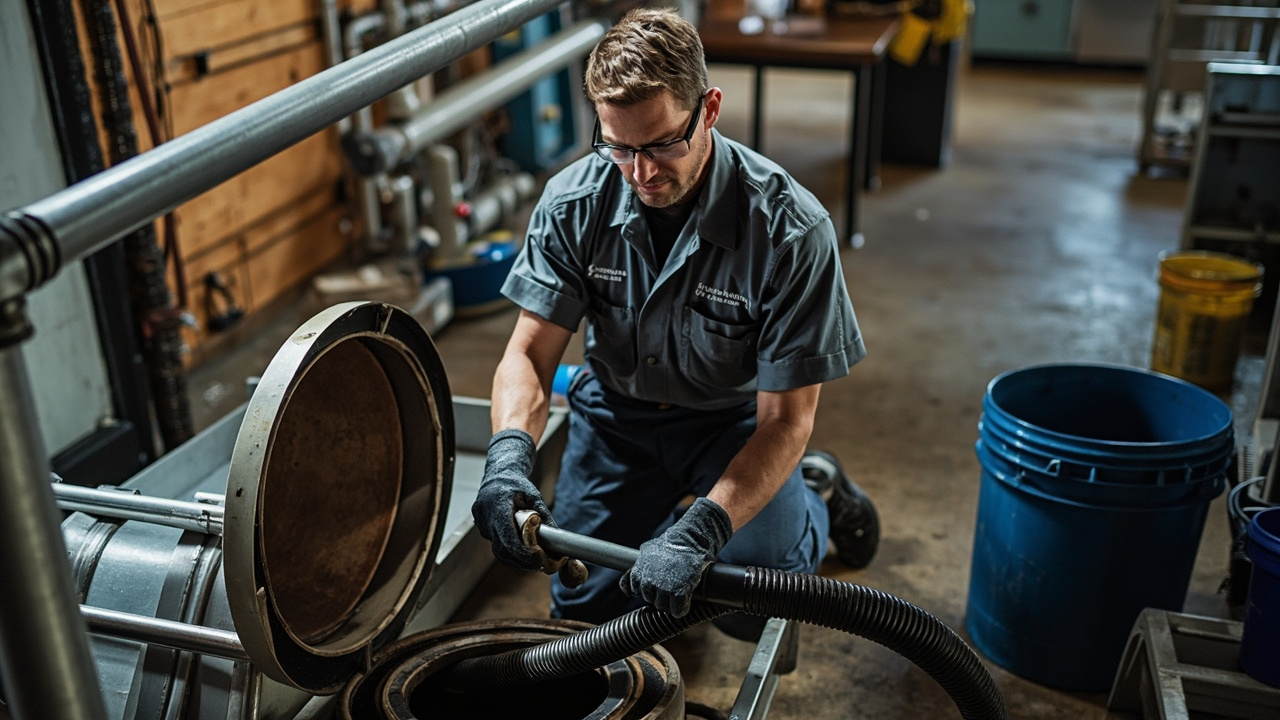
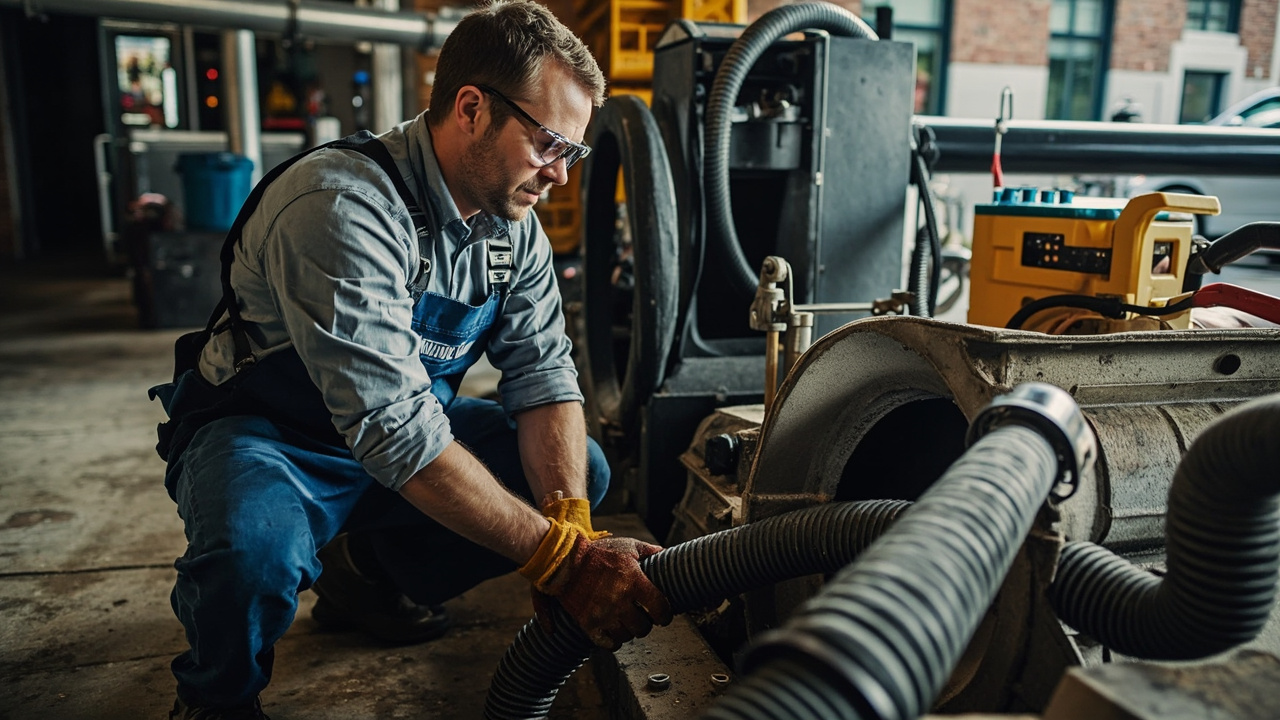
Horizon Plumbing Seattle uses vacuum truck systems designed for commercial grease trap waste removal. We do not rely on chemical additives or enzyme treatments. These products only liquefy FOG temporarily. The grease solidifies further downstream, creating blockages in your building's main drain line or the city sewer lateral.

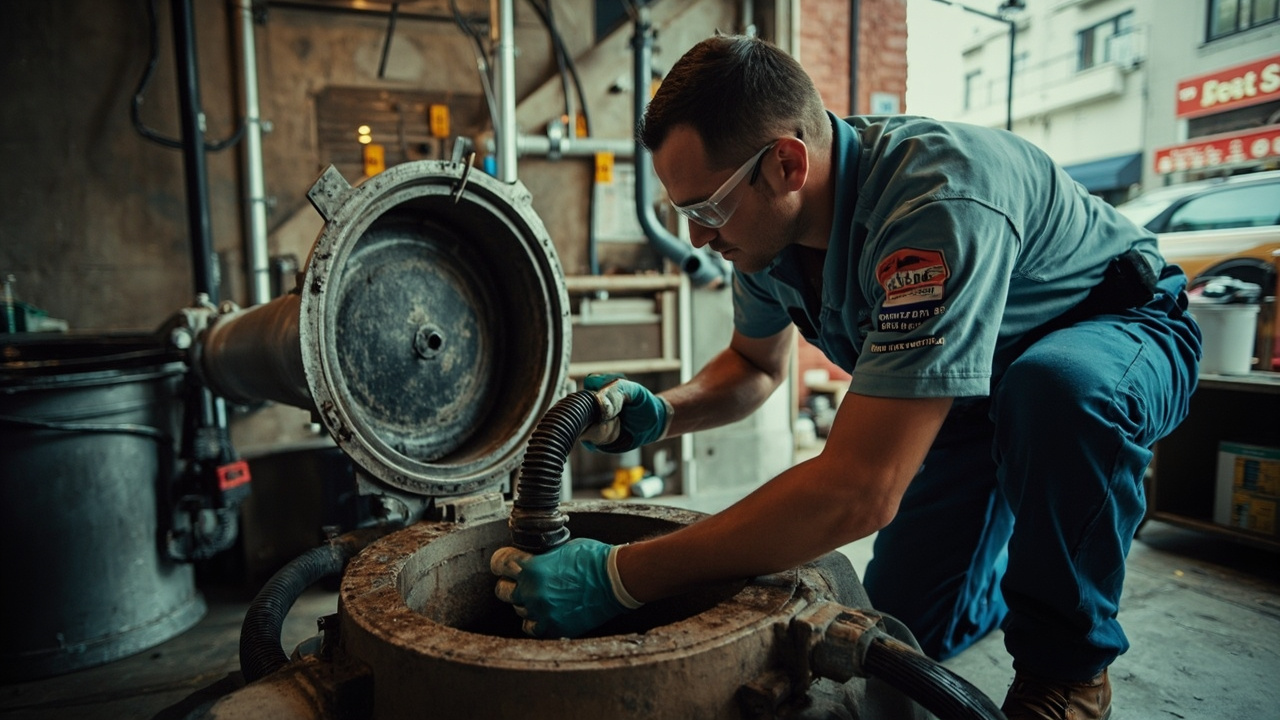
Our process begins with a complete pump-out of the interceptor tank. We remove all three layers: floating grease, wastewater, and settled solids. Partial pumping leaves sludge at the bottom, which accelerates biological decomposition and produces hydrogen sulfide gas. This gas corrodes concrete baffles and metal tank components, shortening the lifespan of your interceptor.

After extraction, we pressure wash the interior walls, baffles, and inlet/outlet pipes. This step removes hardened grease deposits that reduce hydraulic capacity. We inspect baffle integrity and check for cracks in the tank structure. If we identify damage, we document it with photos and provide repair recommendations before the problem escalates.

We also verify that your grease trap is sized correctly for your kitchen's output. Many Seattle restaurants operate with undersized interceptors because of building age or changes in menu volume. If your trap requires pumping more than once per month, it is too small. We calculate grease production based on your seating capacity, meal type, and dishwashing frequency. Then we recommend the correct interceptor size to achieve code compliance without excessive service frequency.

All waste is transported to a licensed FOG processing facility. We provide a manifest receipt for your records. This documentation is required during health department inspections.

What Happens During Your Grease Trap Service Appointment

Grease Trap Cleaning & Pumping in Seattle | Keep Your Business Compliant and Odor-Free
01

Site Assessment and Tank Access

We begin by confirming the location and access point of your grease interceptor. Many Seattle kitchens have traps in basement mechanical rooms, exterior vaults, or under parking areas. We verify that the access lid is not sealed with concrete or covered by equipment. If the tank is underground, we use a probe to confirm depth and positioning before starting the vacuum pump. This prevents accidental damage to inlet pipes or baffles.
02

Complete FOG Extraction

We insert the vacuum hose to the bottom of the tank and extract all contents, including floating grease, water, and sludge. We do not skim only the top layer. Partial pumping leaves organic material that decomposes into corrosive gas. After extraction, we flush the tank walls and baffle plates with high-pressure water to remove adhered grease. We inspect the inlet and outlet tees for blockages and verify that flow direction is correct.
03

Documentation and Compliance Reporting

We refill the tank with clean water to restore the hydraulic seal. Then we complete a service ticket that includes the date, volume pumped, and condition of the interceptor. You receive a signed manifest showing proper disposal at a certified FOG recycling facility. This document satisfies King County reporting requirements and protects you during health inspections. We also note your next recommended service date based on your accumulation rate.

Why Seattle Restaurants Trust Horizon Plumbing for Grease Trap Maintenance

We operate in Seattle year-round and understand the pressure commercial kitchens face during tourist season, convention weeks, and holiday dining surges. Your grease trap does not fail on a convenient schedule. We offer scheduled service contracts that align with your health department filing deadlines, so you never miss a compliance window.

Our technicians are trained in King County's FOG source control regulations. We know the difference between a 500-gallon interceptor under the UPC and a 50-gallon trap under the UPC 1014.1.3 exception. We also understand Seattle's pretreatment requirements for high-strength waste generators, which apply to commissary kitchens, meat processing facilities, and bakeries with high fat discharge.

We work with building managers, property owners, and lease administrators to coordinate service access in multi-tenant buildings. If your grease trap is shared with adjacent tenants, we provide individualized service records for each business. This prevents disputes over maintenance responsibility and ensures that each operator can prove compliance independently.

Horizon Plumbing Seattle also provides emergency grease trap cleanout for overflows and backups. If your kitchen floods because of a blocked interceptor, we dispatch a vacuum truck within two hours. We clear the obstruction, pump the tank, and restore drainage so you can resume operations. We also coordinate with your property's building engineer to identify whether the blockage originated in your trap, the building drain, or the city lateral.

We do not upsell enzyme treatments, bio-additives, or grease-eating bacteria. These products violate municipal discharge rules in Seattle and do not reduce the need for mechanical pumping.

What You Can Expect from Our Grease Interceptor Service

Flexible Scheduling for Night and Weekend Service

We schedule grease trap pumping during your kitchen's off hours to avoid disrupting meal service. Most restaurants request service between 10 PM and 6 AM, or on Mondays when the kitchen is closed. We also provide same-week emergency pumping if you receive a health department notice or experience a backup. Our vacuum trucks are GPS-dispatched, so you receive a text when the technician is 30 minutes away. We complete most pump-outs in 45 to 90 minutes, depending on tank size and accessibility.

Pre-Service Inspection and Capacity Assessment

Before we start pumping, we measure the grease layer thickness and sludge depth. This tells us how quickly your trap is accumulating FOG. If the grease layer exceeds 25 percent of the liquid depth, or if the sludge layer exceeds 25 percent, your trap is due for service under King County rules. We take photos of the interceptor interior and baffle condition. If we find cracks, corrosion, or missing baffles, we provide a written repair estimate. We also check that your trap is vented properly to prevent gas buildup.

Clean Tank and Verified Flow Restoration

After pumping and pressure washing, we refill the tank with clean water to restore the liquid seal. We verify that water flows correctly from the inlet pipe, through the baffles, and out the outlet pipe. If flow is sluggish, we snake the downstream drain line to clear any grease buildup that migrated past the interceptor. You receive a tank that is empty of FOG, free of odor, and ready to process wastewater at full capacity. We also leave the site clean, with no grease spills or standing water around the access point.

Compliance Records and Service Reminders

We maintain a digital service history for your business. You receive a PDF invoice with the service date, waste volume, and manifest number. This record is stored in your account, so you can access it during health inspections or lease audits. We also send a reminder email 30 days before your next scheduled service. If you operate multiple locations in Seattle, we consolidate all your service records into one account dashboard. This simplifies reporting for corporate compliance teams and franchise operators.

Frequently Asked Questions

You Have Questions,
We Have Answers

Why Seattle's Combined Sewer System Makes Grease Trap Compliance Critical

Seattle operates a combined sewer system in older neighborhoods like Pioneer Square, the International District, and parts of Capitol Hill. During heavy rain, stormwater and wastewater share the same pipes. If your grease trap overflows or discharges FOG into the sewer, that grease can enter Elliott Bay or Lake Washington through combined sewer overflows. King County imposes steep penalties on businesses that contribute to CSO pollution events. Regular restaurant grease trap service prevents your kitchen from becoming a liability during Seattle's wet season.

Horizon Plumbing Seattle has worked with food service operators in King County for years. We understand the reporting requirements for FOG generators under the county's Side Sewer and Drainage Ordinance. We also know which neighborhoods have older clay pipe laterals that are more susceptible to grease buildup. Whether you operate a food truck commissary in SoDo, a brewpub in Fremont, or a catering kitchen in Georgetown, we deliver grease interceptor cleaning that meets local standards and protects your business from compliance failures.
Plumbing Services in The Seattle Area

Horizon Plumbing Seattle proudly serves the entire Seattle metropolitan area and surrounding communities. We invite users to view our service area map to confirm that your home or business falls within our coverage zone, ensuring we can deliver fast, reliable service right to your doorstep. Our professional team is strategically located to offer prompt dispatch, whether you're in the heart of downtown or the outlying neighborhoods. Call us to confirm coverage and schedule your expert plumbing appointment today; we look forward to serving you with confidence and a warm welcome.

Address:
Horizon Plumbing Seattle, 1515 Dexter Ave N, Seattle, WA, 98109

Additional Services We Offer

Our news updates

Latest Articles & News from The Blogs

Is Your Garbage Disposal Safe for the Septic System at Your Rural King County Property? If you live in a…

Is Your Garbage Disposal Safe for the Septic System at Your Rural King County Property?

Is Your Garbage Disposal Safe for the Septic System at Your Rural King County Property? If you live in a…

Why You Should Consider a Pressure Reducing Valve for Your Phinney Ridge Home

Why You Should Consider a Pressure Reducing Valve for Your Phinney Ridge Home Living in Phinney Ridge means dealing with…

The Real Difference Between a Main Line Clog and a Simple Sink Drain Issue

The Real Difference Between a Main Line Clog and a Simple Sink Drain Issue \n\n Water backing up in your…

Contact Us

Do not wait for a backup or a code violation. Call Horizon Plumbing Seattle at (564) 220-5552 to schedule commercial grease trap pumping. We offer same-week service, night appointments, and compliance documentation that satisfies King County requirements.