





menu

Gas Leak Detection & Repair in Seattle – Immediate Response Within 60 Minutes

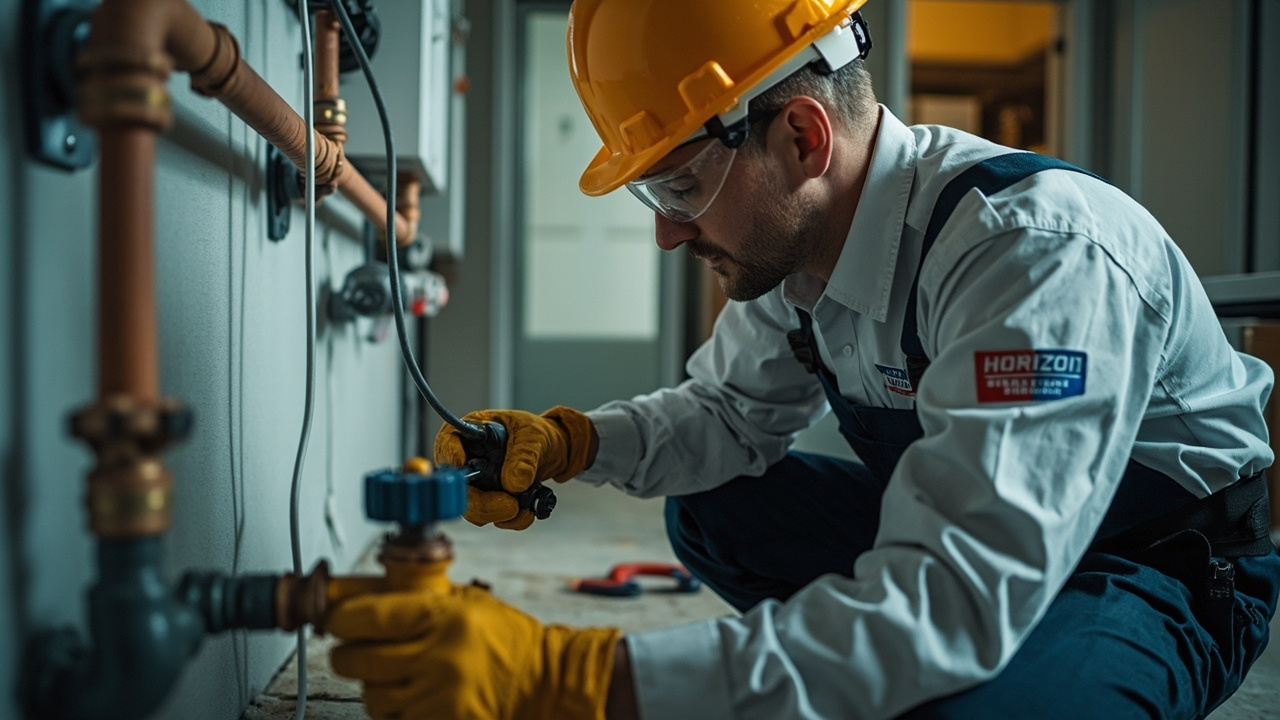
When you smell gas or suspect a leak, every second counts. Horizon Plumbing Seattle dispatches licensed gas leak plumbers to your location fast with the detection equipment and emergency gas line repair tools to stop the danger and restore your safety.

Slider Image 1
Slider Image 2
Slider Image 3
Slider Image 4
Slider Image 5
Slider Image 7
Slider Image 8
Slider Image 9
Slider Image 10
Slider Image 11

Why Gas Leaks Demand Immediate Action in Seattle Homes and Businesses

You smell rotten eggs. Your gas bill spiked. Your carbon monoxide detector is screaming. A gas leak is not a wait-and-see problem. Natural gas is flammable, and even a small leak can lead to explosion, fire, or carbon monoxide poisoning. In Seattle, where many homes and commercial buildings rely on natural gas for heating, water heaters, and appliances, the risk is constant.

Seattle's aging infrastructure compounds the problem. Many properties in neighborhoods like Capitol Hill, Queen Anne, and Ballard have gas lines installed decades ago. The freeze-thaw cycles we experience in winter, combined with ground movement from the region's seismic activity, can stress old black iron pipe and corroded fittings. Underground roots from the Pacific Northwest's dense vegetation can also damage buried lines. Add in the moisture from our 150 days of rain per year, and you have a perfect recipe for corrosion and failure.

If you suspect a gas leak, leave the building immediately. Do not turn on lights, use your phone inside, or try to locate the source yourself. Call 911 from a safe distance, then call a licensed gas leak plumber. Emergency gas line repair is not a DIY project. A trained technician uses calibrated gas pipe leak detection equipment to pinpoint the exact source, isolate the line, and fix the gas leak before it escalates into a life-threatening event. Horizon Plumbing Seattle responds 24/7 because gas leaks do not wait for business hours.

Why Gas Leaks Demand Immediate Action in Seattle Homes and Businesses
How We Locate and Fix Gas Leaks Fast

How We Locate and Fix Gas Leaks Fast

Speed and precision define our emergency gas line repair process. When you call Horizon Plumbing Seattle, we dispatch a technician with a fully stocked service vehicle within the hour. Our trucks carry combustible gas detectors, electronic sniffers, ultrasonic leak detectors, and soap bubble test kits. We do not guess. We measure.

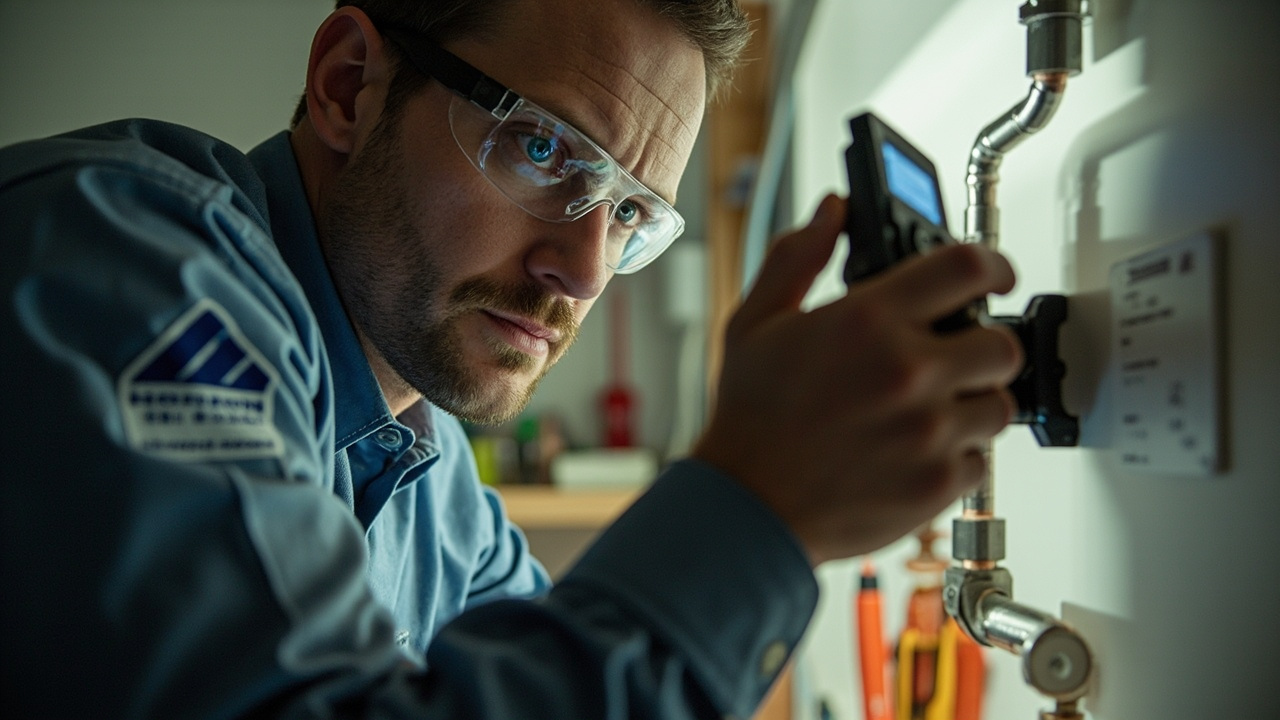
The first step is always safety. We verify ventilation, confirm no ignition sources are active, and use a handheld gas detector to sweep the area. Once we confirm the environment is controlled, we move to gas pipe leak detection. For exposed lines, we apply a soap solution to joints, valves, and fittings. Bubbles indicate escaping gas. For buried or concealed lines, we use electronic gas detectors that sense methane and propane concentrations in parts per million. We can pinpoint a leak inside a wall cavity, under a slab, or beneath a crawl space without destructive guessing.

Once we locate the source, we shut off the gas supply at the meter or the nearest isolation valve. If the leak is at a threaded connection, we often need to replace the fitting or reapply thread sealant and retighten. If the pipe itself is compromised, we cut out the damaged section and install a new segment using approved black iron, CSST flexible gas line, or corrugated stainless steel tubing, depending on the application and local code. We pressure test the repair to 1.5 times the operating pressure, hold for 15 minutes, and recheck with a detector before restoring service. No shortcuts. No assumptions. Just safe, compliant gas line repair services.

What Happens When You Call for Emergency Gas Leak Repair

Gas Leak Detection & Repair in Seattle – Immediate Response Within 60 Minutes
01

Rapid Dispatch and Arrival

You call our emergency line at (564) 220-5552, and we immediately dispatch the nearest available technician. Most of our service area in Seattle and surrounding King County receives response within 60 minutes. The technician arrives with detection equipment, hand tools, pipe fittings, and a full tank of gas for pressure testing. You are not waiting hours for parts or multiple visits.
02

Detection and Isolation

We use electronic gas detectors and physical leak test methods to locate the exact source of the gas escape. Once identified, we shut off the gas supply to that section of the system. If the leak is upstream of the meter, we coordinate with the utility company. If it is downstream, we handle it directly. We isolate the problem zone to minimize disruption to the rest of your gas appliances.
03

Repair and Verification

We repair the damaged fitting, valve, or pipe section using code-compliant materials and techniques. After the repair, we pressure test the line to confirm zero leakage, then recheck with our gas detector. Only after we confirm the system is safe do we restore gas service. We walk you through what we found, what we fixed, and what you should monitor going forward.

Why Seattle Property Owners Trust Horizon Plumbing Seattle for Gas Line Emergencies

Gas work is high stakes. You need a plumber who understands local codes, has the right tools, and does not cut corners. Horizon Plumbing Seattle meets all three requirements. We work under Seattle's adopted International Fuel Gas Code and Washington State plumbing regulations. We know the difference between Schedule 40 black iron and CSST flex line, and we know which one is allowed where. We also know that Seattle's soil conditions, from the clay in South Seattle to the glacial till in North Seattle, can shift and stress buried gas lines over time.

Our technicians carry Washington State Specialty Gas Piping certification. This is not optional. Gas line repair services require specific training in pressure testing, leak detection, and combustion safety. We do not send a generalist plumber to handle a gas emergency. We send someone who has been trained, tested, and equipped for this exact scenario.

Local familiarity matters. We have worked in century-old homes in Wallingford with original gas fixtures, in post-war ramblers in Shoreline with galvanized gas pipe that should have been replaced decades ago, and in modern commercial kitchens in South Lake Union with high-capacity gas ranges and water heaters. We know what fails, why it fails, and how to fix it fast without putting anyone at risk.

We also understand the urgency. A gas leak is not a schedule-for-next-week problem. It is a drop-everything-and-respond problem. That is why we staff 24/7 emergency lines and keep fully stocked service vehicles ready to roll. When you call, you get a human, not a voicemail. You get a technician, not an estimate appointment three days out. You get the problem solved, not temporarily patched.

What to Expect When You Call Horizon Plumbing Seattle for Gas Leak Detection and Repair

Same-Day Emergency Response

Gas leaks do not wait for business hours, and neither do we. We staff emergency dispatch around the clock. When you call (564) 220-5552, we answer immediately and dispatch a technician to your location. Most Seattle-area calls receive response within 60 minutes. We prioritize active gas leaks above all other service calls because we understand the risk. You will not be told to wait until morning or to call back later. We treat every gas emergency as if it were our own home or business at risk.

Thorough Leak Detection and Diagnosis

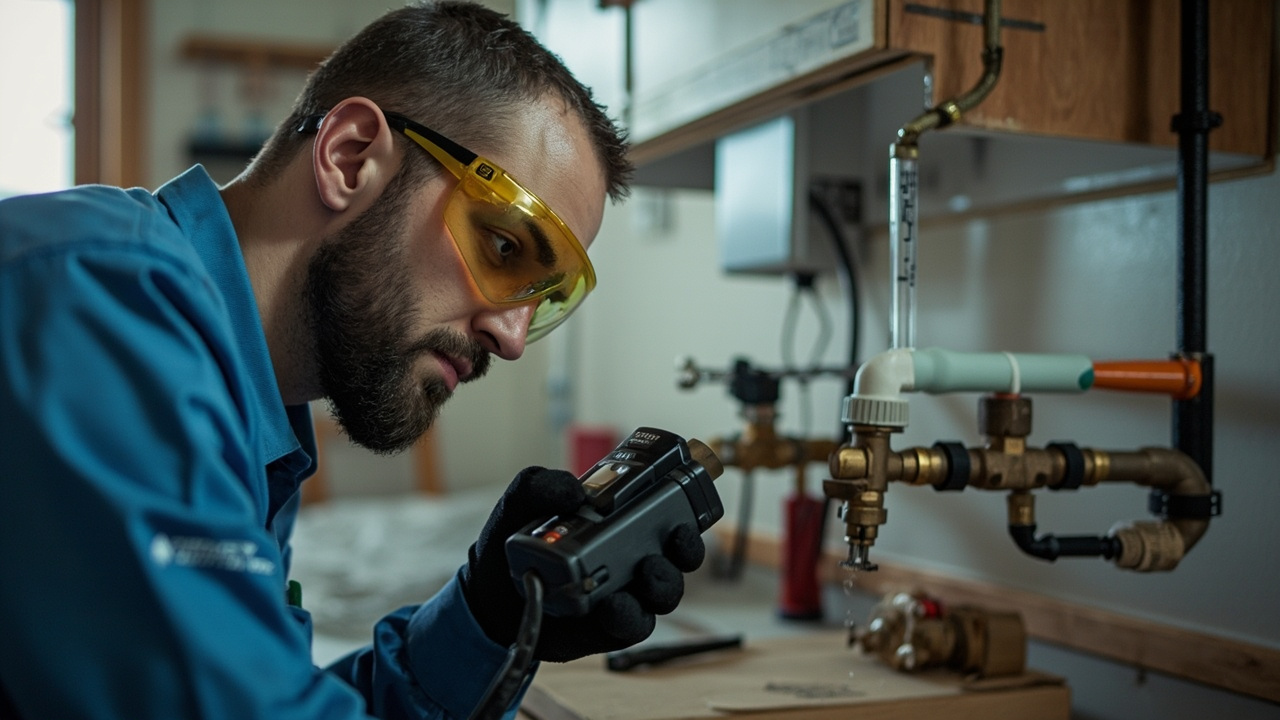
We do not guess where the gas is escaping. Our technicians use calibrated electronic gas detectors, ultrasonic sensors, and soap bubble testing to pinpoint the exact location of the leak. We check every joint, fitting, valve, and appliance connection in the affected zone. If the leak is concealed, we use non-invasive detection methods before cutting into walls or floors. You get a clear explanation of what failed, why it failed, and what the repair will involve before we start work.

Code-Compliant Gas Line Repair

All repairs meet or exceed Seattle's adopted International Fuel Gas Code and Washington State plumbing standards. We use approved materials like Schedule 40 black iron pipe, corrugated stainless steel tubing, and brass fittings rated for natural gas or propane service. We apply Teflon tape or pipe dope rated for gas, not water. After the repair, we pressure test the line to 1.5 times the operating pressure and hold for 15 minutes. We recheck with electronic detection equipment before restoring service. You get documentation of the test results and a detailed invoice.

Follow-Up and Prevention Guidance

After we fix the gas leak, we explain what caused the failure and what you can do to prevent future problems. If we find additional risk factors like corroded fittings, undersized pipe, or improper appliance connections, we document them and provide a written recommendation. We can also schedule a full gas system inspection if your home or building is older or if you are planning renovations. Gas line integrity is not a one-time concern. Regular inspection and proactive maintenance prevent emergencies before they happen.

Frequently Asked Questions

You Have Questions,
We Have Answers

How much does it cost to detect a gas leak? +

Gas leak detection in Seattle typically costs between $75 and $200 for a service call. Some plumbers waive the diagnostic fee if you proceed with repairs immediately. Emergency after-hours detection costs more. Many Seattle homes, especially older properties in neighborhoods like Queen Anne and Capitol Hill, have aging gas lines that require specialized electronic detection equipment. If Puget Sound Energy suspects a leak near the meter, they inspect for free. For internal lines past the meter, you need a licensed plumber. Never wait to investigate a suspected leak. Get detection done now.

How much does it cost to get your gas leak fixed? +

Gas leak repair costs in Seattle range from $150 for a simple fitting tightening to $3,500 for extensive line replacement. The price depends on leak location, accessibility, and line type. Older Seattle homes often have corroded iron pipes that need full replacement. Emergency repairs cost 1.5 to 2 times standard rates. Repairs inside walls or under concrete slabs cost more due to access work. Replacing a gas valve runs $200 to $400. Repiping an entire gas system in a Seattle home costs $1,200 to $4,000. Get multiple quotes but prioritize speed over savings.

Do gas leak detectors actually work? +

Yes, gas leak detectors work when properly installed and maintained. Plug-in detectors sense natural gas and propane, triggering alarms at dangerous concentration levels. Install detectors near gas appliances and sleeping areas. In Seattle's damp climate, detectors need replacement every 5 to 7 years because moisture degrades sensors. Battery-powered units offer backup during power outages. Detectors alert you early but do not replace professional inspections. If your detector alarms, evacuate immediately and call 911 from outside. Test detectors monthly. Detectors buy you critical minutes to escape and prevent explosions.

How much is a gas leak call out? +

A gas leak call out in Seattle costs $100 to $250 for standard business hours and $200 to $400 for emergency after-hours service. This covers the technician's arrival, inspection, and diagnosis. Many plumbers apply the call-out fee toward repair costs if you authorize work immediately. During Seattle's rainy winter months, emergency calls spike due to soil shifting around underground lines. Puget Sound Energy responds to street-side and meter leaks at no charge. For leaks inside your property line, you pay for professional detection and repair. Never hesitate over cost. Gas leaks require immediate professional response.

Does home insurance cover leak detection? +

Most Seattle homeowners insurance policies do not cover leak detection unless you have specific endorsements or riders. Standard policies cover sudden damage from leaks but exclude gradual deterioration and routine maintenance. Some insurers offer water and gas leak detection coverage as optional add-ons. Review your policy declarations page or call your agent. If a gas leak causes fire or explosion damage, your dwelling and liability coverage applies. Seattle's older housing stock makes leak detection endorsements worth considering. Document all detection and repair invoices. Insurance may cover emergency repairs if the leak caused covered damage.

Is a gas leak covered by homeowners insurance? +

Homeowners insurance typically covers gas leak damage, not the leak repair itself. If a gas leak causes a fire or explosion, your dwelling coverage pays for structural repairs and your personal property coverage replaces damaged belongings. Standard policies exclude gradual deterioration and maintenance issues. In Seattle, where many homes have aging gas systems, insurers view line replacement as preventive maintenance. If earthquake activity causes a sudden line rupture, coverage depends on whether you have earthquake insurance. Your liability coverage protects you if a leak injures someone. Always report gas incidents to your insurer immediately, even before filing a claim.

Whose responsibility is it to fix a gas leak? +

Responsibility for gas leak repairs depends on leak location. Puget Sound Energy owns and repairs lines from the street to your meter at no charge. You own everything past the meter, including interior piping, connectors, and appliance hookups. In Seattle rental properties, landlords must repair gas leaks immediately. Tenants must report suspected leaks but cannot make repairs themselves. For shared gas systems in condos or multi-family buildings, HOA documents define responsibility. Never delay identifying who pays. Gas leaks require immediate professional repair regardless of cost responsibility. Evacuate first, determine payment later. Washington law holds property owners liable for maintaining safe gas systems.

How to tell if you have a gas leak in your house? +

You can detect gas leaks through smell, sound, and sight. Natural gas smells like rotten eggs or sulfur due to added mercaptan. Listen for hissing near appliances, pipes, or the meter. Look for dead vegetation over underground lines, bubbles in standing water, or white dust clouds near pipes. Physical symptoms include headaches, dizziness, nausea, and fatigue. In Seattle's older homes, check connections behind stoves and water heaters. Never use matches or lighters to investigate. Avoid electrical switches. If you suspect a leak, evacuate immediately, call 911 from outside, and contact Puget Sound Energy or a licensed plumber.

Are gas leak repairs free? +

No, gas leak repairs are not free unless Puget Sound Energy determines the leak occurs in their equipment before your meter. You pay for all repairs to pipes, fittings, and appliances past the meter. Some home warranty plans cover gas line repairs, but emergency services often cost extra. In Seattle rental properties, landlords must pay for repairs. Never attempt DIY gas repairs. Washington law requires licensed plumbers for gas work. Some contractors offer financing for expensive repairs like full line replacement. Emergency repairs cost more but cannot wait. Gas leaks threaten life and property. Get professional repairs immediately, then address payment options.

What if I smell gas but no leak detected? +

If you smell gas but professionals find no leak, several factors explain the odor. Other sulfur sources like sewer gas, rotten food, or skunk spray mimic natural gas smell. In Seattle's damp climate, sewer gas escapes through dry P-traps in unused drains. Mercaptan dissipates quickly outdoors, making intermittent leaks hard to detect. Some people smell gas at lower concentrations than detection equipment registers. Your olfactory sense provides early warning. Request a follow-up inspection if the smell returns. Install a gas detector for continuous monitoring. Trust your nose. If you smell gas again, evacuate and call for help immediately. Never ignore your instincts.

Why Seattle's Seismic Activity and Wet Climate Make Gas Leak Detection Critical

Seattle sits on the Cascadia Subduction Zone, one of the most seismically active regions in North America. Even minor tremors can shift soil and stress rigid gas piping. Older homes with black iron pipe installed in the 1950s and 1960s are especially vulnerable. These lines were not designed with flexible couplings or seismic bracing. Add in the region's high annual rainfall, and you get accelerated corrosion at underground connections and exposed fittings. Buried gas lines in Capitol Hill, Ballard, and West Seattle often show signs of rust and thread degradation by the time a leak becomes noticeable. Regular gas pipe leak detection can catch these issues early.

Local expertise matters when you are dealing with gas. Seattle's building codes and permitting requirements are specific, and the city requires licensed contractors for all gas line work. Horizon Plumbing Seattle holds Washington State Specialty Gas Piping certification and maintains all required permits and insurance. We have worked on everything from historic Queen Anne Victorians with original gas fixtures to modern commercial buildings in South Lake Union with complex manifold systems. We understand the local inspection process, the specific materials allowed by Seattle's adopted fuel gas code, and the best practices for working in this region's unique soil and climate conditions.

Plumbing Services in The Seattle Area

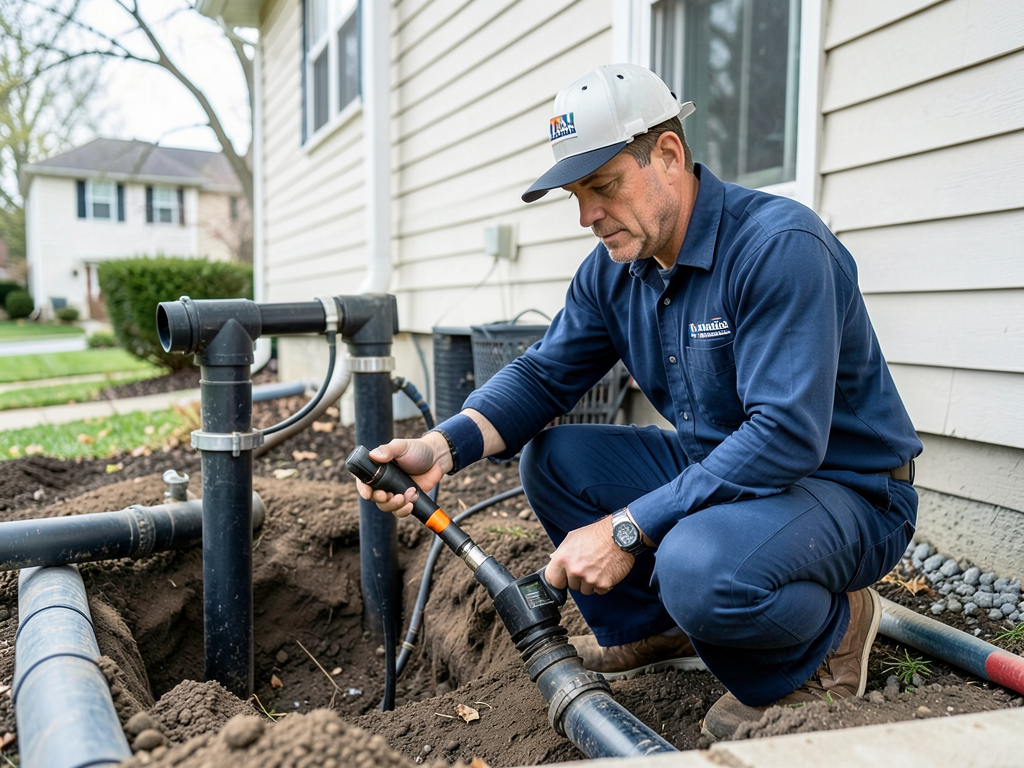
Horizon Plumbing Seattle proudly serves the entire Seattle metropolitan area and surrounding communities. We invite users to view our service area map to confirm that your home or business falls within our coverage zone, ensuring we can deliver fast, reliable service right to your doorstep. Our professional team is strategically located to offer prompt dispatch, whether you're in the heart of downtown or the outlying neighborhoods. Call us to confirm coverage and schedule your expert plumbing appointment today; we look forward to serving you with confidence and a warm welcome.

Address:
Horizon Plumbing Seattle, 1515 Dexter Ave N, Seattle, WA, 98109

Additional Services We Offer

Our news updates

Latest Articles & News from The Blogs

Converting Your Old Wedgwood Bathtub into a Modern Walk-In Shower Converting your old Wedgwood bathtub to a modern walk-in shower…

Converting Your Old Wedgwood Bathtub into a Modern Walk-In Shower

Converting Your Old Wedgwood Bathtub into a Modern Walk-In Shower Converting your old Wedgwood bathtub to a modern walk-in shower…

Replacing Corroded Cast Iron Drain Lines in Your Crown Hill Bungalow

Replacing Corroded Cast Iron Drain Lines in Your Crown Hill Bungalow\n\nCast iron drain pipes in Crown Hill's classic 1940s and…

Why Homeowners in Georgetown are Upgrading to Professional Bidet Installations

Why Georgetown Homeowners Are Choosing Professional Bidet Installation Services Georgetown's historic industrial charm and vibrant community make it a unique…

Contact Us

Gas leaks are life-threatening. If you smell gas, leave immediately and call (564) 220-5552 from a safe location. We will dispatch a licensed gas leak plumber to your Seattle property within the hour. Available 24/7 for emergency gas line repair.