




menu

Signs You Need Sewer Repair in Seattle – Expert Diagnosis to Prevent Thousands in Property Damage

Our technicians identify warning signs of main sewer line issues before they escalate into flooding, foundation damage, or full system collapse. Horizon Plumbing Seattle delivers accurate diagnostics using camera inspection technology to pinpoint symptoms of a broken sewer line throughout the greater Seattle metro.

Slider Image 1
Slider Image 2
Slider Image 3
Slider Image 4
Slider Image 5
Slider Image 7
Slider Image 8
Slider Image 9
Slider Image 10
Slider Image 11

How Seattle's Unique Climate and Soil Create Hidden Sewer Line Damage

Seattle's frequent rainfall and shallow water table create conditions where sewer line failure symptoms go unnoticed until significant damage occurs. The region's combination of clay and silty soil expands when wet and contracts during dry months. This constant movement shifts underground pipes, creating fractures at joints and weak points.

Root intrusion from Douglas firs, maples, and cedars accelerates sewer pipe deterioration across neighborhoods like Ballard, Capitol Hill, and West Seattle. These trees aggressively seek water sources, penetrating even small cracks in aging clay and cast iron lines common in homes built before 1980. The city's older infrastructure compounds this problem, with many properties still relying on original sewer connections from the 1950s and 1960s.

Indicators of sewer line damage often appear gradually. Homeowners dismiss slow drains as minor clogs, not recognizing these as symptoms of a broken sewer line. By the time sewage backs up into basements or creates wet spots in yards, the damage typically requires extensive repair rather than simple maintenance.

Understanding how to tell if your sewer pipe is broken starts with recognizing the relationship between Seattle's environment and your plumbing system. Heavy winter rains saturate soil and increase hydrostatic pressure against pipes. Freeze-thaw cycles, though less severe than other regions, still cause micro-fractures. These warning signs of main sewer line issues require professional assessment before they progress to catastrophic failure.

How Seattle's Unique Climate and Soil Create Hidden Sewer Line Damage
The Diagnostic Technology That Reveals What Standard Inspections Miss

The Diagnostic Technology That Reveals What Standard Inspections Miss

Accurate sewer line diagnosis requires more than guesswork and drain snakes. We deploy waterproof video cameras mounted on flexible cables to travel through your entire sewer line from cleanout to main connection. This visual inspection reveals cracks, root masses, bellied sections where pipes have settled, and corrosion invisible from above ground.

The camera feed transmits real-time footage to our technician's monitor, allowing precise measurement of pipe diameter, material identification, and damage location relative to your property boundaries. We mark the exact depth and position of problems using a transmitter attached to the camera head. This eliminates unnecessary excavation and reduces repair costs by targeting only affected sections.

Our diagnostic protocol begins with a review of your symptoms. Multiple slow drains indicate a main line obstruction rather than individual fixture problems. Gurgling sounds from toilets when running water elsewhere signal negative pressure from a blocked vent or backed-up line. Sewage odors near floor drains or in crawl spaces point to broken trap seals or cracked pipes venting gases into your home.

We conduct hydrostatic testing on suspicious sections, sealing pipe ends and filling lines with water to measure pressure loss. A drop in pressure confirms leaks even when video inspection shows minimal visible damage. This combination of visual and pressure analysis provides complete assessment of structural integrity.

For properties with ongoing backups despite cleaning, we investigate offset joints where sections have separated, creating catch points for debris and roots. We document pipe grade to confirm proper slope for gravity flow. Seattle's relatively flat terrain means even small settling can reverse grade and cause chronic drainage problems requiring line replacement rather than simple cleaning.

What Happens During Your Sewer Line Assessment

Signs You Need Sewer Repair in Seattle – Expert Diagnosis to Prevent Thousands in Property Damage
01

Initial Symptom Review

Our technician documents your drainage issues, recent backups, and any visible problems like wet yard areas or foul odors. We identify all cleanout access points on your property and review the age of your home to determine likely pipe materials. This information guides our inspection strategy and helps predict common failure points based on installation era and local soil conditions throughout Seattle neighborhoods.
02

Camera Inspection

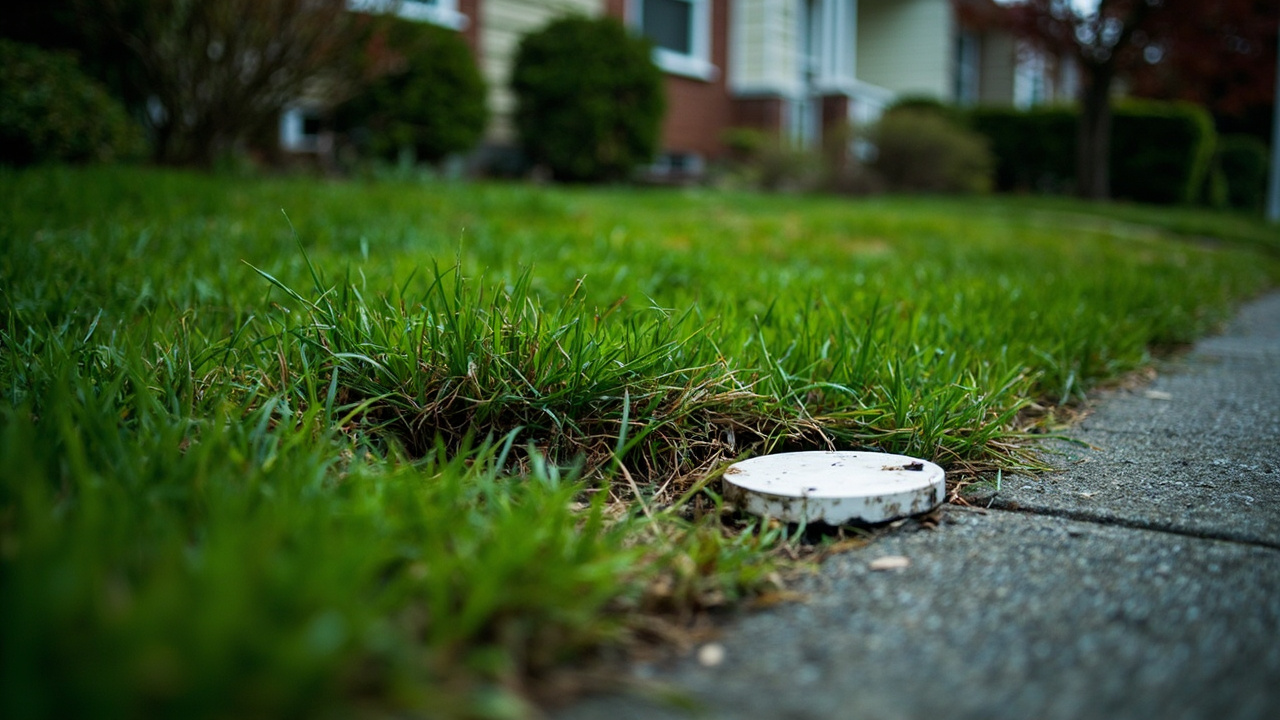
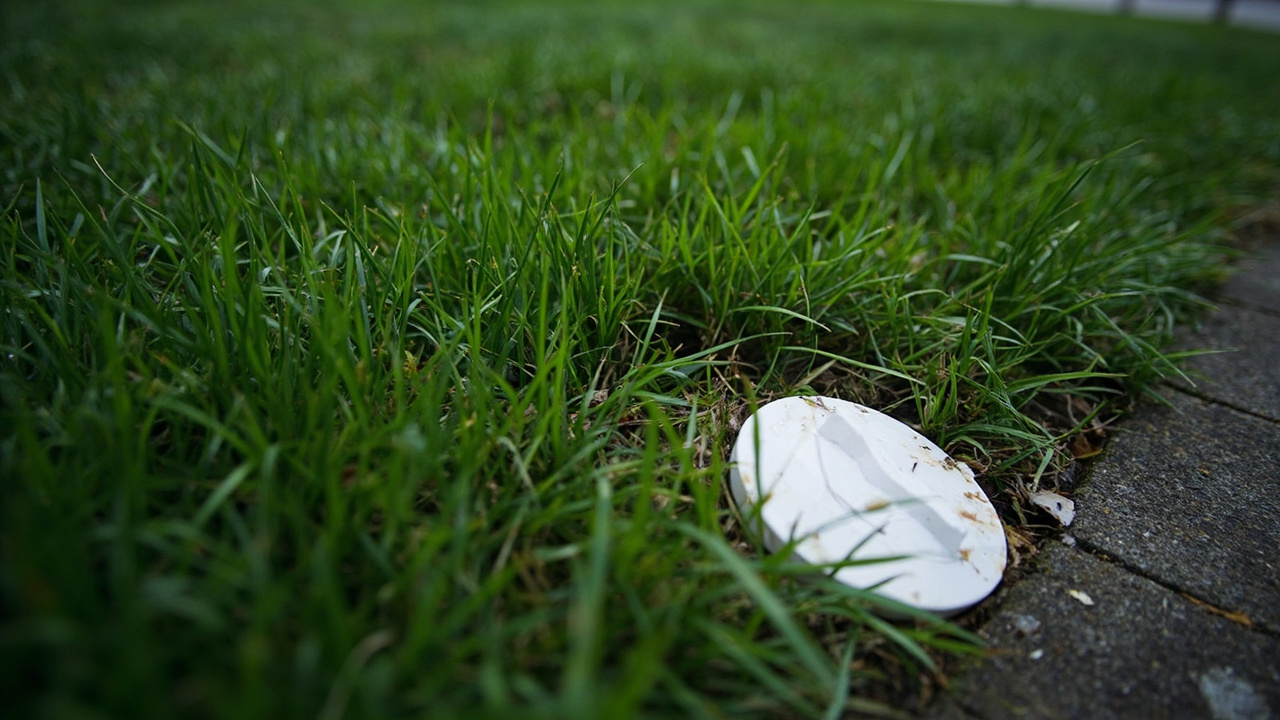
We insert the waterproof video camera through your cleanout, advancing it through the entire sewer line while recording footage. The camera illuminates pipe interiors and captures clear images of any damage, blockages, or deterioration. We measure distances from entry point to problem areas and use the transmitter to mark exact locations above ground. You watch the inspection in real-time and receive a recording for your records.
03

Detailed Repair Recommendations

After completing the inspection, we review all findings with you using the video evidence. We explain which issues require immediate repair versus monitoring, provide options for trenchless versus traditional excavation methods, and outline realistic timelines. You receive a written assessment detailing pipe condition, specific damage locations, and recommended solutions. This documentation proves valuable for insurance claims and future property transactions requiring sewer line disclosure.

Why Seattle Property Owners Trust Local Sewer Line Expertise

Seattle's unique combination of marine climate, seismic activity, and aging infrastructure requires plumbers who understand local conditions affecting underground systems. We work daily with the pipe materials and soil types specific to this region, from the sandy loam in North Seattle to the dense clay in Georgetown and South Park.

Our familiarity with Seattle's building codes and permit requirements streamlines repairs that require city approval. We maintain relationships with Seattle Public Utilities inspectors and understand current regulations regarding side sewer connections, required materials, and proper restoration procedures. This local knowledge prevents costly delays and ensures compliance with municipal standards.

Properties in historic districts like Queen Anne and Wallingford often contain original clay pipe from the early 1900s. These lines require specialized handling during repair to preserve surrounding structures and meet historic preservation requirements. We coordinate with necessary departments and understand which repairs qualify for side sewer improvement programs offered by the city.

Horizon Plumbing Seattle technicians recognize tree species common to Seattle landscapes and their root growth patterns. We know that willows near Green Lake properties create different challenges than the maples dominating Ravenna. This botanical knowledge informs our assessment of root intrusion severity and long-term repair strategies.

Our response capacity serves the entire Seattle metro without the delays common to national chains operating dispatch centers in other states. We stock parts compatible with both modern PVC systems and legacy materials still prevalent in older neighborhoods. This preparation means we complete repairs faster because we already have components sized for Seattle's standard pipe configurations.

The region's susceptibility to landslides and soil movement, particularly in hillside areas like Magnolia and Admiral, requires understanding how ground shifting affects buried pipes. We assess whether drainage problems stem from pipe damage or larger geotechnical issues requiring soil stabilization before permanent repairs.

What You Should Know Before Scheduling Your Inspection

Response Time

We schedule non-emergency sewer inspections within 48 hours of your call. Most assessments take 90 minutes to two hours depending on line length and access point locations. Emergency situations involving active sewage backups receive same-day response, with technicians arriving within four hours. We work standard business hours for routine inspections and maintain 24-hour availability for urgent problems threatening property or health. Our scheduling accommodates your availability without requiring you to wait through vague time windows.

The Inspection Process

Your inspection begins with locating and accessing your main cleanout, typically found near the foundation or property line. If your property lacks a cleanout, we access through a vent stack or toilet flange, though this limits camera travel distance. The camera inspection itself takes 30 to 45 minutes. We review findings immediately after completing the camera run, explaining what we found in clear terms without technical jargon designed to upsell unnecessary services. You receive a USB drive with complete video footage and a written summary of conditions and recommendations.

Diagnostic Accuracy

Our camera equipment provides clear color footage even in water-filled pipes, eliminating the need to drain lines before inspection. The high-resolution imaging identifies cracks as narrow as one-eighth inch and distinguishes between temporary blockages and permanent structural damage. We measure pipe diameter and grade precisely, determining whether problems result from improper installation or age-related deterioration. This accuracy prevents misdiagnosis that leads to ineffective repairs. The transmitter locates damage within six inches of accuracy, minimizing excavation area if traditional repair becomes necessary.

Follow-Up Options

After your inspection, we provide repair estimates within 24 hours for any identified problems. Estimates include both traditional excavation and trenchless options when applicable, with clear explanations of each method's advantages for your specific situation. We schedule repairs based on urgency and your timeline preferences. For properties with aging lines showing early deterioration, we offer periodic re-inspection services to monitor progression before problems become emergencies. All inspection documentation remains available for insurance claims, real estate transactions, or future service by any plumber you choose.

Frequently Asked Questions

You Have Questions,
We Have Answers

What are four signs that your sewer line is broken? +

Four clear signs indicate a broken sewer line. First, multiple drains in your home back up at the same time. Second, you notice foul sewage odors near drains or in your yard. Third, patches of extra green or soggy grass appear in your lawn where the line runs underground. Fourth, you hear gurgling sounds from toilets or drains when water flows. Seattle homes built before 1980 often have clay or cast iron pipes that crack from tree root intrusion or shifting soil. If you spot any of these signs, call a plumber immediately to prevent contamination and costly foundation damage.

How do you tell if you have a sewer problem? +

You have a sewer problem when waste water drains slowly throughout your home, not just one fixture. Watch for toilet water that rises when you run the washing machine or shower. Bad smells coming from drains signal gas escaping through damaged pipes. Cracks in your foundation or settling floors can indicate a leak undermining your home's structure. Seattle's frequent rain can mask soggy spots in your yard where sewage seeps out. Rodents or insects appearing near drains also point to breaks in the line. A camera inspection confirms the exact location and severity of the damage.

How do you know if your sewer line needs to be replaced? +

Your sewer line needs replacement when repairs become frequent and costly. Pipes older than 50 years, common in Seattle's older neighborhoods, often reach the end of their lifespan. Multiple sections showing corrosion, bellying, or offset joints mean the entire line is failing. Tree roots infiltrating throughout the pipe require full replacement rather than spot fixes. A camera inspection reveals whether cracks and breaks affect more than 30 percent of the line. Collapsed sections or severe channeling from decades of use leave no choice but replacement. Professional evaluation determines if trenchless replacement or traditional excavation works best for your property.

Does homeowners insurance cover main sewer line repair? +

Most homeowners insurance policies do not cover main sewer line repair. Standard policies exclude damage from wear and tear, aging infrastructure, or poor maintenance. You typically pay out of pocket for root intrusion, corrosion, or collapsed pipes. Some insurers offer optional sewer backup endorsements that cover interior damage from backups, but not the pipe repair itself. Check your policy carefully. Seattle Public Utilities offers a side sewer financial assistance program for low income homeowners. Some homeowners buy separate sewer line insurance policies. Always document the damage and review your coverage limits before starting repairs.

How much does it cost to fix a collapsed sewer line? +

Fixing a collapsed sewer line in Seattle typically ranges from several thousand dollars to over ten thousand, depending on depth, length, and access. Traditional excavation costs less per foot but requires digging up driveways, landscaping, or concrete. Trenchless methods like pipe bursting or lining cost more upfront but avoid major landscape destruction. Seattle's rocky soil and high groundwater in some neighborhoods increase excavation difficulty. Permit fees from Seattle Department of Construction and Inspections add to the total. Emergency repairs cost more than scheduled work. Get multiple detailed estimates and ask about trenchless options to minimize property disruption.

Who is responsible for a broken sewer pipe? +

Homeowners are responsible for the entire sewer lateral from the house to where it connects to the city main in the right of way. This includes pipes under your yard, driveway, and sometimes extending into the street. Seattle Public Utilities maintains only the main sewer lines in streets. You pay for repairs, even if the break occurs in the public right of way. If tree roots from city trees damage your lateral, you still handle the repair. During home sales, sewer laterals often become negotiation points. Keep repair records. Seattle requires side sewer permits for any work on these lines.

How much does it cost to have your sewer line inspection? +

A professional sewer line camera inspection in Seattle costs between a few hundred and several hundred dollars, depending on line length and access difficulty. Many plumbers include a basic inspection when diagnosing backup issues. Comprehensive inspections with detailed video recordings and written reports cost more. The camera travels through your cleanout, revealing cracks, root intrusion, bellying, and blockages. Seattle's older homes benefit from pre-purchase inspections before closing. Some plumbers offer free inspections with repair estimates. The cost is minimal compared to digging in the wrong spot or missing hidden damage. Always request a copy of the video footage.

Can sewer pipes be repaired without digging? +

Yes, trenchless methods repair sewer pipes without major excavation. Pipe lining inserts an epoxy-coated sleeve through existing pipes, creating a new interior surface. Pipe bursting fractures the old pipe while simultaneously pulling new pipe through. These methods work through small access points at each end. Seattle's hilly terrain and tight urban lots make trenchless repair attractive. Not all situations qualify. Severely collapsed sections, extreme bellying, or pipes offset by more than a few inches may still need digging. Trenchless repairs cost more but save landscaping, driveways, and time. A camera inspection determines if your line qualifies.

How to check if main sewer line is clogged? +

Check for a clogged main sewer line by flushing your lowest toilet while watching other drains. If water backs up in your shower or bathtub, the main line is blocked. Multiple slow drains throughout the house point to a main line issue rather than individual fixture clogs. Listen for gurgling sounds from toilets when you run water elsewhere. Check your cleanout cap in the basement or yard. If sewage overflows there, the blockage sits between that point and the street. Seattle's mature trees often send roots into sewer lines. A professional camera inspection pinpoints the exact blockage location.

What is the average lifespan of a sewer line? +

Sewer line lifespan depends on pipe material. Cast iron pipes, common in Seattle homes built before 1980, last 50 to 75 years before corrosion causes failure. Clay pipes from older homes last 50 to 60 years but crack from tree roots and soil movement. Orangeburg pipes, used between 1940 and 1970, fail after 30 to 50 years. Modern PVC pipes should last over 100 years. Seattle's wet climate accelerates corrosion in metal pipes. Clay soil shifts can stress rigid pipes. If your home is over 50 years old and still has original plumbing, schedule a camera inspection to assess remaining lifespan.

How Seattle's Side Sewer Ordinance Affects Your Repair Responsibility

Seattle property owners hold responsibility for their side sewer from the house to the connection point with the city main in the street or alley. This typically includes 30 to 60 feet of pipe running through your yard and under sidewalks. The city requires repairs meet current code even when replacing old sections, meaning you cannot simply patch clay pipe with more clay. Understanding this responsibility prevents surprise costs when indicators of sewer line damage appear. The Side Sewer Improvement Program offers partial financial assistance for qualifying repairs, but requires proper permits and approved contractors. Recognizing symptoms of a broken sewer line early allows time to plan repairs and explore available assistance programs before emergency situations eliminate your options.

Our technicians maintain current training on Seattle's plumbing codes and side sewer requirements, ensuring repairs pass inspection the first time. We handle permit applications and coordinate required inspections with Seattle Public Utilities, removing bureaucratic burden from property owners unfamiliar with municipal processes. This local expertise matters when determining whether warning signs of main sewer line issues require full replacement or qualify for spot repairs. We provide documentation meeting city requirements for properties undergoing real estate transactions requiring sewer inspections as part of due diligence. Working with plumbers who understand Seattle's specific regulations protects you from contractors who apply generic solutions incompatible with local codes.
Plumbing Services in The Seattle Area

Horizon Plumbing Seattle proudly serves the entire Seattle metropolitan area and surrounding communities. We invite users to view our service area map to confirm that your home or business falls within our coverage zone, ensuring we can deliver fast, reliable service right to your doorstep. Our professional team is strategically located to offer prompt dispatch, whether you're in the heart of downtown or the outlying neighborhoods. Call us to confirm coverage and schedule your expert plumbing appointment today; we look forward to serving you with confidence and a warm welcome.

Address:
Horizon Plumbing Seattle, 1515 Dexter Ave N, Seattle, WA, 98109

Additional Services We Offer

Our news updates

Latest Articles & News from The Blogs

Is Your Garbage Disposal Safe for the Septic System at Your Rural King County Property? If you live in a…

Is Your Garbage Disposal Safe for the Septic System at Your Rural King County Property?

Is Your Garbage Disposal Safe for the Septic System at Your Rural King County Property? If you live in a…

Why You Should Consider a Pressure Reducing Valve for Your Phinney Ridge Home

Why You Should Consider a Pressure Reducing Valve for Your Phinney Ridge Home Living in Phinney Ridge means dealing with…

The Real Difference Between a Main Line Clog and a Simple Sink Drain Issue

The Real Difference Between a Main Line Clog and a Simple Sink Drain Issue \n\n Water backing up in your…

Contact Us

Waiting to investigate drainage problems allows minor damage to progress into expensive failures. Call Horizon Plumbing Seattle at (564) 220-5552 to schedule your camera inspection. We identify exactly what is wrong with your sewer line and provide clear options to fix it correctly.