Clearing Stubborn Main Line Clogs with Hydro Jetting in Queen Anne
Queen Anne’s historic homes with their mature tree canopy and aging clay sewer pipes often face recurring main line clogs that traditional snaking can’t resolve. Hydro jetting uses high-pressure water streams up to 4,000 PSI to clear roots, grease, and scale from pipes up to 150 feet deep. This service is specifically designed for Queen Anne’s unique infrastructure challenges where older cast iron and clay pipes intersect with mature root systems near Kerry Park and on steep residential streets.. Read more about Trenchless Sewer Repair Options for Historic Capitol Hill Homes.
How Queen Anne’s Infrastructure Creates Unique Clog Challenges
Queen Anne’s steep grades and mature tree canopy create perfect conditions for main line blockages. The neighborhood’s original clay sewer pipes installed in the early 1900s are particularly vulnerable to root intrusion from the same century-old trees that give the area its character. These pipes, combined with the hill’s natural drainage patterns, often accumulate sediment that hardens into scale over decades.. Read more about How to Handle a Clogged Drain in Your Issaquah Home Fast.
The high clay content in Queen Anne’s soil exacerbates these issues. When tree roots detect moisture escaping through tiny cracks in aging pipes, they grow aggressively toward the source. This creates a cycle where roots enter pipes, trap debris, and cause complete blockages that require more than just mechanical snaking to resolve.
Hydro Jetting vs. Traditional Snaking: Why Pressure Wins
Traditional drain snaking uses a rotating cable to punch through blockages but leaves residue on pipe walls. Hydro jetting completely clears pipes by using water pressure between 1,500 and 4,000 PSI to scour the entire diameter clean. This removes not just the immediate clog but also the buildup that would cause future blockages.
The difference becomes clear when comparing results. Snaking might clear a path through a root mass, but jetting removes the entire root system and the grease that attracted it. For Queen Anne homes with recurring issues, jetting provides a longer-lasting solution by restoring pipes to near-original capacity.
| Method | Pressure Level | Cleaning Coverage | Best For |
|---|---|---|---|
| Traditional Snaking | 0 PSI | Creates hole through clog | Minor hair clogs |
| Hydro Jetting | 1,500-4,000 PSI | Cleans entire pipe diameter | Roots, grease, scale |
Professional Hydro Jetting Process for Queen Anne Homes
The process begins with a sewer camera inspection to locate the blockage and assess pipe condition. Technicians feed a waterproof camera through the main line to identify the clog source, pipe material, and any damage that might affect the jetting process. This step is crucial for Queen Anne’s older homes where unexpected pipe configurations are common.. Read more about Sewer Scope Inspections for Home Buyers in Madison Park.
Once the inspection is complete, technicians select the appropriate jetting nozzle and pressure settings based on pipe material. Clay pipes require lower pressure settings around 1,500 PSI to prevent damage, while cast iron can handle up to 4,000 PSI. The jetting hose is then fed through a cleanout or roof vent to reach the blockage.
During jetting, water at high pressure scours pipe walls clean while simultaneously flushing debris toward the sewer main. The process typically takes 1-3 hours depending on blockage severity and pipe length. A final camera inspection confirms complete clearance and identifies any pipes needing repair. EPA sewer system guidelines.
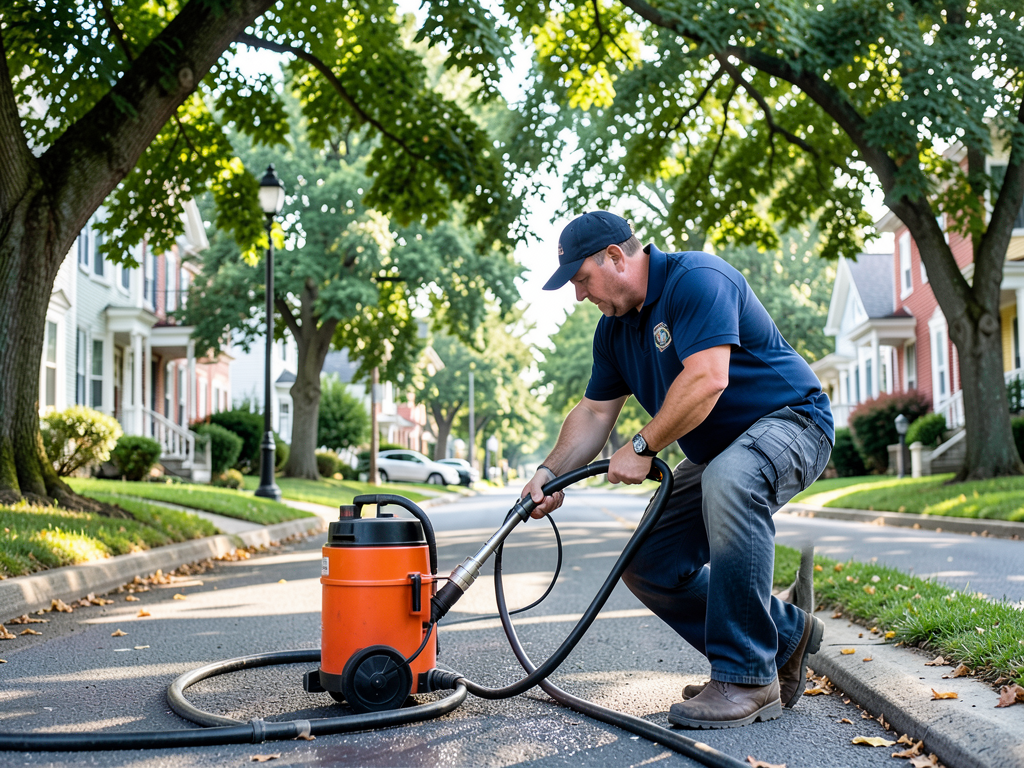
Diagram showing hydro jetting equipment setup with camera inspection, high-pressure hose, and nozzle types for different pipe materials.
Queen Anne’s Most Common Clog Sources
Tree roots from maple, oak, and fir trees are the primary culprits in Queen Anne main line clogs. These species are particularly aggressive in seeking water sources through pipe joints and cracks. The neighborhood’s older sewer laterals, often installed with clay or Orangeburg pipe, provide easy entry points for root systems.
Grease buildup from kitchen waste creates secondary blockages that trap other debris. In Queen Anne’s older homes with original plumbing, grease can accumulate over decades, creating a scale that narrows pipe diameter by up to 70%. When combined with root intrusion, these conditions create complete blockages requiring professional intervention.. Read more about Professional Sump Pump Installation for Shoreline Basements.
Foreign objects flushed down drains also contribute to main line issues. Items like wet wipes, feminine products, and paper towels don’t break down like toilet paper and can create blockages when they encounter existing buildup or root masses in the sewer line.. Read more about The Best Toilet Repair and Replacement Services in Beacon Hill.
Cost Factors for Hydro Jetting in Seattle
Hydro jetting costs in Queen Anne typically range from $400 to $800 depending on blockage severity and pipe accessibility. Factors affecting price include the distance to the clog, pipe material, and whether emergency service is required. Homes with multiple cleanouts or difficult access points may see costs at the higher end of this range.
Preventative jetting for homes with history of root intrusion costs less when scheduled during regular business hours rather than as emergency service. Many Queen Anne homeowners with mature trees find that annual or bi-annual preventative jetting prevents costly emergency calls and potential water damage from backups.
The investment in hydro jetting often proves economical compared to repeated snaking services or potential damage from sewage backups. A single jetting service can prevent months of recurring issues and the associated cleanup costs from basement flooding or yard damage.
Post-Jetting Maintenance and Prevention
After hydro jetting clears your main line, several maintenance steps can prevent future clogs. Root-killing treatments applied to pipes create a barrier that discourages new root growth for 6-12 months. These treatments are safe for pipes but toxic to roots, preventing them from re-entering cleared lines.
Installing cleanout access points in yards makes future maintenance easier and less expensive. Homes without accessible cleanouts often require roof vent access or even excavation to reach main lines. Adding proper cleanouts during initial jetting service can save hundreds in future maintenance costs.
Regular drain maintenance also helps prevent buildup between professional services. Using enzyme-based cleaners monthly keeps grease and organic matter from accumulating on pipe walls. These products work best when used consistently rather than waiting for slow drains to appear.
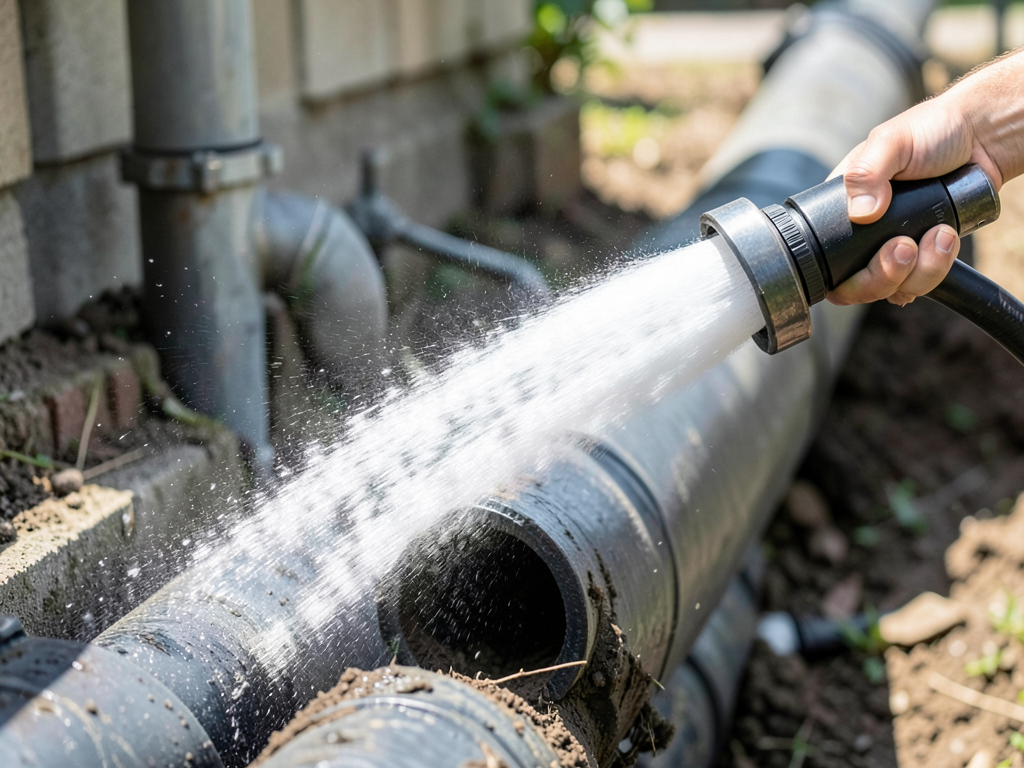
Photo showing high-pressure hydro jetting equipment in operation on a residential street with mature trees overhead.
Commercial Properties and Multi-Unit Buildings
Queen Anne’s commercial properties and multi-unit buildings face additional hydro jetting considerations. Restaurants and multi-family dwellings produce more grease and organic waste, requiring more frequent service. Commercial jetting equipment operates at higher pressures and with larger capacity to handle these increased loads.. Read more about Keeping First Hill Commercial Kitchens Compliant with Proper Grease Trap Maintenance.
Property managers should establish regular jetting schedules based on building age and usage patterns. Buildings over 30 years old with original plumbing benefit from annual jetting, while newer construction might need service every 2-3 years. Keeping maintenance records helps predict when service will be needed.
Emergency response planning is crucial for commercial properties. Having a relationship with a local hydro jetting service ensures quick response when main line clogs threaten business operations. Many Queen Anne businesses schedule regular maintenance during off-peak seasons to prevent emergency calls during busy periods.
Safety and Environmental Considerations
Hydro jetting is environmentally safe when performed by trained professionals. The process uses only water at high pressure, with no chemicals entering the sewer system. Modern jetting equipment includes water recovery systems that filter and recycle water when working in areas where runoff could affect landscaping or storm drains.
Safety protocols protect both technicians and property during jetting operations. Pressure gauges and flow meters ensure correct PSI levels for specific pipe materials. Technicians wear protective equipment and use remote monitoring systems to prevent accidents from hose recoil or unexpected pressure changes.
Homeowners should verify that their service provider carries proper insurance and follows Seattle Public Utilities guidelines for side sewer work. This protects against damage to city infrastructure and ensures compliance with local regulations for work in public right-of-way areas. Seattle Public Utilities regulations.
Photo showing before and after comparison of a main line pipe after hydro jetting, with scale and root debris removed.
Emergency Response and Service Availability
Hydro jetting services in Queen Anne are available 24/7 for emergency main line blockages. When sewage backs up into homes or businesses, quick response prevents water damage and health hazards. Most emergency calls are answered within 60 minutes, with service typically beginning within 2-3 hours of contact.
Emergency service includes immediate blockage assessment, temporary solutions to prevent further damage, and complete jetting once conditions allow. Technicians carry equipment to handle most common blockage types and can often clear lines the same day, even during off-hours or holidays.
Prevention remains the best emergency response. Homes with history of main line issues should have service provider contact information readily available and consider preventative maintenance before heavy root growth seasons in spring and fall.
Frequently Asked Questions
How long does hydro jetting take for a typical Queen Anne home?
Most residential hydro jetting services in Queen Anne take 1-3 hours from arrival to completion. The process includes camera inspection, jetting, and final verification. Homes with difficult access or severe blockages may require additional time.
Will hydro jetting damage my old pipes?
When performed correctly, hydro jetting is safe for all pipe materials including clay and cast iron. Technicians adjust pressure settings based on pipe age and condition. Camera inspection before jetting identifies any pipes too fragile for high-pressure cleaning.
How often should I schedule hydro jetting for preventative maintenance?
Homes with mature trees near sewer lines benefit from jetting every 12-18 months. Properties with history of root intrusion or grease buildup may need service every 6-12 months. Commercial properties often require quarterly maintenance.
What’s the difference between hydro jetting and chemical root killers?
Hydro jetting physically removes roots and buildup immediately, while chemical treatments work over weeks to kill roots gradually. Chemicals don’t remove existing debris and may not reach all areas of the pipe. Jetting provides immediate, complete clearance.
Can I rent hydro jetting equipment and do it myself?
Consumer-grade equipment lacks the power and safety features of professional systems. DIY attempts risk pipe damage, personal injury, and incomplete clearing. Professional technicians have training to select correct pressure levels and handle unexpected situations safely.
What should I do while waiting for emergency hydro jetting service?
Minimize water usage to prevent further backup. Avoid flushing toilets or running sinks. Move valuables from affected areas if backup has occurred. Contact your service provider immediately and provide details about symptoms and when they began.
Does hydro jetting work for commercial kitchen grease traps?
Yes, hydro jetting effectively cleans commercial grease traps and kitchen lines. The high pressure removes hardened grease that traditional cleaning can’t reach. Many restaurants schedule regular jetting to maintain compliance with health department regulations.
What happens to the debris removed during hydro jetting?
Debris is flushed into the main sewer system where it’s carried to treatment facilities. Modern equipment includes filtration systems that capture larger debris when required by local regulations. No harmful chemicals or materials are used in the process.
How can I tell if my main line needs hydro jetting versus snaking?
Recurring clogs within weeks of snaking, multiple slow drains throughout the house, or sewage odors indicate main line issues requiring jetting. Camera inspection can definitively determine whether roots, grease, or scale are causing blockages.
Is hydro jetting covered by homeowners insurance?
Coverage varies by policy. Damage from sudden blockages may be covered, but preventative maintenance typically isn’t. Check your policy or contact your insurance provider. Some policies offer discounts for homes with documented maintenance history.
What pipe materials are compatible with hydro jetting?
All common residential pipe materials are compatible when proper pressure settings are used. This includes clay, cast iron, PVC, and ABS. Older Orangeburg pipe may require special consideration or alternative methods if severely deteriorated.
How do I prepare my home for hydro jetting service?
Clear access to cleanouts or provide keys for entry if you won’t be present. Move vehicles blocking access to yard areas. Note any specific concerns about your plumbing system for the technician. No special preparation is needed inside the home.
Can hydro jetting help with low water pressure issues?
While hydro jetting primarily addresses blockages, removing scale and buildup from pipes can improve water flow. However, low pressure from supply line issues or pressure regulator problems requires different solutions. A camera inspection can identify the actual cause.
What guarantees come with hydro jetting service?
Most services guarantee the work for 30-90 days. This typically covers the specific line cleaned but not new root growth or different blockages. Preventative maintenance plans may offer extended guarantees when service is performed regularly.
How do I choose a qualified hydro jetting service in Queen Anne?
Look for licensed plumbers with specific hydro jetting experience and modern equipment. Check reviews for Queen Anne-specific work. Ask about camera inspection capabilities and whether they carry proper insurance for side sewer work. Local experience with the area’s specific plumbing challenges is valuable.
Ready to Clear Your Main Line?
Don’t let stubborn clogs disrupt your home or business. Queen Anne’s unique plumbing challenges require experienced professionals with the right equipment. Whether you’re dealing with recurring backups or want preventative maintenance, hydro jetting provides the thorough cleaning that traditional methods can’t match.
Call (564) 220-5552 today to schedule your hydro jetting service. Our technicians understand Queen Anne’s specific infrastructure and can provide same-day service for emergencies. Stop the cycle of recurring clogs and protect your property with professional hydro jetting.
Pick up the phone and call (564) 220-5552 before the next storm hits. Queen Anne’s steep grades and mature trees make main line issues worse during wet weather. Don’t wait for a backup to discover your pipes need attention.
For more information about drain cleaning options, visit our Hydro Jetting vs. Snaking comparison page. Learn why pressure washing your pipes provides longer-lasting results than traditional methods.
You may also find this helpful. What to Do When a Pipe Bursts in Your Magnolia Home.
{
“@context”: “https://schema.org”,
“@type”: “BlogPosting”,
“headline”: “Clearing Stubborn Main Line Clogs with Hydro Jetting in Queen Anne”,
“description”: “Expert hydro jetting services for Queen Anne’s historic sewer lines. Clear stubborn clogs caused by tree roots and grease buildup with high-pressure jetting technology.”,
“wordCount”: 2242,
“datePublished”: “2026-02-17T09:35:00.000Z”,
“dateModified”: “2026-02-17T09:35:00.000Z”,
“inLanguage”: “en-US”,
“mainEntityOfPage”: {
“@type”: “WebPage”,
“@id”: “https://horizonplumbingseattle.com”
},
“publisher”: {
“@type”: “LocalBusiness”,
“name”: “Horizon Plumbing Seattle”,
“url”: “https://horizonplumbingseattle.com”
},
“author”: {
“@type”: “Organization”,
“name”: “Horizon Plumbing Seattle”,
“url”: “https://horizonplumbingseattle.com”
},
“image”: {
“@type”: “ImageObject”,
“url”: “https://horizonplumbingseattle.com/wp-content/uploads/2026/03/clearing-stubborn-main-line-clogs-with-hydro-jetti-1.png”
}
}
{
“@context”: “https://schema.org”,
“@type”: “Plumber”,
“name”: “Horizon Plumbing Seattle”,
“url”: “https://horizonplumbingseattle.com”,
“address”: {
“@type”: “PostalAddress”,
“addressLocality”: “Seattle”
},
“areaServed”: {
“@type”: “City”,
“name”: “Seattle”
}
}
{
“@context”: “https://schema.org”,
“@type”: “FAQPage”,
“mainEntity”: [
{
“@type”: “Question”,
“name”: “How long does hydro jetting take for a typical Queen Anne home?”,
“acceptedAnswer”: {
“@type”: “Answer”,
“text”: “Most residential hydro jetting services in Queen Anne take 1-3 hours from arrival to completion. The process includes camera inspection, jetting, and final verification. Homes with difficult access or severe blockages may require additional time.”
}
},
{
“@type”: “Question”,
“name”: “Will hydro jetting damage my old pipes?”,
“acceptedAnswer”: {
“@type”: “Answer”,
“text”: “When performed correctly, hydro jetting is safe for all pipe materials including clay and cast iron. Technicians adjust pressure settings based on pipe age and condition. Camera inspection before jetting identifies any pipes too fragile for high-pressure cleaning.”
}
},
{
“@type”: “Question”,
“name”: “How often should I schedule hydro jetting for preventative maintenance?”,
“acceptedAnswer”: {
“@type”: “Answer”,
“text”: “Homes with mature trees near sewer lines benefit from jetting every 12-18 months. Properties with history of root intrusion or grease buildup may need service every 6-12 months. Commercial properties often require quarterly maintenance.”
}
},
{
“@type”: “Question”,
“name”: “What’s the difference between hydro jetting and chemical root killers?”,
“acceptedAnswer”: {
“@type”: “Answer”,
“text”: “Hydro jetting physically removes roots and buildup immediately, while chemical treatments work over weeks to kill roots gradually. Chemicals don’t remove existing debris and may not reach all areas of the pipe. Jetting provides immediate, complete clearance.”
}
},
{
“@type”: “Question”,
“name”: “Can I rent hydro jetting equipment and do it myself?”,
“acceptedAnswer”: {
“@type”: “Answer”,
“text”: “Consumer-grade equipment lacks the power and safety features of professional systems. DIY attempts risk pipe damage, personal injury, and incomplete clearing. Professional technicians have training to select correct pressure levels and handle unexpected situations safely.”
}
},
{
“@type”: “Question”,
“name”: “What should I do while waiting for emergency hydro jetting service?”,
“acceptedAnswer”: {
“@type”: “Answer”,
“text”: “Minimize water usage to prevent further backup. Avoid flushing toilets or running sinks. Move valuables from affected areas if backup has occurred. Contact your service provider immediately and provide details about symptoms and when they began.”
}
},
{
“@type”: “Question”,
“name”: “Does hydro jetting work for commercial kitchen grease traps?”,
“acceptedAnswer”: {
“@type”: “Answer”,
“text”: “Yes, hydro jetting effectively cleans commercial grease traps and kitchen lines. The high pressure removes hardened grease that traditional cleaning can’t reach. Many restaurants schedule regular jetting to maintain compliance with health department regulations.”
}
},
{
“@type”: “Question”,
“name”: “What happens to the debris removed during hydro jetting?”,
“acceptedAnswer”: {
“@type”: “Answer”,
“text”: “Debris is flushed into the main sewer system where it’s carried to treatment facilities. Modern equipment includes filtration systems that capture larger debris when required by local regulations. No harmful chemicals or materials are used in the process.”
}
},
{
“@type”: “Question”,
“name”: “How can I tell if my main line needs hydro jetting versus snaking?”,
“acceptedAnswer”: {
“@type”: “Answer”,
“text”: “Recurring clogs within weeks of snaking, multiple slow drains throughout the house, or sewage odors indicate main line issues requiring jetting. Camera inspection can definitively determine whether roots, grease, or scale are causing blockages.”
}
},
{
“@type”: “Question”,
“name”: “Is hydro jetting covered by homeowners insurance?”,
“acceptedAnswer”: {
“@type”: “Answer”,
“text”: “Coverage varies by policy. Damage from sudden blockages may be covered, but preventative maintenance typically isn’t. Check your policy or contact your insurance provider. Some policies offer discounts for homes with documented maintenance history.”
}
},
{
“@type”: “Question”,
“name”: “What pipe materials are compatible with hydro jetting?”,
“acceptedAnswer”: {
“@type”: “Answer”,
“text”: “All common residential pipe materials are compatible when proper pressure settings are used. This includes clay, cast iron, PVC, and ABS. Older Orangeburg pipe may require special consideration or alternative methods if severely deteriorated.”
}
},
{
“@type”: “Question”,
“name”: “Can hydro jetting help with low water pressure issues?”,
“acceptedAnswer”: {
“@type”: “Answer”,
“text”: “While hydro jetting primarily addresses blockages, removing scale and buildup from pipes can improve water flow. However, low pressure from supply line issues or pressure regulator problems requires different solutions. A camera inspection can identify the actual cause.”
}
},
{
“@type”: “Question”,
“name”: “What guarantees come with hydro jetting service?”,
“acceptedAnswer”: {
“@type”: “Answer”,
“text”: “Most services guarantee the work for 30-90 days. This typically covers the specific line cleaned but not new root growth or different blockages. Preventative maintenance plans may offer extended guarantees when service is performed regularly.”
}
},
{
“@type”: “Question”,
“name”: “How do I choose a qualified hydro jetting service in Queen Anne?”,
“acceptedAnswer”: {
“@type”: “Answer”,
“text”: “Look for licensed plumbers with specific hydro jetting experience and modern equipment. Check reviews for Queen Anne-specific work. Ask about camera inspection capabilities and whether they carry proper insurance for side sewer work. Local experience with the area’s specific plumbing challenges is valuable.”
}
},
{
“@type”: “Question”,
“name”: “Ready to Clear Your Main Line?”,
“acceptedAnswer”: {
“@type”: “Answer”,
“text”: “Don’t let stubborn clogs disrupt your home or business. Queen Anne’s unique plumbing challenges require experienced professionals with the right equipment. Whether you’re dealing with recurring backups or want preventative maintenance, hydro jetting provides the thorough cleaning that traditional methods can’t match.”
}
}
]
}
{
“@context”: “https://schema.org”,
“@type”: “BreadcrumbList”,
“itemListElement”: [
{
“@type”: “ListItem”,
“position”: 1,
“name”: “Home”,
“item”: “https://horizonplumbingseattle.com”
},
{
“@type”: “ListItem”,
“position”: 2,
“name”: “Blog”,
“item”: “https://horizonplumbingseattle.com/blog”
},
{
“@type”: “ListItem”,
“position”: 3,
“name”: “Clearing Stubborn Main Line Clogs with Hydro Jetting in Queen Anne”
}
]
}
{
“@context”: “https://schema.org”,
“@type”: “Service”,
“serviceType”: “Plumbing”,
“provider”: {
“@type”: “LocalBusiness”,
“name”: “Horizon Plumbing Seattle”,
“url”: “https://horizonplumbingseattle.com”
},
“areaServed”: {
“@type”: “City”,
“name”: “Seattle”
},
“description”: “Expert hydro jetting services for Queen Anne’s historic sewer lines. Clear stubborn clogs caused by tree roots and grease buildup with high-pressure jetting technology.”
}