Trenchless Sewer Repair Options for Historic Capitol Hill Homes
Capitol Hill’s charming historic homes face unique plumbing challenges. Many properties built before 1940 have clay or cast iron sewer lines that have reached the end of their service life. Traditional sewer replacement would destroy century-old landscaping, mature trees, and beautiful gardens that define Capitol Hill’s character.. Read more about The Best Toilet Repair and Replacement Services in Beacon Hill.
Trenchless sewer repair technology offers a solution that preserves both your home’s exterior and its historical integrity. This modern approach repairs or replaces sewer lines without extensive digging, saving your property from months of construction and thousands in restoration costs.. Read more about Sewer Scope Inspections for Home Buyers in Madison Park.
What Makes Capitol Hill Homes Different
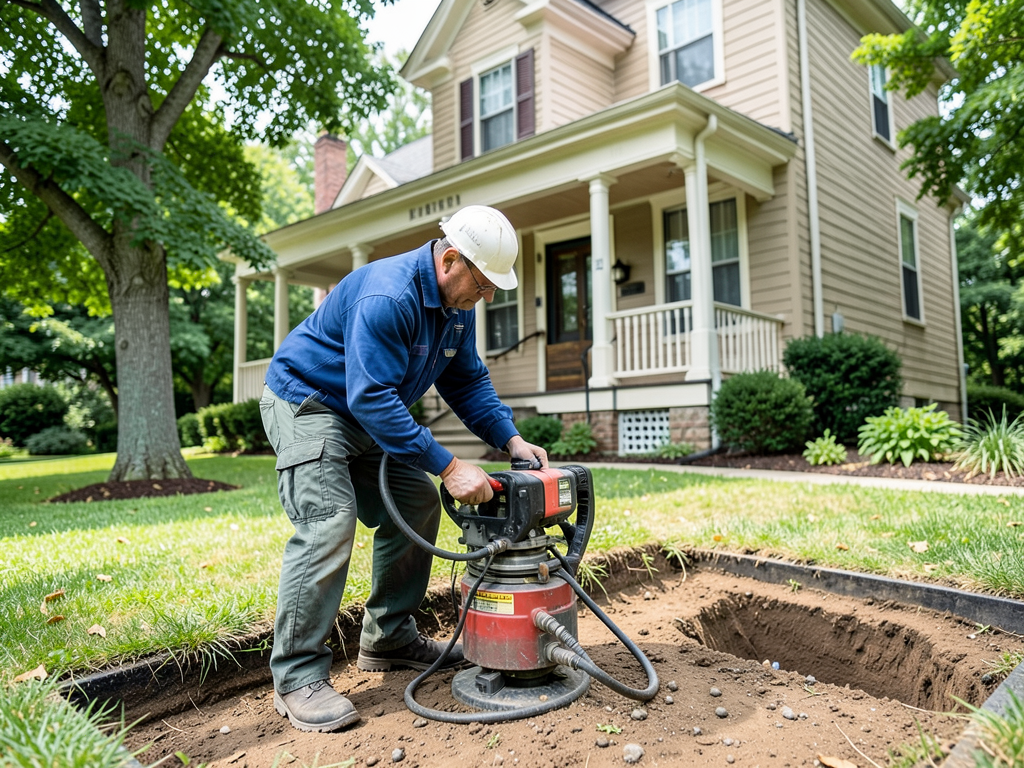
Capitol Hill’s sewer infrastructure presents specific challenges that require specialized knowledge. The neighborhood sits on glacial till with high clay content, creating poor drainage conditions that accelerate pipe deterioration. Many properties have sewer lines running under mature Douglas fir and Bigleaf maple trees whose roots actively seek moisture in aging pipes.
The Seattle Department of Construction and Inspections (SDCI) requires special permits for work in Capitol Hill’s historic districts. Properties near Broadway, 15th Avenue East, and other designated areas must comply with additional preservation guidelines. Understanding these local requirements is essential for any successful sewer repair project. Seattle Side Sewer Permits.
Understanding Trenchless Sewer Technology
Trenchless sewer repair involves repairing or replacing underground pipes without digging long trenches across your property. The process uses existing access points to complete the work, typically through cleanout openings or by creating small access pits at each end of the damaged section.
Two primary methods address different types of sewer problems. Cured-in-Place Pipe (CIPP) lining creates a new pipe inside the existing one, while pipe bursting completely replaces the old pipe by breaking it apart and pulling a new pipe through the space. King County Cross-Connection Control.
CIPP Lining: The No-Dig Solution
CIPP lining works by inserting a flexible liner soaked in epoxy resin into the existing pipe. Hot water or steam then cures the resin, creating a new pipe within the old one. The process typically takes 4-6 hours for most residential lines.
This method works best for pipes with minor to moderate damage. The new liner has a smooth surface that improves flow capacity by up to 30% compared to older clay pipes. The epoxy coating also prevents future root intrusion and resists corrosion.
Seattle’s Public Utilities (SPU) code allows CIPP lining for pipes with less than 25% structural damage. The liner typically lasts 50+ years and comes with warranties covering material defects. However, severe pipe collapse or complete separation at joints requires pipe bursting instead.
Pipe Bursting: Complete Replacement
Pipe bursting replaces damaged pipes by breaking the old pipe apart while simultaneously pulling a new pipe through the space. A bursting head attached to a cable breaks the existing pipe as it moves through, creating room for the new pipe.
This method handles pipes with severe damage, complete collapse, or those needing upsizing for increased flow capacity. The new pipe is typically High-Density Polyethylene (HDPE), which resists root intrusion and chemical corrosion.
Pipe bursting requires slightly more excavation than CIPP lining, usually two small pits at each end of the repair section. The process takes 6-8 hours for most residential jobs. Seattle code permits pipe bursting for any pipe replacement, making it the go-to solution for severely damaged lines.
Seattle’s Side Sewer Permit Process
Every sewer repair in Capitol Hill requires a Seattle Side Sewer Permit from SDCI. The process involves submitting detailed plans showing the repair scope, pipe materials, and how the work affects surrounding properties.
Registered Side Sewer Contractors (RSSC) must pull permits and schedule inspections. The permit process typically takes 3-5 business days. Emergency repairs can receive expedited permits within 24 hours for active sewage backups.
SDCI requires inspections at multiple stages. A pre-construction inspection verifies the existing conditions. During work, inspectors check pipe connections and material installation. A final inspection confirms the repair meets Seattle’s plumbing code before restoring the surface.. Read more about Professional Sump Pump Installation for Shoreline Basements.
King County’s cross-connection control regulations also apply. All repairs must prevent backflow contamination of the public water system. This means proper air gaps and backflow prevention devices where required by Washington Administrative Code (WAC) 246-290.
Common Sewer Problems in Capitol Hill
Root intrusion causes the majority of sewer failures in Capitol Hill. The neighborhood’s mature trees send roots through pipe joints seeking moisture. Clay pipes from the 1920s-1940s often separate at the joints, creating perfect entry points for roots.
Ground movement from Seattle’s wet winters and occasional seismic activity causes pipes to shift and crack. The glacial till soil expands when saturated, putting pressure on underground pipes. This movement often results in bellied pipes where waste collects instead of flowing freely.
Corrosion affects cast iron pipes installed before 1960. The high humidity and occasional saltwater intrusion from Puget Sound accelerate pipe deterioration. Corroded pipes develop rough interior surfaces that catch debris and create recurring clogs.
The Diagnostic Process
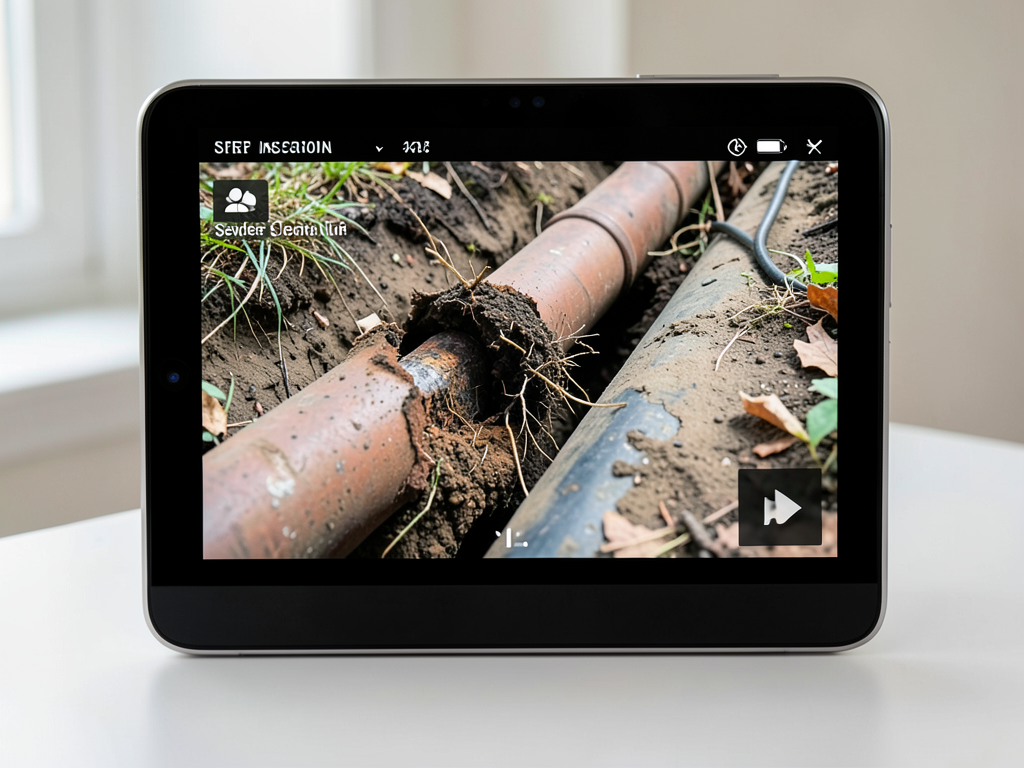
Professional trenchless repair starts with a sewer camera inspection. A waterproof camera on a flexible cable travels through the pipe, sending real-time video to a monitor. Technicians look for cracks, root intrusion, pipe separation, and flow restrictions.
The camera inspection reveals pipe material, diameter, and exact problem locations. Many Capitol Hill homes have mixed pipe materials – clay in some sections, cast iron in others. This information determines which trenchless method will work best.
Before any repair, technicians perform hydro-jetting to clean the pipe. High-pressure water (3,000-4,000 PSI) removes roots, scale, and debris. Clean pipes ensure proper liner adhesion for CIPP or smooth bursting for pipe replacement.
Cost Comparison: Trenchless vs. Traditional
Traditional sewer replacement in Capitol Hill typically costs $150-250 per linear foot. This includes excavation, pipe installation, and basic restoration. However, historic properties often face additional costs of $10,000-30,000 for landscaping, hardscaping, and architectural restoration.
Trenchless repair ranges from $80-120 per linear foot for CIPP lining and $100-150 per linear foot for pipe bursting. The process eliminates restoration costs since minimal digging occurs. Most Capitol Hill jobs complete in one day versus weeks for traditional methods.
Factors affecting trenchless costs include pipe depth, accessibility, and the extent of damage. Lines deeper than 6 feet require specialized equipment. Trees near the repair path may need root pruning, adding to the project cost.
Choosing the Right Method for Your Home
CIPP lining suits Capitol Hill homes with minor to moderate damage and intact pipe structures. The process preserves the existing pipe layout, which is crucial when pipes run under mature trees or established landscaping.
Pipe bursting works when pipes have severe damage, need upsizing, or when the existing layout creates flow problems. This method allows changing the pipe path slightly to avoid problem areas like large tree roots or utility conflicts.
Some Capitol Hill properties benefit from point repairs instead of full line replacement. If damage affects only one section, technicians can replace just that portion using trenchless methods. This approach minimizes cost while solving the immediate problem.
Environmental Considerations
Trenchless methods significantly reduce environmental impact compared to traditional excavation. The process eliminates soil erosion, protects mature trees, and prevents damage to existing drainage patterns that could cause erosion elsewhere on your property.
Seattle’s environmental regulations require proper disposal of removed materials. CIPP liners use epoxy resins that cure completely before installation, preventing chemical leaching. The HDPE pipes used in pipe bursting are recyclable at the end of their service life.
King County’s combined sewer overflow (CSO) control regulations affect repair methods. All work must prevent additional stormwater infiltration into the sewer system. Proper sealing and testing ensure the repaired line meets current environmental standards.
Financing and ROI for Seattle Homeowners
Many Seattle homeowners finance trenchless repairs through home equity loans or specialized home improvement financing. The quick completion time means less disruption to daily life, which many homeowners value highly.
The return on investment for trenchless repair extends beyond immediate problem solving. The 50+ year lifespan of new liners or pipes means decades without sewer concerns. Property values often increase when buyers learn the sewer system is modern and reliable.
Insurance may cover sudden sewer failures but not gradual deterioration. Understanding your policy helps determine out-of-pocket costs. Some homeowners’ associations in Capitol Hill’s multi-unit buildings share sewer repair costs among all owners.
Maintenance After Repair
Proper maintenance extends the life of your repaired sewer line. Annual video inspections catch small problems before they become major issues. For homes with many trees, root treatment every 18-24 months prevents new intrusion.
Avoid planting trees with aggressive root systems near sewer lines. Maple, willow, and elm trees seek moisture and can damage even new pipes. Plant these trees at least 10 feet from any sewer line.
Hydro-jetting every 3-5 years removes scale buildup and maintains optimal flow. This preventive maintenance costs significantly less than emergency repairs and helps identify developing problems early.
Why Choose Local Expertise
Capitol Hill’s unique combination of historic architecture, mature landscaping, and specific soil conditions requires contractors familiar with local conditions. General plumbers may lack experience with Seattle’s permitting process or understanding of how glacial till affects underground work.
Local contractors know which pipe materials perform best in Seattle’s climate. They understand how to navigate SDCI’s historic preservation requirements and can anticipate problems before they occur. This expertise saves time and prevents costly mistakes.
Established Seattle plumbing companies maintain relationships with local inspectors and understand the unwritten rules that can speed up permitting and inspections. This local knowledge translates to faster project completion and fewer headaches for homeowners.
Frequently Asked Questions
How long does trenchless sewer repair take?
Most residential trenchless repairs complete in 4-8 hours. CIPP lining typically takes 4-6 hours, while pipe bursting requires 6-8 hours. The entire process, including permits and inspections, usually finishes within one week.
Is trenchless repair really cheaper than traditional excavation?
Yes, for Capitol Hill homes. While per-foot costs may seem similar, trenchless repair eliminates $10,000-30,000 in restoration costs for landscaping and hardscaping. The one-day completion also means less labor cost and no extended property disruption.
How long will a trenchless repair last?
CIPP liners and HDPE pipes used in trenchless repair typically last 50+ years. The epoxy resin in CIPP creates a jointless pipe that resists root intrusion and corrosion. HDPE pipes resist chemical damage and ground movement better than traditional materials.
Will trenchless repair damage my landscaping?
Minimal damage occurs. The process requires only small access pits at each end of the repair section. Mature trees, shrubs, and garden beds remain undisturbed. This preservation of landscaping is often the primary reason homeowners choose trenchless methods.
What permits are required in Seattle?
A Seattle Side Sewer Permit from SDCI is mandatory. The process includes plan submission, inspections, and final approval. Properties in historic districts may need additional preservation review. Registered Side Sewer Contractors handle all permitting requirements.
Can trenchless repair fix all sewer problems?
Most problems are fixable with trenchless methods. However, pipes with complete collapse or severe structural damage may require excavation in limited areas. A professional camera inspection determines the best approach for each specific situation.
Ready to Protect Your Capitol Hill Home?
Don’t let sewer problems destroy your historic home’s character and landscaping. Trenchless repair offers a modern solution that preserves what makes your Capitol Hill property special while solving immediate plumbing issues.
Our team understands Capitol Hill’s unique challenges – from historic preservation requirements to the specific soil conditions that affect underground work. We handle all permitting, inspections, and restoration to make the process as smooth as possible.
Call (564) 220-5552 today to schedule your camera inspection. We’ll show you exactly what’s happening underground and recommend the best trenchless solution for your specific situation. Don’t wait for a complete failure – proactive repair saves money and protects your property’s value.
Pick up the phone and call (564) 220-5552 before the next storm hits. Seattle’s wet weather can turn minor sewer issues into major emergencies overnight. Our experienced technicians are ready to protect your Capitol Hill home with modern trenchless technology.
You may also find this helpful. How to Stop Yard Flooding with French Drains in the Rainier Valley.
{
“@context”: “https://schema.org”,
“@type”: “BlogPosting”,
“headline”: “Trenchless Sewer Repair Options for Historic Capitol Hill Homes”,
“description”: “Learn about trenchless sewer repair options for Capitol Hill’s historic homes. Preserve your property’s charm while fixing sewer issues without excavation. Call (564) 220-5552.”,
“wordCount”: 1990,
“datePublished”: “2026-02-15T07:58:00.000Z”,
“dateModified”: “2026-02-15T07:58:00.000Z”,
“inLanguage”: “en-US”,
“mainEntityOfPage”: {
“@type”: “WebPage”,
“@id”: “https://horizonplumbingseattle.com”
},
“publisher”: {
“@type”: “LocalBusiness”,
“name”: “Horizon Plumbing Seattle”,
“url”: “https://horizonplumbingseattle.com”
},
“author”: {
“@type”: “Organization”,
“name”: “Horizon Plumbing Seattle”,
“url”: “https://horizonplumbingseattle.com”
},
“image”: {
“@type”: “ImageObject”,
“url”: “https://horizonplumbingseattle.com/wp-content/uploads/2026/03/trenchless-sewer-repair-options-for-historic-capit-1.png”
}
}
{
“@context”: “https://schema.org”,
“@type”: “Plumber”,
“name”: “Horizon Plumbing Seattle”,
“url”: “https://horizonplumbingseattle.com”,
“address”: {
“@type”: “PostalAddress”,
“addressLocality”: “Seattle”
},
“areaServed”: {
“@type”: “City”,
“name”: “Seattle”
}
}
{
“@context”: “https://schema.org”,
“@type”: “FAQPage”,
“mainEntity”: [
{
“@type”: “Question”,
“name”: “How long does trenchless sewer repair take?”,
“acceptedAnswer”: {
“@type”: “Answer”,
“text”: “Most residential trenchless repairs complete in 4-8 hours. CIPP lining typically takes 4-6 hours, while pipe bursting requires 6-8 hours. The entire process, including permits and inspections, usually finishes within one week.”
}
},
{
“@type”: “Question”,
“name”: “Is trenchless repair really cheaper than traditional excavation?”,
“acceptedAnswer”: {
“@type”: “Answer”,
“text”: “Yes, for Capitol Hill homes. While per-foot costs may seem similar, trenchless repair eliminates $10,000-30,000 in restoration costs for landscaping and hardscaping. The one-day completion also means less labor cost and no extended property disruption.”
}
},
{
“@type”: “Question”,
“name”: “How long will a trenchless repair last?”,
“acceptedAnswer”: {
“@type”: “Answer”,
“text”: “CIPP liners and HDPE pipes used in trenchless repair typically last 50+ years. The epoxy resin in CIPP creates a jointless pipe that resists root intrusion and corrosion. HDPE pipes resist chemical damage and ground movement better than traditional materials.”
}
},
{
“@type”: “Question”,
“name”: “Will trenchless repair damage my landscaping?”,
“acceptedAnswer”: {
“@type”: “Answer”,
“text”: “Minimal damage occurs. The process requires only small access pits at each end of the repair section. Mature trees, shrubs, and garden beds remain undisturbed. This preservation of landscaping is often the primary reason homeowners choose trenchless methods.”
}
},
{
“@type”: “Question”,
“name”: “What permits are required in Seattle?”,
“acceptedAnswer”: {
“@type”: “Answer”,
“text”: “A Seattle Side Sewer Permit from SDCI is mandatory. The process includes plan submission, inspections, and final approval. Properties in historic districts may need additional preservation review. Registered Side Sewer Contractors handle all permitting requirements.”
}
},
{
“@type”: “Question”,
“name”: “Can trenchless repair fix all sewer problems?”,
“acceptedAnswer”: {
“@type”: “Answer”,
“text”: “Most problems are fixable with trenchless methods. However, pipes with complete collapse or severe structural damage may require excavation in limited areas. A professional camera inspection determines the best approach for each specific situation.”
}
},
{
“@type”: “Question”,
“name”: “Ready to Protect Your Capitol Hill Home?”,
“acceptedAnswer”: {
“@type”: “Answer”,
“text”: “Don’t let sewer problems destroy your historic home’s character and landscaping. Trenchless repair offers a modern solution that preserves what makes your Capitol Hill property special while solving immediate plumbing issues.”
}
}
]
}
{
“@context”: “https://schema.org”,
“@type”: “BreadcrumbList”,
“itemListElement”: [
{
“@type”: “ListItem”,
“position”: 1,
“name”: “Home”,
“item”: “https://horizonplumbingseattle.com”
},
{
“@type”: “ListItem”,
“position”: 2,
“name”: “Blog”,
“item”: “https://horizonplumbingseattle.com/blog”
},
{
“@type”: “ListItem”,
“position”: 3,
“name”: “Trenchless Sewer Repair Options for Historic Capitol Hill Homes”
}
]
}
{
“@context”: “https://schema.org”,
“@type”: “Service”,
“serviceType”: “Plumbing”,
“provider”: {
“@type”: “LocalBusiness”,
“name”: “Horizon Plumbing Seattle”,
“url”: “https://horizonplumbingseattle.com”
},
“areaServed”: {
“@type”: “City”,
“name”: “Seattle”
},
“description”: “Learn about trenchless sewer repair options for Capitol Hill’s historic homes. Preserve your property’s charm while fixing sewer issues without excavation. Call (564) 220-5552.”
}